Debt changes how you think. It makes every decision feel urgent and impossible at the same time. You avoid opening the mail. You avoid checking your balance. You avoid the conversation with your partner about money because you already know how it will end. The shame becomes its own weight, heavier than the debt itself.
But debt is not a character flaw. It is a math problem wrapped in a behavior problem. And both parts are solvable. The books below gave me something I had lost: a clear plan and the belief that I could actually follow it.
Book One: From Debt to Wealth by Owen Pierce
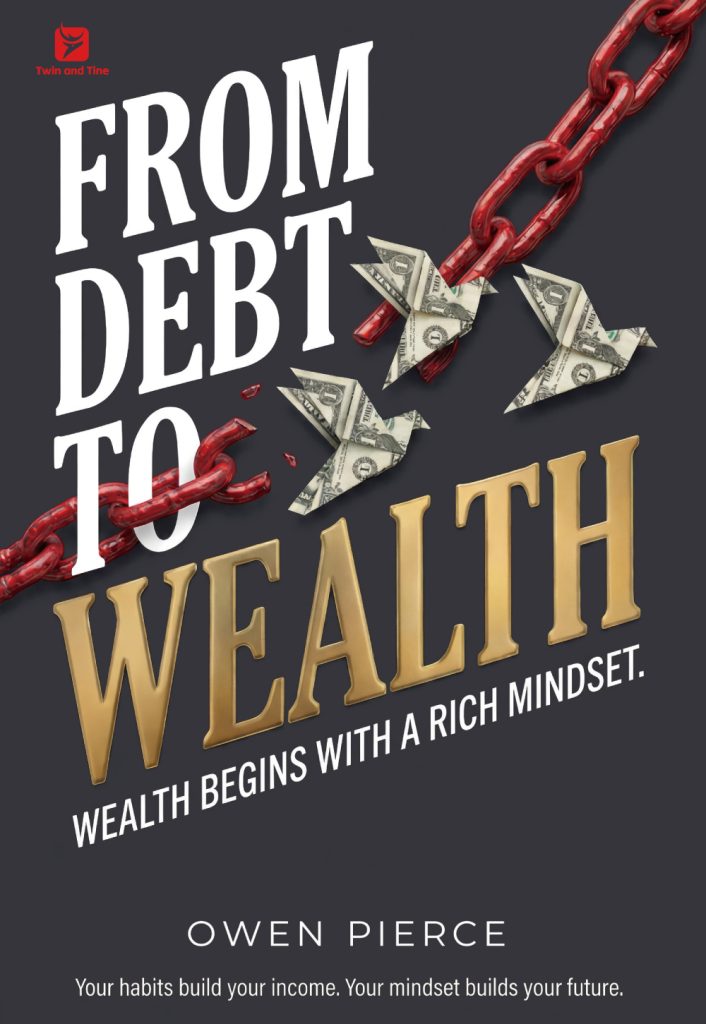
This book was the first one that did not make me feel like a failure. It starts with a hard truth: wealth is a compensation for cognition, not a reward for diligence. That sentence reframed everything. I had been working hard and staying broke, and I finally understood why.
Pierce does not waste time on shame. He explains why the paycheck cycle keeps you trapped, why luxury is often a display of money you do not have, and why a salary is a starting point, not a destination. Then he gives you a practical path out. The chapters on eliminating bad debt, building savings, and stopping the paycheck-to-paycheck cycle are specific enough to act on today.
What I love is that it treats debt as a problem to solve, not a moral failing to atone for. That shift alone gave me the energy to actually start.
Book Two: The Simple Path to Wealth by JL Collins
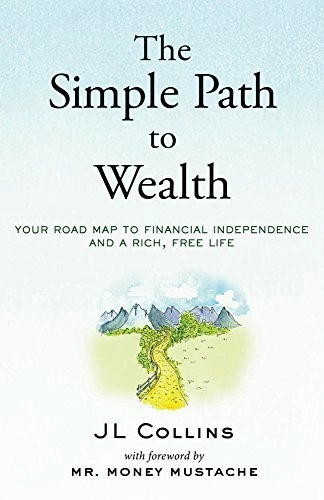
Collins wrote this for his daughter, and that is exactly what it feels like. A patient, plainspoken guide to getting out of debt and building wealth without complicated strategies or jargon.
His advice is refreshingly simple. Avoid debt. Spend less than you earn. Invest in low-cost index funds. Stay the course. That is basically it. The book does not promise overnight riches. It promises that if you follow the boring path, you will end up in a place most people never reach.
What I appreciated most is his chapter on debt. He calls it the enemy of wealth, not because it is morally wrong, but because it steals your future. Every dollar going toward interest is a dollar not working for you. That framing helped me stop negotiating with myself and start attacking the debt.
Book Three: The Millionaire Next Door by Thomas J. Stanley and William D. Danko
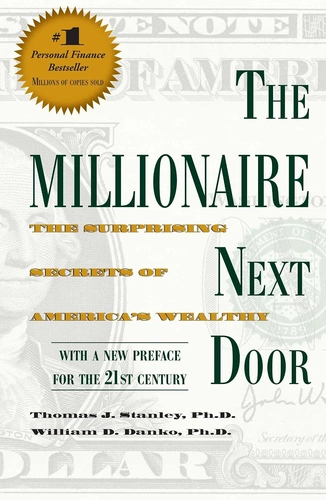
This book was a reality check. Stanley and Danko studied actual millionaires, not the ones you see on Instagram. What they found was the opposite of what most people expect.
Most millionaires are not flashy. They drive used cars. They live in modest houses. They do not look rich. The people who look rich are often drowning in debt to maintain the appearance. That distinction changed how I saw my own spending. I had been trying to look successful instead of becoming financially free.
The book is data-heavy but readable. It made me realize that wealth is quiet, and that the people around me who seemed to have it all might be the ones most trapped. That reframe made it easier to stop comparing and start building.
Why Start With the First One
The Simple Path to Wealth gives you a strategy. The Millionaire Next Door gives you perspective. Both are valuable. But both assume you are ready to think long-term.
From Debt to Wealth meets you where you are right now, in the middle of the mess. It does not ask you to be calm or optimistic. It just explains why you are stuck and gives you a clear first step. That is what you need when you are in debt. Not a lecture. Not a formula. A way out.
It costs less than one minimum payment. The cost of staying stuck is another year of the same fear.