It was 5:47 PM when I realized I had not stood up from my desk in four hours. My back ached. My eyes burned. And despite having finished work seventeen minutes earlier, I was still staring at my laptop, answering one last email that absolutely could have waited until morning.
I looked around my apartment. Dishes in the sink. Laundry piled on a chair. A half empty water bottle from yesterday. And somewhere in the back of my mind, a voice whispered: you wanted to exercise today. You wanted to call a friend. You wanted to do something that felt like living.
That was the night I started asking myself the question that changed everything. How do you manage to have a good work life balance when work and life happen in the same ten square feet?
Quick Things to Try Today:
- Walk around the block before you sit down at your desk.
- Set a hard stop alarm for when work ends.
- Do one small chore during your lunch break.
- Text one friend and make a plan, even if it is two weeks out.
- Put your phone in another room for thirty minutes after work.
- Do one thing that matters more than chores.
Why Working From Home Makes Work Life Balance So Hard
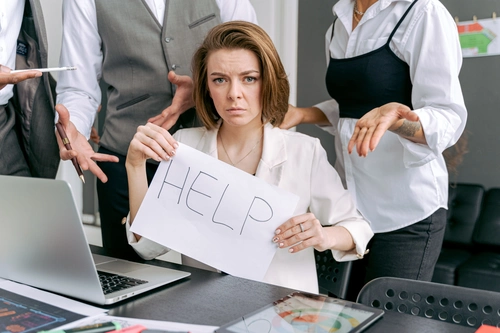
The office never closes. There is no commute to signal to your brain that work is done. No elevator ride. No walk to the parking lot. You just close your laptop and suddenly you are supposed to be a person again.
But your brain does not know that.
I remember sitting on my couch one evening, still in my work clothes, still thinking about a project deadline. My partner asked what I wanted for dinner and I snapped at him. Not because of the question. Because I had not actually left work yet. I was physically home, but mentally still at my desk.
Transitions matter more than we think. A commute, even a bad one, gives your brain time to shift gears. Without it, everything blurs together. Work bleeds into evening. Evening bleeds into bedtime. And suddenly you are lying awake at midnight wondering where the day went.
The exhaustion you feel at 5:30 is not just physical. It is decision fatigue. You have been making choices all day, and now you have to figure out dinner, dishes, exercise, socializing, hobbies, and somehow rest. No wonder you feel overwhelmed.
How Do You Actually Create Work Life Balance When You Work From Home?
The answer is not time blocking. I tried that. I made color coded calendars and downloaded productivity apps and set alarms for everything. I felt like a robot. Every minute was scheduled. Even the fun stuff felt like a task.
Here is what actually worked for me.
Step 1: Create a fake commute.
When I log off at 5:30, I immediately put on my sneakers and walk around the block. No phone. No podcast. Just ten minutes of moving my body and letting my brain catch up to the fact that work is over.
The point is not the activity. It is the signal. Work is done. You are now a person with a life.
Step 2: Pick one thing that matters more than chores.
I used to think I had to finish everything before I could relax. Dishes done. Laundry folded. Floors swept. Only then could I have fun. But there was always more to do. So I never had fun.
Now I ask myself what the one thing I actually want to do today is. Exercise? Call a friend? Read a chapter of a book? That thing comes first. Chores can wait. They always wait. And somehow the world does not end.
Step 3: Combine things when you can.
Can you walk with a friend instead of just texting them? Can you listen to an audiobook while cooking? Can you do a fifteen minute yoga video while your coffee brews?
A weekly walking group with two neighbors covers exercise, social time, and fresh air in one block. That counts as three things done at once.
Step 4: Accept that balance is not a daily thing.
Some weeks are heavy on work. Some weeks are heavy on life. That is normal. The goal is not perfect equilibrium every single day. The goal is not losing yourself completely in one or the other.
I stopped measuring my balance by the day. I measure it by the month. Did I see friends? Did I move my body? Did I do something that made me feel like me? If yes, I am doing okay.

The Two Minute Transition
Here is how it works. Before I close my laptop, I take two minutes to write down three things.
- What I accomplished today.
- What is still open.
- What my first task will be tomorrow morning.
Then I close the laptop. That is it.
Why does this work? Because my brain stops trying to hold everything. The open loops are on paper now. I do not need to keep thinking about them. I can actually be present with my evening.
The first week I tried this, I noticed something strange. I felt guilty. Like I was cheating. Should I not be doing more? Checking one more email? Finishing one more thing?
But then I realized something. The work will still be there tomorrow. It always is. And I only get this one evening.
What About Social Life When You Are Exhausted
I have one friend who lives twenty minutes away. We used to say we should hang out soon for six months straight. Finally, we picked a recurring day. Every other Thursday. That is it. No planning. No coordinating. Just Thursdays.
Now we do not have to think about it. It is on the calendar. It is a ritual. And honestly, I need it more than I need clean floors.
If you do not have people nearby, look for activities that involve other humans. A class. A club. A volunteer shift. Something that gets you out of the house and into the world.
I know it feels like one more thing on your plate. But isolation makes everything harder. Connection makes the grind feel less grindy.
FAQ
Q: How do you manage to have a good work life balance when you work from home?
The biggest shift is creating clear transitions between work and personal time. A short walk, a change of clothes, or a closing ritual can signal to your brain that work is done. Without those cues, the day blurs together and you never feel off the clock.
Q: Is it possible to have a good work life balance in your twenties?
Yes, but it requires being intentional. Your twenties can feel like a grind, especially early in your career. The key is protecting small pockets of time for yourself, even if it is just thirty minutes a day. Those pockets add up.
Q: What if my job does not respect work life balance?
That is a harder situation. Some people find they have to set boundaries anyway, like not answering messages after a certain hour. If the culture is toxic, it may be worth evaluating whether the job is sustainable long term. Your health matters more than any position.
Q: How do you have good work life balance with household responsibilities?
Combine tasks when possible. Listen to a podcast while cooking. Do a ten minute tidy before bed. Lower your standards for perfect. The dishes do not need to be done before you can rest. Sometimes rest comes first.
Q: What if I feel guilty when I am not working?
That guilt is a learned response, not a moral truth. You were taught that rest must be earned. Name the guilt. Then rest anyway. The guilt fades with repetition. It is a sign you are unlearning something, not a sign you are doing something wrong.
Q: How long does it take to feel balanced?
There is no finish line. Balance is a practice, not a destination. Progress looks like catching yourself sooner when work starts bleeding into life. You will still have bad weeks. They just will not own the whole month.
One Last Thing
That night, after I finally closed my laptop and walked around the block, I came home and did something strange. I sat on my couch and did nothing. No phone. No TV. Just sat there.
And for the first time in weeks, I did not feel guilty about it.
The work was still there. The dishes were still there. But so was I. And that felt like enough.
References: