Your problem is not that you are bad with money. Your problem is that you keep reading the wrong kind of book for where you are right now.
There are two types of personal finance books. Money management books are for people who are still getting their footing—paying off debt, stopping the paycheck cycle. Investing books are for people who have already done that and are ready to grow their money. They are not interchangeable. Starting with the wrong one will make you feel like you are failing when you are not.
Here is what each type actually offers—and which one you need right now.
“From Debt to Wealth” by Owen Pierce
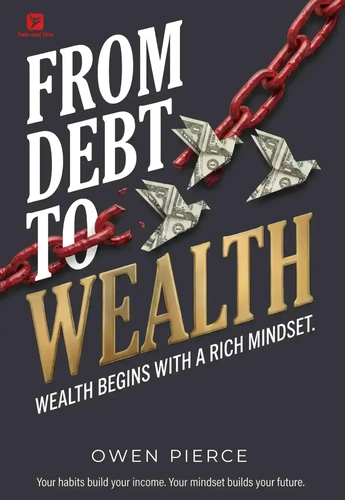
Money management books solve the problems that come before investing. They are for people who need to stop the bleeding. They address debt, cash flow, habits, and the psychological patterns that keep people stuck.
From Debt to Wealth is a money management book. It does not assume you have money to invest. It assumes you are stuck. You have debt. You are living paycheck to paycheck. You are tired of the cycle.
Pierce starts with a question most investing books avoid: why does your income never seem to be enough? The answer is not that you are bad with money. It is that you have been playing by rules that were never designed to make you wealthy. You work harder, you earn a little more, but your expenses grow right along with it. You buy things to feel better and end up deeper in the hole.
The book gives you a complete reset. How to break the paycheck-to-paycheck cycle. How to eliminate bad debt without feeling deprived. How to build savings when you have never been able to keep them. It does not tell you to “just invest more.” It tells you to stop the bleeding first.
What makes this a money management book is the focus on behavior, habits, and foundation. It is about getting your financial life stable before you try to build anything on top of it.
If you are still figuring out the basics, this is where you start. Investing can wait. Getting to solid ground cannot.
“I Will Teach You to Be Rich” by Ramit Sethi
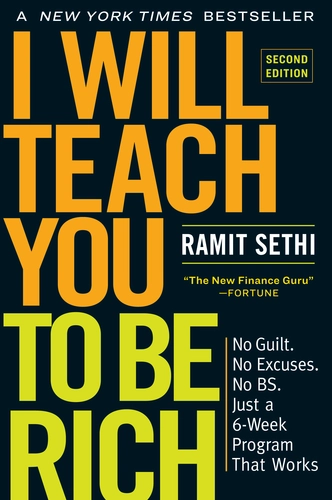
Investing books solve a different problem. They assume you have already figured out the basics. You are out of debt. You have some savings. You have money left over at the end of the month. Now you need to know what to do with it.
I Will Teach You to Be Rich is not just an investing book. It is a complete personal finance system. Sethi gives you a six-week plan for automating your finances, managing credit cards, and investing without becoming an expert.
The core idea is simple: set up automatic transfers so your savings and investments happen without you having to think about them. You do not need to be disciplined every day. You just need to set up the system once.
Sethi covers credit cards, banking, budgeting, and investing in plain, sometimes blunt language. He does not care about your latte habit. He cares about the big wins: lowering fixed costs, automating savings, and investing early. The book is designed for people who have some income and need a system to direct it.
The book does not waste time convincing you to save. It assumes you already know you should. It focuses on the mechanics: how to set it up, how to make it automatic, how to stop thinking about money every day.
If you are out of debt and have savings, this book gives you a system to make your money work without constant effort.
Why The Order Matters
Here is the problem with reading these books in the wrong order.
If you are in debt and you pick up Sethi’s book, you will not get what you need. You will read about automating savings and investing, but you will not have any money to put into them. You will feel like you are failing at something that was never designed for your situation.
If you have already gotten out of debt and built savings,Pierce’s money management book will feel too basic. You will want to know what to do with the money you now have. You do not need help stopping the cycle. You need help building on the foundation you already created.
Sethi is for the person who has money to invest and wants a clear, simple system. Pierce is for the person who has not reached that point yet and needs a path to get there.
The Same Person, Two Different Stages
Imagine someone who has read Sethi and automated their savings. They are building wealth. They are on the right track.
Now imagine someone who is still in debt. They try to read Sethi and get frustrated because nothing applies to them. They think investing is not for people like them.
The problem is not Sethi’s book. The problem is that they are not at the stage where investing advice is useful. They need Pierce first. They need to get out of debt, stop the cycle, and build a foundation. Then Sethi will make sense.
You do not learn to invest before you learn to manage money. You do not put money in the market while you are still bleeding debt. The order matters.
If you are still in debt, if you are living paycheck to paycheck, if you have not built a savings buffer, start with money management. Pierce will get you out of the cycle. He will show you how to stop the bleeding and build solid ground.
If you are out of debt and have savings, start with investing. Sethi will give you a clear, simple system to make your money grow.
If you are somewhere in between, start with Pierce. Get to solid ground first. Then you can build on top of it.
You are not bad with money. You may just be reading the wrong book for where you are right now.