There was a time when my default response to almost any request was “yes.” Extra work? Yes. A favor I didn’t have time for? Yes. Plans I didn’t want to attend? Yes. I thought I was being nice. What I was actually being was invisible. People kept asking because they knew I wouldn’t say no. And I kept resenting them even though I was the one who kept saying yes.
It took me a long time to realize that being assertive isn’t about being aggressive. It’s about being clear, direct, and respectful, both to others and to yourself. These three books helped me get there.
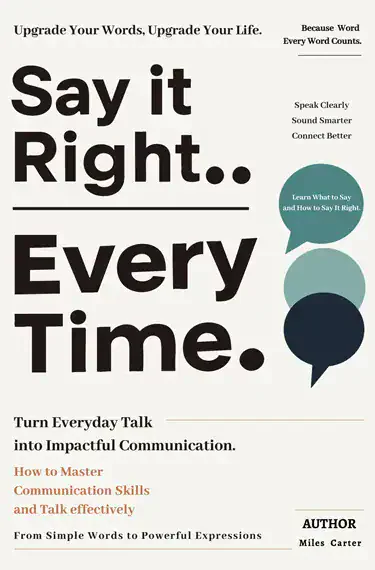
1. Say It Right Every Time by Miles Carter
This book is a practical communication guide focused on daily life and workplace scenarios. The section on setting boundaries was the one that hit me hardest. It doesn’t just tell you to set boundaries. It shows you the difference between sounding apologetic versus sounding clear, and gives you exact scripts for both.
One comparison that stuck with me: the difference between “I’m sorry, but I can’t” and “I can’t do that, here’s what I can do instead.” The first one makes you sound guilty. The second one makes you sound capable. I started using that shift in my work conversations, especially when I was at capacity. People stopped pushing back because I wasn’t apologizing for my limits. I was just stating them.
Another chapter covers how to stand your ground when someone pushes after you’ve already said no. The book gives you language that repeats your position without getting dragged into an argument. I used it when a friend kept asking me to help with something I didn’t have time for. Instead of making up excuses, I just said “I’ve already told you I can’t, I need to stick with that.” Simple. Clean. It worked.
The book also includes specific scripts for workplace situations where you need to assert yourself without sounding difficult. Asking for what you need. Refusing extra work. Giving feedback that’s honest but not harsh. This book didn’t make me more talkative. It gave me the words to be firm without being defensive.
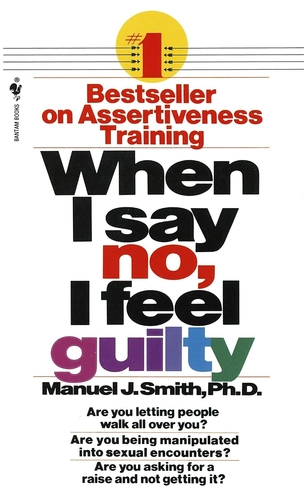
2. When I Say No, I Feel Guilty by Manuel J. Smith
This is the classic book on assertiveness training. Smith introduces techniques like the “broken record” (repeating your position calmly) and “fogging” (agreeing with criticism without accepting blame). What I found valuable wasn’t just the techniques. It was the permission to prioritize my own needs.
The book also helped me understand where my guilt came from. I’d been conditioned to put everyone else first. Learning to say no without guilt wasn’t selfish. It was survival.
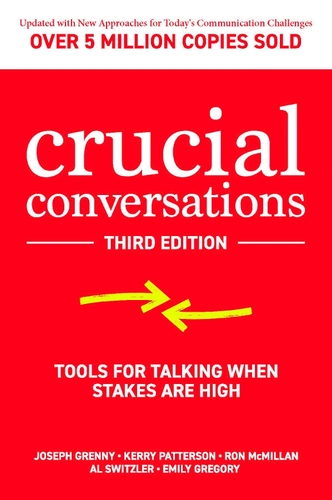
3. Crucial Conversations by Patterson, Grenny, McMillan, and Switzler
This book teaches you how to stay in dialogue when emotions run high and opinions differ. Being assertive in a calm conversation is one thing. Being assertive when someone is yelling at you or stonewalling you is something else entirely. This book gave me a framework for those moments.
I used the “start with facts” approach in a tense conversation with a partner. Instead of saying “you never listen,” I said “when I bring up concerns, you check your phone within two minutes.” It changed the whole dynamic. The facts were neutral. The conversation stayed productive.
One last thought
Assertiveness isn’t about winning. It’s about being heard and holding your ground while still respecting others. If you’re tired of being overlooked or taken advantage of, start with Say It Right…Every Time. It gave me actual words to use when I used to freeze.