You leave a conversation and immediately know you said the wrong thing. Or you don’t know what you said wrong, only that something shifted. The other person went quiet, or their smile tightened, or they found a reason to end the conversation earlier than planned.
Interpersonal skills aren’t about being charming. They’re about noticing what’s happening in the space between people, and responding in a way that makes connection possible. Some people seem to do it naturally. Most of us need help.
The books below are the ones that actually deliver that help.
Book 1: How to Read Someone’s Mind by Miles Carter
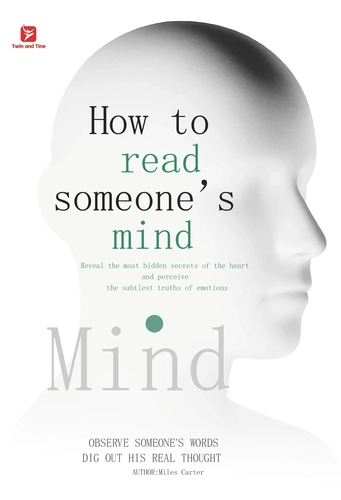
Interpersonal skills start with observation.
Most people focus on what to say. They rehearse their words, plan their questions, and then miss everything happening in front of them. The other person’s posture. The shift in their tone. The micro-expression that flashes across their face before they respond.
This book teaches you to read those signals. A genuine smile reaches the eyes. A forced one stops at the mouth. Someone leaning in is engaged. Someone whose feet point toward the exit is already gone, no matter what they’re saying.
Once you can see what people are actually communicating, your responses change automatically. You stop talking over discomfort. You notice interest before it fades. You catch the moment a conversation needs to shift.
Interpersonal skills are built on this foundation. Without it, you’re just guessing.
Book 2: How to Win Friends and Influence People by Dale Carnegie
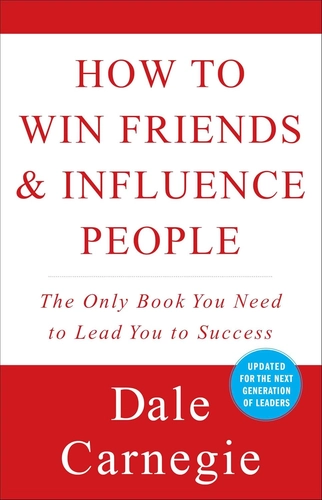
This book has sold over 30 million copies, and it remains the most practical guide to building relationships ever written.
Carnegie’s principles are simple. Don’t criticize, condemn, or complain. Become genuinely interested in other people. Remember that a person’s name is the sweetest sound in any language. Be a good listener. Talk in terms of the other person’s interests. Make the other person feel important, and do it sincerely.
You’ve probably heard these before. But reading them in context, with examples and stories, makes them stick. The book isn’t about manipulation. It’s about treating people as though they matter, which turns out to be the most effective interpersonal strategy there is.
Book 3: Crucial Conversations by Kerry Patterson, Joseph Grenny, Ron McMillan, and Al Switzler
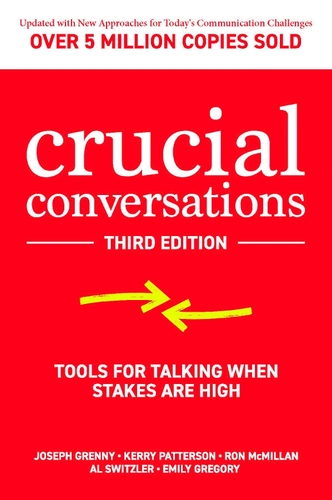
Some conversations matter more than others. And those are exactly the ones people handle worst.
This book focuses on high-stakes discussions where opinions differ and emotions run strong. The kind that happen at work, in families, and in every relationship where something important is at stake. The authors identify why these conversations go wrong and provide a framework for keeping them on track.
You’ll learn how to create safety so people don’t shut down, how to separate facts from stories, and how to speak honestly without triggering defensiveness. The skills are specific and immediately usable.
Where This Leaves You
Interpersonal skills aren’t a personality trait. They’re a set of abilities you can build. How to Win Friends shows you the principles that never change. Crucial Conversations gives you the tools for the moments that matter most.
But none of it works if you can’t see what’s happening in front of you. How to Read Someone’s Mind teaches you that foundational skill. Once you can read people accurately, everything else becomes easier.
The signals are always there. Learning to see them is the first step.