I used to trust what people said. If someone told me they were fine, I believed them. If they said they’d help, I took it at face value. Then I’d be confused when their actions didn’t match. Someone who said they were fine would snap at me an hour later. Someone who promised to help would disappear when I followed up.
It took me a long time to realize I was only listening to half the conversation. People communicate with their bodies, their tone, their timing, and their patterns—often more honestly than with their words. These three books helped me start hearing what I’d been missing.
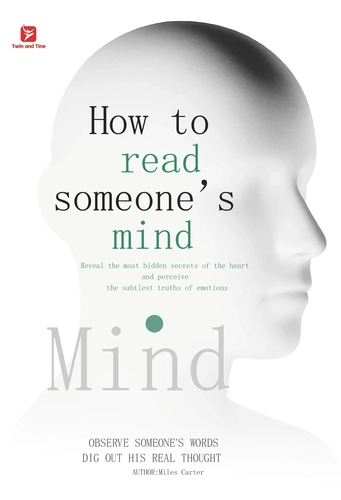
1. How to Read Someone’s Mind by Miles Carter
This book is a practical guide to decoding nonverbal communication. It covers facial expressions, body language, eye contact, vocal tone, posture, and movement patterns. What made it valuable for me wasn’t just the individual signals, but how to read them together. A single gesture doesn’t tell you much. But when you see a cluster of signals, you start seeing the full picture.
One thing I started noticing was how people’s words and bodies often contradict each other. A colleague would say “I’m open to feedback” while crossing their arms and leaning back. Their words said yes. Their body said no. I learned to trust the body. Another thing: the book explains that people reveal themselves through repeated patterns, not isolated moments. I started paying attention to how people treated others when they had nothing to gain. That told me more than any direct conversation ever could.
I used to think reading people meant guessing their thoughts. This book taught me it’s about observation and pattern recognition. It helped me stop overanalyzing and start paying attention. And that shift made social interactions feel less like a mystery and more like a skill I could develop.
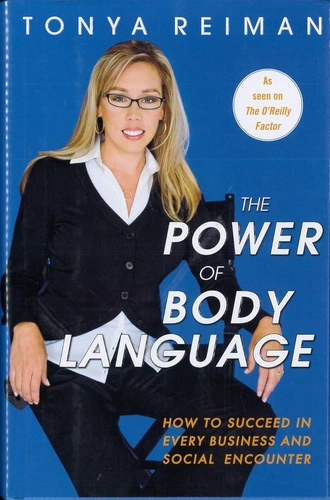
2. The Power of Body Language by Tonya Reiman
Reiman focuses on how to read body language in everyday situations, from job interviews to dates. What I found useful was her breakdown of “baseline behavior.” You can’t interpret someone’s signals until you know what’s normal for them. Some people fidget. Some people avoid eye contact. Those aren’t necessarily signs of deception. They’re just habits. Once you know someone’s baseline, you can spot when they deviate from it—that’s where the real information is.
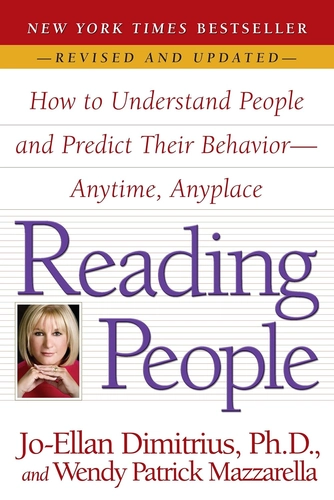
3. Reading People by Jo-Ellan Dimitrius and Mark Mazzarella
Dimitrius is a jury consultant who has spent decades reading people in high-stakes settings. This book covers everything from physical appearance to communication style to decision-making patterns. What I took away was how to read someone’s values through their environment. Their space, their choices, how they spend their time and money. Those reveal more about a person than any interview ever could.
One last thought
Reading others isn’t a superpower. It’s a skill you build through attention. Most people miss the signals because they’re too busy thinking about what to say next. If you want to start noticing what you’ve been missing, start with How to Read Someone’s Mind. It gives you specific things to watch for starting tomorrow.