I thought I was good at managing conflict until I got promoted. Suddenly I was dealing with stakeholders who outranked me, peers who saw me as competition, and executives who gave vague directives and blamed me when things went wrong. I couldn’t just give feedback like I did with my team. The power dynamics were different. The conversations were higher stakes. And I had no training for any of it.
These three books gave me a framework for navigating management-level conflict.
1. Say It Right…Every Time by Miles Carter
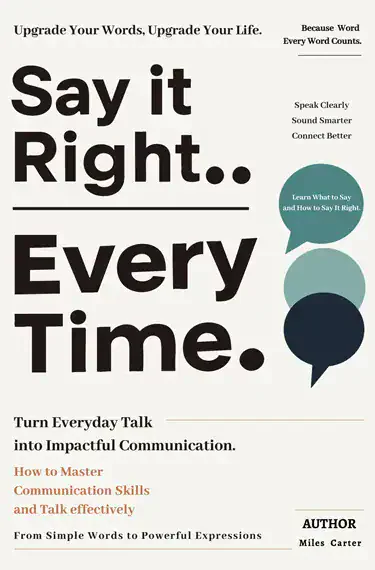
This book is a practical communication guide covering workplace scenarios including difficult conversations with colleagues at all levels. One section that helped me directly was about how to push back on a decision without sounding like you’re defying authority. I used the phrasing structure from the book when an executive asked me to do something I knew would hurt the project. Instead of saying “I disagree,” I said “I want to make sure I understand the full picture before we move forward. Can we talk through the timeline?” It landed differently.
Another part covers how to manage disagreements with peers. The book explains that when you’re on the same level, direct confrontation rarely works. It suggests a different approach. State the shared goal first, then raise the concern. I tried this with a peer who kept undermining my team’s resources. Instead of saying “you’re making my job harder,” I said “we’re both accountable to the same quarterly targets. I need you to help me understand how we’re supposed to meet them with the current resource split.” It made the conversation less personal and more strategic.
There’s also material on how to respond when you’re being challenged. As a manager, I’d sometimes get visibly defensive. The book gave me simple language to slow things down: “Help me understand your thinking on this.” That sentence bought time and showed I was listening.
2. The Five Dysfunctions of a Team by Patrick Lencioni
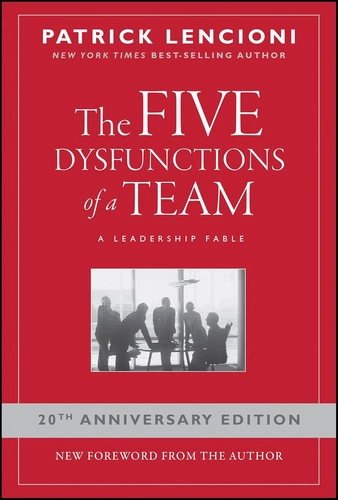
This book is a fable about a leadership team that can’t get anything done. The core insight: management conflict often isn’t about personalities. It’s about trust. When leaders don’t trust each other, they avoid real debate. Then they fake alignment. Then they lose accountability. Then they miss results.
I recognized my own team in the story. We were always polite in meetings and then complained afterwards. Reading this helped me see that the conflict wasn’t the problem. The absence of honest conflict was the problem. We started having direct conversations about how we wanted to disagree with each other. That changed the dynamic more than any one-on-one conversation ever did.
3. Difficult Conversations by Douglas Stone, Bruce Patton, and Sheila Heen
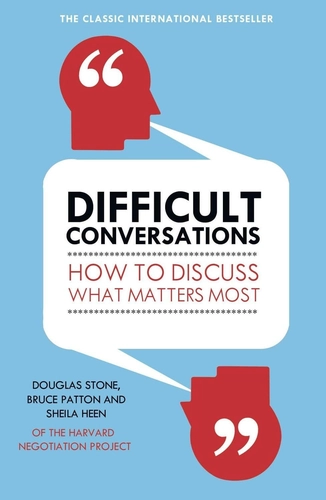
This book breaks down what actually happens in tough conversations. It argues that every difficult conversation is actually three conversations: the “what happened” conversation, the “feelings” conversation, and the “identity” conversation.
When I was navigating a conflict with a peer, I realized I was only focused on the first layer. I was arguing about what happened while she was in the feelings layer feeling undervalued. Understanding that mismatch helped me change my approach.
One last thought
Management conflict isn’t about winning. It’s about maintaining relationships while solving real problems. If you’re leading a team and feeling unprepared for the tough conversations, start with Say It Right…Every Time. It gave me language I could use in real meetings, not just theory.