I was sitting across from a friend at a coffee shop when I realized something was wrong. He was saying all the right things. “Everything’s fine.” “Work is great.” But his arms were crossed tight across his chest. His foot tapped against the chair leg. He kept glancing toward the door. His words said one thing. His body screamed another. That was the moment I understood: body language how to read others thoughts isn’t just a party trick. It’s a skill that changes how you see every conversation.
Quick Body Language Signals Today
If you want to start reading people better, watch for these:
- Watch where their feet point. They rarely lie.
- Notice if a smile reaches the eyes. Real warmth lives there.
- Look for self-soothing touches. Anxiety shows up on the neck and face.
- Spot the mismatch. When words and body disagree, trust the body.
- Watch for changes in baseline. The shift matters more than the signal.
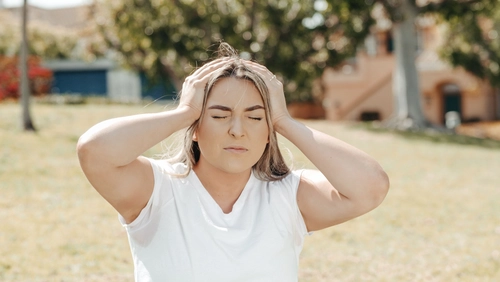
Why Do People Say One Thing While Their Body Says Another?
Most people practice controlling their words. They spend years learning to say the right thing at the right time. But the body has no editor. No filter. No pause button. The feet shift toward the exit before the brain decides it’s time to leave. The hand touches the neck before the mouth forms the words “I’m uncomfortable.” This isn’t deception. It’s human wiring. The limbic system reacts faster than the prefrontal cortex. By the time you’ve crafted a polite answer, your body has already broadcast the truth a dozen different ways.
I learned this the hard way. I used to take people at their word. If someone said they were happy, I believed them. But I kept feeling this nagging sense that something was off. The conversation felt strained. The energy didn’t match the words. Only later did I find out they were dealing with something heavy. Or they disagreed with me entirely. Or they were just waiting for an excuse to leave. Now I pay attention to what isn’t being said. And honestly? It’s changed everything.
Body Language How to Read Others Thoughts: The 7 Signals I Watch First
After years of paying attention, I’ve narrowed it down. Not to a hundred signals. Not to a complex system. Just seven. These are the ones that show up again and again, across different people, in different situations. They’re not foolproof. Nothing is. But they give you a starting point.
1. Feet Tell the Real Story
This sounds strange. Who looks at feet? But it’s the most honest signal I’ve found. People control their facial expressions. They manage their hand gestures. But feet? Nobody thinks about their feet. If someone’s torso faces you but their feet aim toward the door, they want to leave. If their feet point toward a specific person in a group, that’s who they’re most connected to. I watched this at a party once. A woman was talking to one group. Laughing. Nodding. But her feet pointed straight at someone across the room. Guess where she ended up ten minutes later.
2. The Real Smile Uses Different Muscles
A genuine smile involves the eyes. You see crinkles at the corners. The cheeks lift. A fake smile only moves the mouth. The eyes stay flat. I tested this on myself in a mirror once. Try it. Smile without thinking about your eyes. Then think of something that genuinely makes you happy. The difference is obvious. Now I notice it everywhere. The tight, polite smile that doesn’t touch the eyes. It’s not malicious. Just… armor.
3. That Split-Second Sneer
Contempt shows up as a quick, one-sided mouth twitch. A half-smirk. It’s gone in a quarter second. But it’s one of the most reliable signs that someone feels superior or disagrees strongly. Once you start seeing it, you can’t unsee it. It appears in meetings. At dinner tables. During casual conversations. The person might never say a critical word. The expression already did.
4. Self-Soothing When the Topic Hits a Nerve
When people feel anxious, they comfort themselves without knowing it. Touching the neck. Rubbing the arm. Playing with jewelry. Touching the face. An increase in these behaviors during a specific topic usually means discomfort. Maybe they’re lying. Maybe they’re nervous. Maybe they’re just stressed. The signal doesn’t tell you why. It just tells you: something is going on here.
5. Barriers That Weren’t There Before
Arms crossed. Hands clasped in front of the body. A slight turn away. These blocking behaviors create psychological distance. They often appear when someone feels defensive or closed off. Important note: some people always cross their arms. The key is to watch for changes. If they were open and relaxed and suddenly close up, that’s the signal. Not the position itself. The shift.
6. Eye Contact Tells You Different Things Than You Think
People assume avoiding eye contact means lying. It doesn’t always. Some people look away to think. Or because they’re shy. What I watch for instead is the pattern. Sustained eye contact while speaking usually signals confidence in what’s being said. Rapid blinking can indicate stress or high cognitive load. Eyes that suddenly scan the room might mean disengagement. It’s about the context. Always the context.
7. When Words and Body Disagree, Words Lose
Someone says “I’m totally fine” while shaking their head slightly. Someone says “I don’t know” while raising their eyebrows and looking away. The body disagrees with the mouth. Don’t ignore it. I’m not saying you should confront them. But file it away. Note the mismatch. It matters later.

The Baseline Test: What I Do Before Reading Anyone
Here’s a mistake I kept making. I would apply these signals to everyone the same way. Crossed arms? Defensive. Avoiding eye contact? Hiding something. But people are different. Some people naturally fidget. Some people never make eye contact. Some people smile awkwardly even when genuinely happy.
So now I do something simple. I spend the first few minutes of an interaction just observing. How does this person normally sit? How much eye contact do they typically make? What do their hands usually do? This is their baseline. Normal for them. Then I watch for deviations. If someone who usually makes strong eye contact suddenly looks away during a specific question, that’s noteworthy. If someone who normally sits still starts fidgeting, that’s information. The deviation from baseline matters more than any individual signal.
This takes practice. I’m still not great at it. But even paying partial attention gives you more information than listening to words alone.
How Do You Practice Reading Body Language Without Being Creepy?
You don’t stare. You don’t analyze every micro-movement like some detective show. That’s exhausting and weird and honestly not that accurate. What I do is pick one signal to watch each week. One week I paid attention to feet. Just feet. In casual conversations. At the grocery store. During work calls. The next week I watched for fake smiles. The week after, self-soothing gestures.
This low-pressure approach did two things. It built the skill without overwhelming me. And it helped me see patterns naturally, without forcing it. After a few months, I started noticing signals without trying. They just appeared. Like learning a new word and suddenly hearing it everywhere.
Nobody wants to feel analyzed. The point isn’t to dissect people. It’s to listen better. When you notice someone’s feet pointing away, you can wrap up the conversation gracefully instead of trapping them. When you see anxiety signals, you can shift the topic to something easier. Reading body language isn’t about power. It’s about paying attention. About being more present. About hearing what people can’t say out loud.
FAQ
Q: Can body language really tell me what someone is thinking?
A: It can tell you what they’re feeling, not necessarily what they’re thinking. Body language reveals emotional states—comfort, anxiety, interest, disengagement. It won’t give you their exact thoughts, but it will give you clues about what’s happening beneath the surface.
Q: What if I misinterpret a signal?
A: You will. Everyone does. That’s why I always look for clusters of signals, not just one. Crossed arms alone might just mean they’re cold. Crossed arms plus foot tapping plus glancing away? That’s a different story. Context and clusters matter more than any single gesture.
Q: How can I practice reading body language without making people uncomfortable?
A: Don’t stare. Glance. Pick one signal to watch per week. Notice it casually, then move your attention back to the conversation. The goal is to become more aware, not to become an interrogator. Most people won’t notice you paying attention unless you’re obvious about it.
Q: Can you learn to read body language from videos or TV shows?
A: To some extent, but real life is better. Videos are edited and actors are performing. Real people are messier and more honest. Practice in low-stakes settings first—with friends, family, or coworkers. The feedback is immediate and you can ask clarifying questions.
Q: Is body language reading the same across all cultures?
A: Not entirely. Some gestures and expressions are universal, but many are culturally specific. Eye contact norms differ. Personal space varies. Always factor in cultural context before interpreting a signal. What means one thing in one culture might mean something entirely different in another.
One Last Thing
That coffee shop conversation changed how I listen. My friend eventually told me he was going through a tough time. His body had told me minutes before his words did. I didn’t confront him. I just softened my voice and said, “If there’s anything you need, I’m here.” He opened up. Not because I interrogated him, but because I paid attention.
You don’t need to be a master. You just need to watch, even a little. The feet, the eyes, the hands. They’re talking. You just haven’t learned to listen yet.
References
- Navarro, J. (2008). What Every BODY Is Saying: An Ex-FBI Agent’s Guide to Speed-Reading People. HarperCollins.
- Ekman, P. (2003). Emotions Revealed: Recognizing Faces and Feelings to Improve Communication and Emotional Life. Times Books.
- Pease, A., & Pease, B. (2004). The Definitive Book of Body Language. Bantam.