I used to think technical skills were enough. I worked hard, knew my stuff, and delivered results. Yet I kept watching less competent colleagues get promoted while I stayed stuck. People seemed to misinterpret my intentions. Meetings drained me. Feedback felt like an attack.
The problem wasn’t my work. It was my communication. I finally realized that in the workplace, your skills only matter if other people can understand, trust, and collaborate with you. Here are three books that helped me see why—and what to do about it.
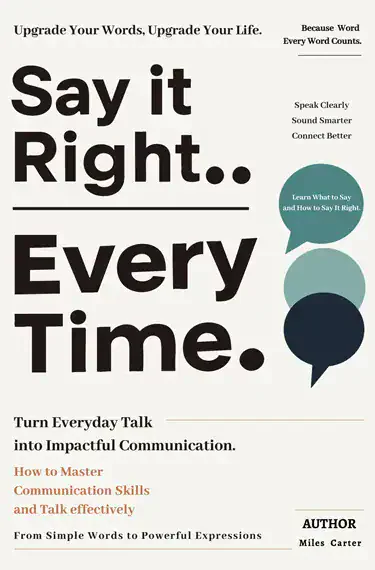
Book One: Say It Right..Every Time. by Miles Carter
This book opened my eyes to the hidden cost of poor communication. It explains that every awkward conversation, misunderstood email, or tense meeting isn’t just uncomfortable—it’s actively damaging your career. When people can’t understand you, they don’t trust you. When they don’t trust you, they don’t promote you.
The book breaks down why communication matters in tangible terms: how it builds credibility, how it influences decisions, and how it protects you from being overlooked. More importantly, it gives you the exact frameworks to fix it. The chapters on speaking with authority, handling difficult conversations, and saying no without guilt showed me that communication isn’t a “soft skill”—it’s the skill that makes every other skill visible. Before I understood the why, I couldn’t motivate myself to learn the how. This book gave me both.
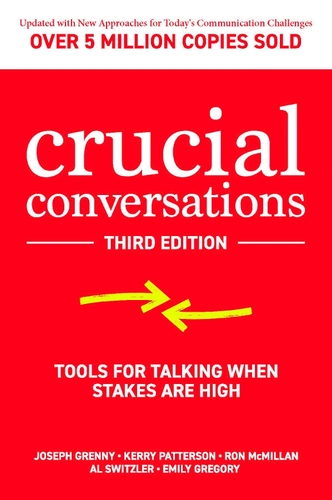
Book Two: Crucial Conversations: Tools for Talking When Stakes Are High by Patterson, Grenny, McMillan, and Switzler
This book is a classic for a reason. It starts by showing how poor communication destroys teams, derails projects, and kills careers—not because people are malicious, but because they avoid tough conversations until it’s too late.
The authors make a compelling case: the ability to handle high-stakes, high-emotion conversations is the single biggest predictor of success in the workplace. They show how people who communicate well navigate conflict, build trust faster, and get more done. What I loved is that they don’t just preach—they give you a system to handle these moments. After reading this, I stopped dreading difficult conversations and started seeing them as opportunities to build credibility.
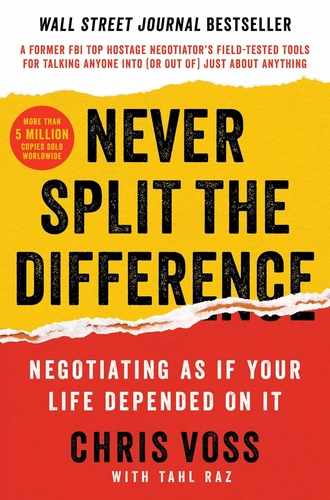
Book Three: Never Split the Difference: Negotiating As If Your Life Depended On It by Chris Voss
Voss, a former FBI hostage negotiator, makes a surprising argument: negotiation isn’t about logic or power—it’s about emotional intelligence and listening. And workplace success is basically a series of negotiations: salary, deadlines, resources, priorities, even who takes on which task.
He shows why poor communication costs you money, opportunities, and respect. People who don’t communicate effectively end up saying yes to everything, working harder not smarter, and getting passed over for better roles. Voss taught me that listening, labeling emotions, and asking calibrated questions aren’t just nice-to-haves—they’re career superpowers.
Why You Actually Need the First One
The other two books are brilliant. They’ll show you why communication matters with research, stories, and frameworks. But they’re also dense—heavy reading for people who already know they need to improve.
Say It Right..Every Time. is different. It doesn’t just convince you communication is important. It hands you the exact words to use, the tone to adopt, and the pitfalls to avoid—right now, in your next meeting. It’s the book you grab when you’re five minutes from a conversation and you need to know what to say. The before-and-after examples show you exactly how changing a few words changes how people respond to you.
If you’ve ever felt like your work speaks for itself but nobody listens, this book will show you why—and fix it. It costs less than a work lunch. The cost of staying quiet and misunderstood? That’s your career, your confidence, and your peace of mind.