I was 27 when I realized I’d been holding my breath for three years. Not literally. But every morning I woke up with a knot in my stomach that whispered, remember that thing you said in 2021? or your childhood was so perfect, why can’t today feel like that? I had a good job, a couple of friends who still texted, and parents who loved me from a distance. None of it seemed to matter. My mind was stuck in a loop: golden childhood memories that brought tears, and a parade of early-twenties mistakes I couldn’t forgive. I’d lie in bed at 2 a.m., phone off, and just replay conversations I should have had differently. I felt like a shell. I wanted to be happy again, but I genuinely didn’t know how to stop living in the past. If any of that sounds familiar, you’re not broken. You’re just human. And there are small, practical ways out.
Quick Ways to Stop Living in the Past Today
If you’re caught in the loop, try these:
- Pause one rumination spiral by describing three things you see right now.
- Write down one mistake you keep replaying, then scribble it out hard.
- Call a parent not to reminisce, but to ask what they had for lunch.
- Move your body for five minutes—stretch, walk—while naming the year out loud.
- Set a ten-minute timer for worrying, then close the notebook and walk away.
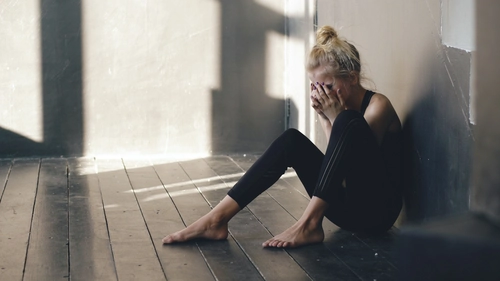
Why Do I Keep Replaying Old Memories and Regrets?
Here’s the thing no one tells you: nostalgia and regret use the same mental muscle. Both take you out of the now. I used to think my happy childhood memories were a gift. In some ways they are. But when my mom’s health started to decline, those memories became a hiding place. I’d relive the summer I turned nine, the way my dad taught me to ride a bike, because facing the present felt too heavy. It was easier to camp out in the past. The problem? The past is finished. It can’t hold you back. So I asked myself: am I remembering to heal, or am I remembering to escape? That tiny question changed things.
Regret is similar. Our brain replays mistakes because it thinks it’s protecting us from repeating them. But it gets stuck, like a scratched record. I once missed a dear friend’s wedding because I was too anxious to travel. For years, that memory would ambush me at bedtime. I’d think, I’m the worst friend. The loop never solved anything. It just drained me. I started telling myself, “Thank you, brain, for trying to keep me safe. But I’ve learned that lesson already.” It felt ridiculous at first. It also worked.
What helps even more is noticing when you slip into the past. Is it when you’re bored? Lonely? Before sleep? That’s a pattern, not a character flaw. Once you spot the trigger—say, silence after a long day—you can plan for it. I started keeping a notecard on my nightstand that said, “The past is a painting, not a room. You can’t live in it.” Corny, sure. But on hard nights, I’d read it and breathe.
How Can I Actually Let Go of Past Mistakes and Move Forward?
I’ll tell you what didn’t work: telling myself to just “move on.” That’s like yelling at a stuck car to start. What did work was making the present more interesting than the past. It helps to make current you more appealing than past you. So I started small. I joined a pottery class, not because I’m artistic (I’m terrible at it) but because my hands needed something to do besides scroll. I took my dad to a local jazz night, not to recreate childhood but to build a new memory with him as he is now. And I started a tiny evening ritual I call The Five-Minute Future.
Here’s how it works: right before bed, instead of reviewing my failures, I ask myself one question. What’s one thing future-me will thank me for tomorrow? It can be silly: laying out my clothes, drinking a glass of water, texting a friend a stupid meme. The point is to shift the focus forward, even for a moment. Once I did that for a week, the nighttime loops got quieter. They didn’t vanish, but they lost their grip.
Another shift that helped was learning to talk to my past self the way I’d talk to a friend. When I remembered that missed wedding, I’d literally say out loud: “You were struggling. You did the best you could with what you knew then.” At first, it felt fake. Then one night, I cried and felt something release. We’re often so harsh with our younger selves. But that version of you deserves compassion, not a courtroom.
Is there a mistake you’re still carrying? Try writing it down on paper, reading it aloud, and then saying, “I forgive you. I’m learning.” Then fold the paper and put it in a box labeled “Lessons.” I know it sounds like a middle school art project. But there’s something about physically moving it that tricks the brain into letting go. Some people burn the paper. Others bury it. I just tuck it away. The ritual itself matters more than the method.
The Future Self Letter: A Weekly Ritual to Anchor You in the Now
I stumbled on this after a bad week where I almost deleted my social media, quit my job, and moved back to my childhood home. Instead of making any rash decisions, I sat down and wrote a letter from my 30-year-old self to my current self. I wrote it by hand, in my own voice, and started with: “Dear 27-year-old me, I know you’re in pain right now. But I want you to know what’s coming.” Then I listed three specific, believable things that future-me was looking forward to: a road trip with a friend, a promotion I hadn’t earned yet, a new recipe I’d master. Nothing grand. Just small, real anchors.
That letter lives on my desk now. When I feel dragged backward, I read it. It reminds me that I’m a work in progress, that there’s a version of me who’s already moved past this chapter. I’m not going anywhere, I’m just going forward. Could a letter like that help you? Maybe. It’s not magic. But it’s a physical reminder that your story isn’t over.
What is one thing you hope your future self will thank you for starting today? Write it down right now. Even on a napkin. Even on your phone’s notes app. The act of naming a forward motion can nudge your brain out of reverse.
When Happy Memories Become Painful
This is tricky. I love my childhood. But after my mom’s diagnosis, thinking about it felt like pressing a bruise. I’d look at old photos and end up sobbing. Then I felt guilty because aren’t good memories supposed to make you happy? A friend told me something that helped: “You’re grieving the version of your parents that existed before you knew they could get sick. That’s not nostalgia. That’s love, scared.” I started allowing those memories to be bittersweet. I stopped trying to make them feel good. Instead, I’d say, “I miss that version of us. And I’ll carry it with me.” That permission, oddly, made the memories less sharp.
Do you have a memory that keeps bringing tears? Try this: next time it surfaces, don’t push it away. Sit with it for 30 seconds and ask, “What am I really missing here?” Maybe it’s safety. Maybe it’s a feeling of being cared for. Once you name the need behind the memory, you can look for small ways to meet that need now. If it’s safety, you might wrap yourself in a heavy blanket. If it’s care, you could cook the meal your mom used to make. Bringing the feeling into the present, rather than chasing the past, can be a quiet form of healing.
What If I’m Too Exhausted to Even Try?
I’ve been there. Phone calls made me want to hide. Activities I used to love felt pointless. A part of me thought, “I’ll just wait until I feel better.” But the truth is, action came first for me—not the other way around. I started with ridiculously small steps. One day, I challenged myself to reply to just one text with a single emoji. That’s it. The next week, I went for a walk around my block without my phone. I didn’t enjoy it. But I did it. And the week after, something shifted. A tiny bit of color crept back in.
What’s the smallest possible action you could take today that future-you might appreciate? Even if it’s just standing outside for one minute and naming three things you hear. That counts. Recovery isn’t a marathon. It’s a series of single steps, sometimes backwards, sometimes forwards.
Another thing: I stopped judging my social battery. If phone calls made me panicky, I told people I’d reply via text for a while. True friends understood. I sent voice notes instead of answering calls. I declined invitations without explaining myself. Protecting your peace while you heal isn’t antisocial. It’s smart.
Have you been pushing yourself to be who you used to be? What if you let that person rest and simply work with who you are right now?
FAQ: How to Stop Living in the Past
Q: Why can’t I stop living in the past even when I try?
A: Often because your brain is trying to protect you from repeating mistakes or is using nostalgia as an escape from present pain. The past feels safe and predictable. Breaking the habit takes practice and replacing the loops with small forward actions.
Q: How do I stop living in the past and forgive myself for mistakes?
A: Start by separating the person you were then from who you are now. You made the best decision you could with the knowledge and resources you had at the time. Write a letter of compassion to that younger version of yourself.
Q: Is nostalgia unhealthy?
A: Not always. Nostalgia can be grounding and meaningful when it connects you to your roots. It becomes unhealthy when it keeps you from engaging with the present and when you find yourself escaping to it constantly. Ask yourself: am I remembering to heal or to hide?
Q: How do I stop living in the past when I miss someone who is no longer in my life?
A: Grief and loss are real. Give yourself space to miss them without letting that missing consume every moment. Create a small ritual that honors them—like lighting a candle or cooking their favorite meal—then turn toward your own life.
Q: Can writing a future self letter really help?
A: Many people find it helps shift their focus from what they’ve lost to what they’re still moving toward. It doesn’t have to be grand. Even listing a few small, believable possibilities can remind your brain that the present is still unfolding.
One Last Thing
I still have nights when the past calls my name. It’s not gone. It’s just quieter. And on those nights, I whisper to the nine-year-old me, “We’re okay. We’re still here.” Then I turn out the light, not to forget, but to rest for tomorrow.