Most people do not feel in control of their money. They feel like it controls them. It disappears before they can save it. It gets spent on things they cannot remember buying. It causes arguments, sleepless nights, and a quiet sense of shame that never quite goes away.
The problem is rarely income. People earning modest salaries build wealth every day. People earning six figures live paycheck to paycheck. The difference is not how much money moves through your hands. It is whether you understand where it goes, why you spend it, and what you actually want it to do for you.
These three books gave me that understanding. One changed how I think about money. One gave me a system. One gave me a reason.
Book One: From Debt to Wealth by Owen Pierce
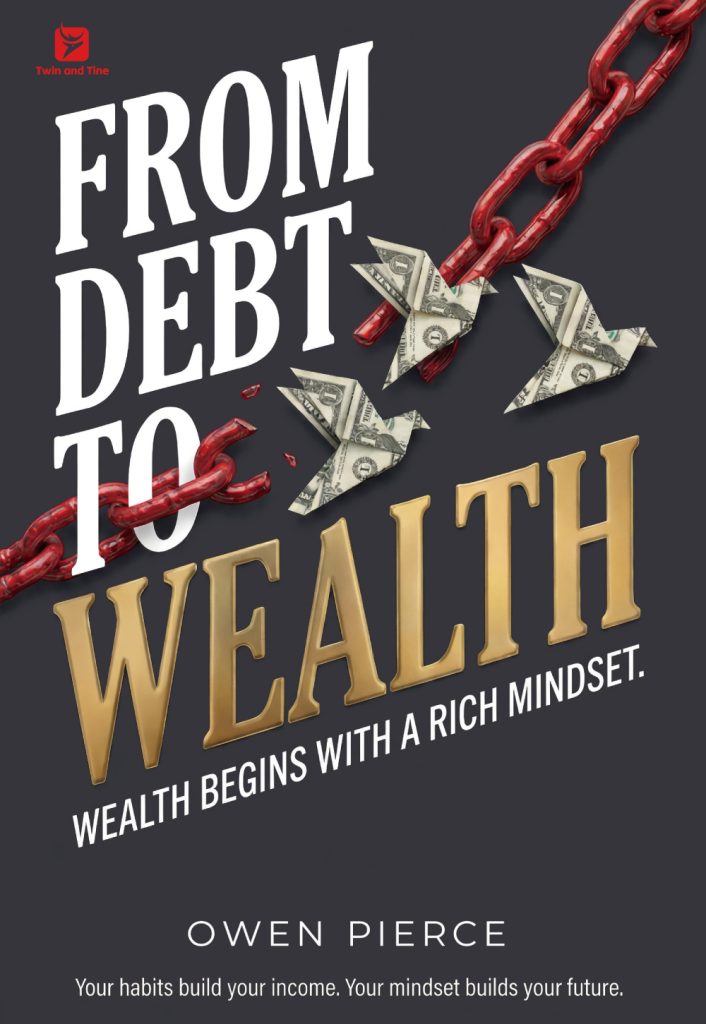
This book opened with a sentence that stopped me cold. Wealth is not a reward for hard work. It is a compensation for cognition. I had been working hard for years and had almost nothing to show for it. That sentence explained why.
Pierce does not waste time on budgeting tricks or guilt. He goes straight to the rules you were never taught. Why a paycheck is more dangerous than it looks. Why luxury is often a display of money you do not have. Why the poor seek comfort and the rich embrace discomfort. Why working more hours will never make you rich, no matter how many of them you work.
What I appreciated most is that it does not shame you for past mistakes. It helps you see the patterns clearly, then gives you a practical framework to change them. The chapters on money habits and conscious spending are worth the price alone. This is the book I return to whenever my spending drifts out of alignment with what actually matters.
Book Two: The Total Money Makeover by Dave Ramsey
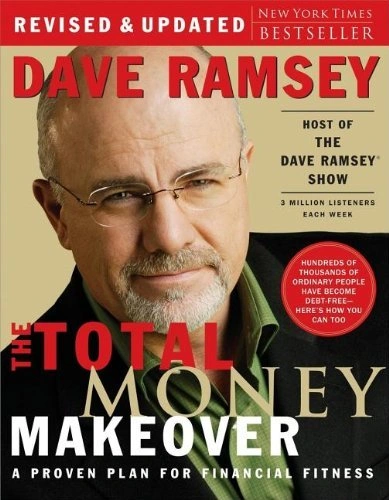
Ramsey is blunt, and that is exactly what some people need. His approach is built on seven baby steps, starting with a small emergency fund and ending with wealth building. There is no nuance, no “it depends,” no complicated investment strategy. Just a clear path.
The core of the book is getting out of debt. Ramsey explains why debt is not a tool, why minimum payments keep you trapped, and why you need to attack it with intensity before you can build anything. I did not agree with every chapter, but the framework worked. It gave me a clear order of operations when I felt paralyzed by where to start.
If you want a system that leaves no room for negotiation with yourself, this is it.
Book Three: Your Money or Your Life by Vicki Robin and Joe Dominguez
This book asks a question that changed how I see every purchase. How many hours of your life did that cost? Not the price tag. The hours. You trade your time for money, and then you trade that money for things. When you calculate the real cost in life energy, some purchases stop making sense.
Robin and Dominguez built an entire philosophy around this. The goal is not to accumulate the most money. It is to use money in a way that aligns with what you actually value. The book walks you through tracking your spending, calculating your real hourly wage, and figuring out what “enough” looks like for you. It is less a finance book and more a guide to building a life you do not need to escape from.
Why Start With the First One
The Total Money Makeover gives you a system. Your Money or Your Life gives you a philosophy. Both are valuable. But both require you to change your behavior based on discipline or reflection.
From Debt to Wealth does something different. It changes how you see money before asking you to change what you do with it. It explains why you have been stuck, why the usual advice fails, and why the game is not rigged against you the way it feels. Once you understand the rules, the actions become obvious.
If you are tired of feeling like money happens to you instead of for you, start here. It costs less than a dinner out. The cost of staying stuck is another year of the same cycle.