Most money advice falls into one of two traps. It is either so vague it means nothing, like “spend less than you earn” or “invest early.” Or it is so restrictive it makes you miserable, turning every purchase into a moral failing and every latte into a crime against your future.
Neither approach works. Not because the advice is wrong, but because it ignores the actual problem. Money is not a math problem. It is a behavior problem. And behavior does not change because someone told you to try harder. It changes when you understand why you do what you do.
These three books taught me that. One gave me the mindset. One gave me the psychology. One gave me the system. Together, they did more for my finances than a decade of budgeting apps.
Book One: From Debt to Wealth by Owen Pierce
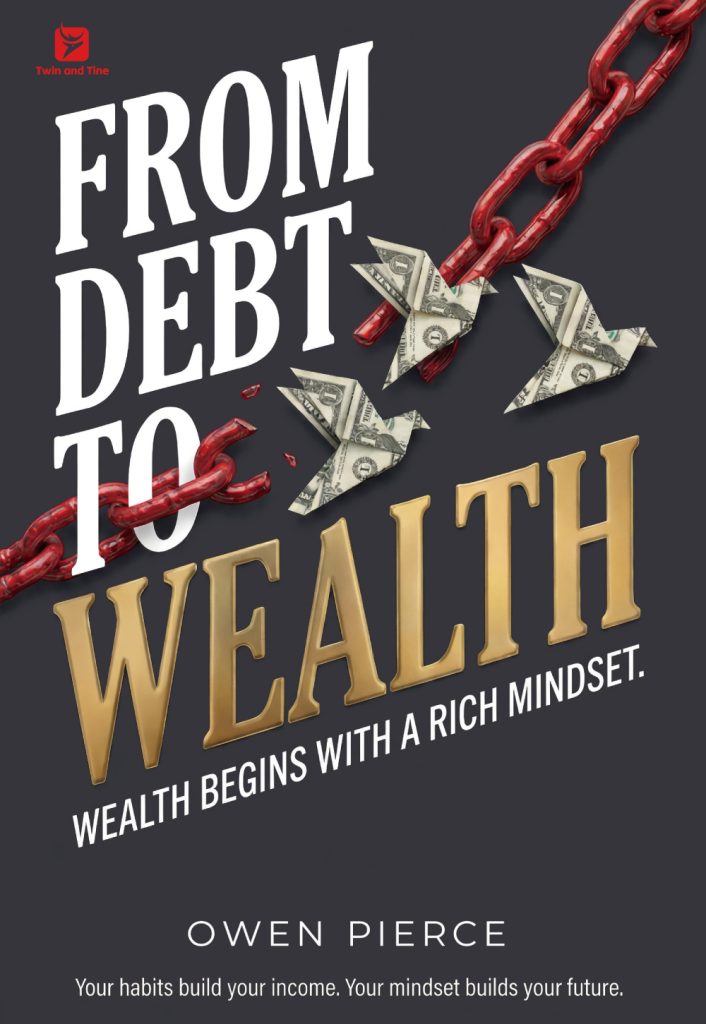
This book starts with a sentence that made me put it down for a minute. Wealth is not a reward for hard work. It is a compensation for cognition. I had been working hard for years and had almost nothing to show for it. That sentence explained why.
The book is not about cutting coupons or skipping coffee. It is about understanding the rules you were never taught. Why a paycheck is more dangerous than it looks. Why luxury is often a display of money you do not have. Why the poor seek comfort and the rich embrace discomfort. Why working more hours will never make you rich, no matter how many of them you work.
What I love is that it does not shame you. It helps you see the patterns clearly, then gives you a practical framework to change them. The chapters on money habits and conscious spending are worth the price alone. This is the book I return to whenever my spending drifts out of alignment with what actually matters.
Book Two: The Psychology of Money by Morgan Housel
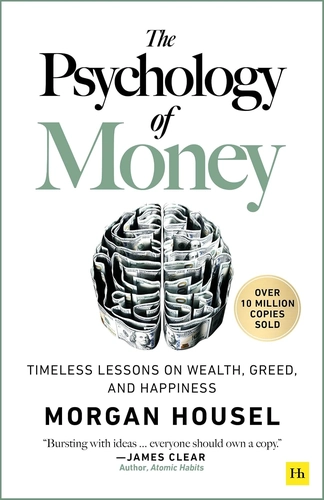
Housel is not a financial advisor. He is a storyteller, and this book is a collection of short essays about how people actually behave with money, which is nothing like how economists assume they behave.
His central point: doing well with money has almost nothing to do with how smart you are. It has everything to do with how you behave. And behavior is shaped by emotion, history, and personal experience. The chapter on “enough” stayed with me longest. It is about the danger of never feeling satisfied, of constantly moving the goalpost, of comparing yourself to people who have more. Without knowing what enough looks like, you will always feel poor no matter how much you have.
This book helped me separate my spending from my ego. That alone was worth the read.
Book Three: I Will Teach You to Be Rich by Ramit Sethi
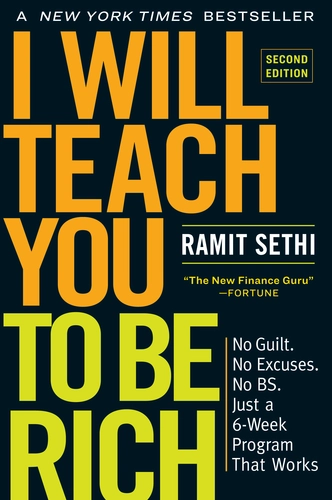
This one is the practical counterpart. Sethi is blunt, funny, and refreshingly free of guilt. His approach is simple. Spend extravagantly on the things you love, cut costs ruthlessly on the things you do not, and automate the rest so you do not have to rely on willpower.
He walks you through setting up accounts, investing in index funds, and negotiating raises. None of it is complicated. Most of it takes a weekend to set up and then runs on autopilot. What I appreciated most is his honesty. He does not pretend you need to be a monk. He says the goal is not to be rich on paper. It is to have enough money to live a life you actually enjoy.
Why Start With the First One
The Psychology of Money will help you understand your behavior. I Will Teach You to Be Rich will give you a system. Both are valuable. But both are books you absorb over time, frameworks that take practice to apply.
From Debt to Wealth is different. It is the one that meets you where you are right now, whether you are drowning in debt, stuck in a paycheck cycle, or just tired of feeling broke. It does not just tell you what to do. It explains why you have been doing it wrong, and then gives you a path forward. It costs less than a dinner out. But unlike dinner, it might change how you earn for the rest of your life.