Most advice about money starts with restriction. Make a budget. Cut the lattes. Stop buying things you do not need. It sounds sensible, but it misses something fundamental about how humans actually work. Restriction without understanding is just punishment. And punishment rarely changes behavior for long. It just makes you feel guilty until you eventually rebel and buy something you do not even want.
Real mindful spending is not about deprivation. It is about awareness. It is about seeing the gap between what you feel like buying and what you actually value. That gap is where all the trouble lives, and closing it requires more than willpower. It requires understanding your own mind. These three books helped me do that, each one approaching money from a completely different angle.
Book One: From Debt to Wealth by Owen Pierce
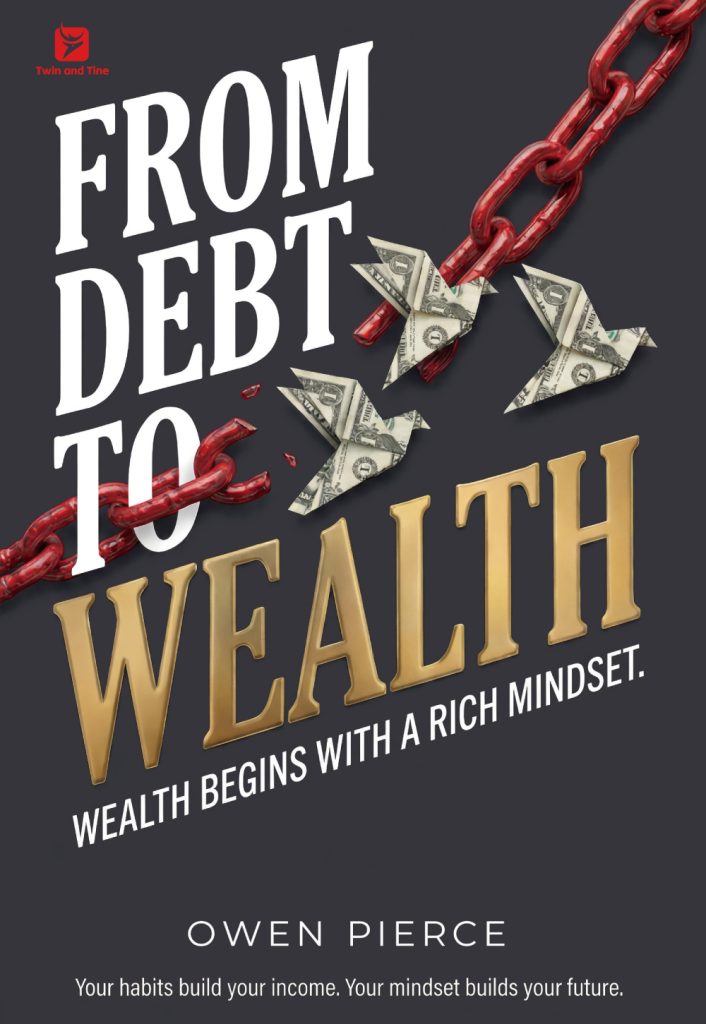
I picked this up expecting another finance book full of spreadsheets and rules. What I found was something closer to a mirror. The book starts with a premise that stopped me cold: wealth is not a reward for hard work. It is a compensation for cognition. That sentence made me uncomfortable because it was true. I had been working hard for years and had almost nothing to show for it.
The sections on money habits hit hardest. Pierce explains that mindful spending is not about tracking every dollar. It is about understanding what you are really buying when you spend. Often it is not the object. It is a feeling. Relief. Status. Comfort. Distraction. Once I saw that, I stopped judging myself for every purchase and started asking a better question. What am I actually trying to feel right now? That question changed everything. This book gave me a framework for spending that is rooted in awareness, not shame.
Book Two: The Psychology of Money by Morgan Housel
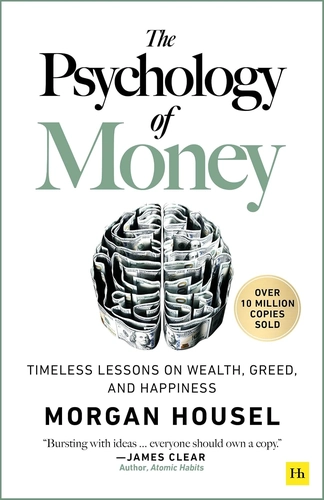
This book is not a practical guide. It is a collection of stories and insights about how people actually behave with money, which is usually nothing like how economists assume they behave. Housel argues that doing well with money has little to do with how smart you are. It has everything to do with how you behave, and behavior is shaped by emotion, history, and personal experience.
The chapter on “enough” stayed with me. Housel writes about the danger of never feeling satisfied, of constantly moving the goalpost, of comparing yourself to people who have more. Mindful spending requires knowing what enough looks like. Without that, you will always feel poor no matter how much you have. This book helped me separate my spending from my ego. That alone was worth the read.
Book Three: The Year of Less by Cait Flanders
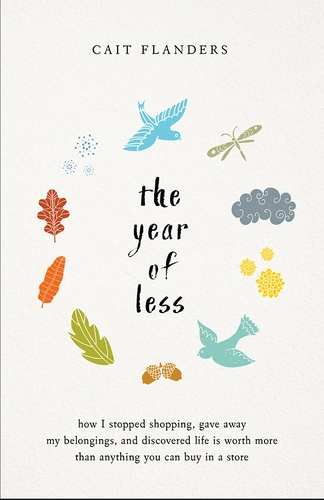
Flanders spent a year on a self-imposed shopping ban. Not because she was broke, but because she realized her spending had become a way of avoiding her feelings. Shopping was entertainment. It was comfort. It was a reward. It was also a cage.
Her story is honest and uncomfortable in the best way. She does not pretend minimalism is easy. She talks about the withdrawals, the boredom, the moments when she almost gave in. What she finds on the other side is not just financial savings. It is clarity. She starts to see what she actually values, and it is not things. This book made mindful spending feel less like a chore and more like a path to something better. It reminded me that every purchase is a trade. You are trading time, energy, and freedom for whatever you are buying. Sometimes it is worth it. Often it is not.
Why Start With the First One
The other two books are excellent. The Psychology of Money will change how you think about wealth. The Year of Less will inspire you to consume less. But both are more about mindset and story than about the daily practice of spending well.
From Debt to Wealth is different. It is both philosophy and instruction. It gives you the why and the how. The chapters on habits, conscious spending, and the psychology of rewards are written for people who are tired of feeling guilty and want to build a healthier relationship with money. It does not ask you to be perfect. It asks you to be aware. And that awareness, practiced over time, is what actually changes everything.
If you have tried budgets and failed, or if you have ever felt confused about why you keep spending on things that do not make you happy, this book is for you. It costs less than one of the impulse purchases you might regret next week. But unlike that purchase, this one might actually change your life.