I used to think inner peace was something you found. Like a lost set of keys. You search long enough, meditate hard enough, read the right spiritual book—and eventually, you unlock it. Then life stops bothering you.
That’s not how it works. At least, not for me.
What I learned is that inner peace isn’t found in a quiet room or a perfect morning routine. It’s built—slowly, imperfectly—in the middle of the chaos. When your inbox is exploding. When someone you love says something hurtful. When your own mind won’t stop replaying the past. That’s where peace gets practiced. Not after everything calms down. While everything is loud.
These three books helped me stop chasing peace and start channeling it. Each one approaches it differently—one practical, one compassionate, one almost philosophical. But together, they gave me something I’d been missing: a way to feel steady even when life isn’t.
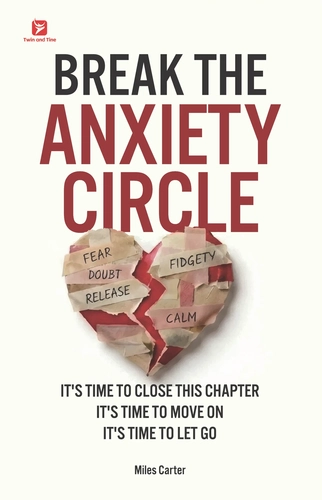
Book One: Break the Anxiety Circle by Miles Carter
This book was the first one that made inner peace feel achievable. Not in a mountaintop-monk kind of way. In a Tuesday-afternoon, heart-racing, can’t-stop-overthinking kind of way. It explains that anxiety—the opposite of peace—is a feedback loop. A thought triggers fear. Fear triggers physical tension. Physical tension confirms the thought. The cycle repeats until you feel completely hijacked.
What I loved is that it doesn’t ask you to be calm before you start. It meets you in the mess. The chapter “Action Is the Antidote to Anxiety” gave me small, physical steps to interrupt the spiral—things I could do even when my mind was racing. Another chapter on overthinking helped me recognize when I was ruminating and gently redirect. The book doesn’t promise you’ll never feel anxious again. It promises you’ll stop being ruled by it.
For me, that was the beginning of peace. Not the absence of storms—but a place to stand inside them.
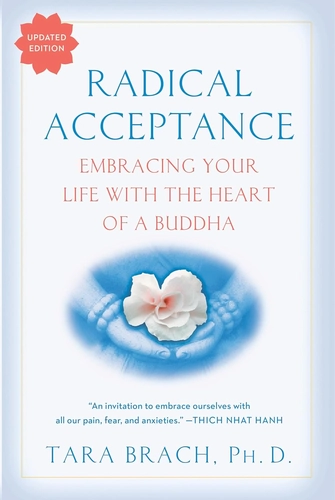
Book Two: Radical Acceptance: Embracing Your Life With the Heart of a Buddha by Tara Brach
Tara Brach is a psychologist and meditation teacher, and this book is a gentle masterpiece. Her core idea: suffering comes from our war with reality. We don’t want things to be the way they are. We want to feel different, be different, have different circumstances. And that resistance is what keeps us agitated and unpeaceful.
Radical acceptance doesn’t mean giving up or approving of everything. It means stopping the internal fight. She teaches a practice called RAIN—Recognize, Allow, Investigate, Nurture—which helps you turn toward difficult emotions instead of running from them. The first time I tried it, I cried. Not because it was sad, but because it was such a relief to stop fighting myself.
This book gave me a kind of peace I didn’t know existed: the peace of being on my own side, even when I’m a mess.
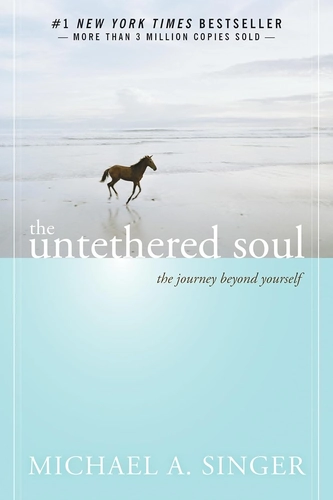
Book Three: The Untethered Soul: The Journey Beyond Yourself by Michael A. Singer
This one is a little more out there—but in the best way. Singer’s central metaphor changed how I see my own mind. He says you’re not the voice in your head. You’re the one hearing the voice. That voice—the anxious one, the critical one, the one that won’t shut up—is not you. It’s just a roommate who never stops talking.
Once you realize that, you can stop taking every thought so seriously. You can watch it come and go without being dragged along. Singer teaches you to relax behind your thoughts, to create inner space. It’s not about silencing the mind. It’s about no longer being imprisoned by it.
This book gave me a sense of freedom I hadn’t felt before. Peace wasn’t about fixing my thoughts. It was about remembering I was the sky, not the weather.
Where to Start
The other two books are beautiful. Radical Acceptance will teach you to hold your pain with compassion. The Untethered Soul will show you that you are not your thoughts. But both are books you need to sit with—slow, contemplative, almost meditative reads. They ask something of you. And when you’re in the middle of chaos, sometimes you don’t have the bandwidth for that.
Break the Anxiety Circle is different. It’s the book you grab when peace feels impossible. When your chest is tight and your mind is racing and you can’t remember what calm even feels like. It doesn’t lecture you. It gives you something to do. A small action. A shift in focus. A way to interrupt the spiral long enough to breathe.
If you’ve been chasing inner peace and keep coming up empty—maybe the problem isn’t you. Maybe you just need a different starting point. This book is that starting point. It costs less than a takeout dinner. But if you actually use it, it might give you something you can’t put a price on: a mind that finally feels like home.