I used to think financial freedom was something other people had. People with trust funds, tech salaries, or lucky breaks. Meanwhile, I was making decent money and somehow still broke by the 20th of every month. I’d check my account balance with my eyes half closed, like I was bracing for bad news. I was making money. But I wasn’t keeping it. And I had no idea where it was going.
I also felt ashamed. How could I be in my late 20s with nothing to show for it? I stayed stuck for years because I didn’t want to look at my situation head on. These three books gave me permission to look at my finances honestly and started me on a path toward financial freedom. Not overnight. But step by step.
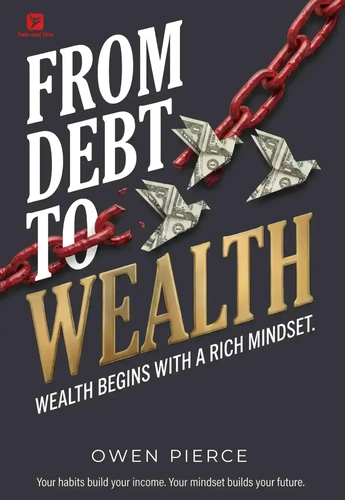
1. From Debt to Wealth by Owen Pierce
This book is a practical guide to breaking the paycheck cycle and building real wealth. What made it different for me is that it doesn’t assume you already have money to invest. It starts where most people actually are: trying to survive month to month.
One thing that stuck with me was the distinction between good debt and bad debt. I always assumed all debt was bad. Turns out, some debt can be a tool if you know how to use it without getting burned. I also learned why working harder doesn’t necessarily lead to wealth—it’s not about hours, it’s about how you think about money and leverage.
I started following the book’s approach to building savings. Small, consistent steps instead of aggressive moves that I couldn’t sustain. That shift—from “all or nothing” to “a little bit, consistently”—made the difference. It wasn’t exciting. But it worked.
If you’re tired of living paycheck to paycheck or wondering where your money goes each month, this book gives you a clear, step by step way out. It helped me stop feeling broke.
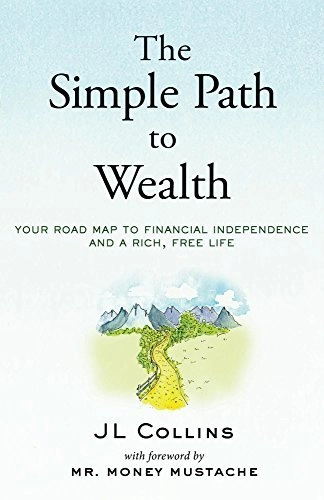
2. The Simple Path to Wealth by JL Collins
Collins started writing letters to his daughter about money and turned them into this book. He makes a simple case: spend less than you earn, invest the rest in index funds, and stay the course. It’s that simple. But his explanation of why this works made me trust the process.
What I took away: the market will go up and down. But over time, it trends up. You don’t need to be a genius, you just need to be patient. I stopped trying to time the market or pick individual stocks. That alone saved me a lot of stress and mistakes.
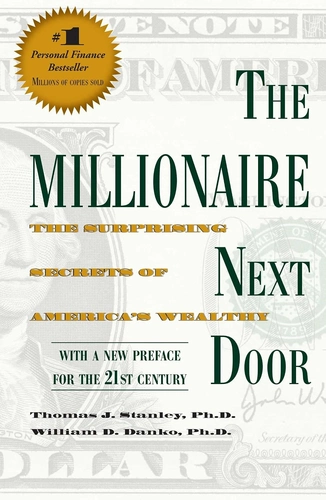
3. The Millionaire Next Door by Thomas J. Stanley and William D. Danko
This book is based on research. Stanley and Danko interviewed actual millionaires to find out how they got there. The picture that emerged wasn’t flashy. Most didn’t inherit money or make huge salaries. They lived below their means, invested consistently, and didn’t care about looking rich.
This shifted my mindset from “I need to make more” to “I need to keep more of what I make.” I stopped buying things to impress people I didn’t even like. That alone freed up more money than any raise ever did.
One last thought
Financial freedom isn’t about being rich. It’s about having enough that you’re not constantly stressed about money. If you’re just starting out and feel behind, start with From Debt to Wealth. It meets you where you are.