I used to walk away from conversations feeling confused. Someone would say they were fine, but something felt off. A colleague would agree to help, but their voice didn’t match their words. I’d sense something wasn’t right but convince myself I was overthinking.
It turns out I was reading the signals. I just didn’t trust what I was seeing. These three books helped me start paying attention to what people are actually communicating, not just what they’re saying.
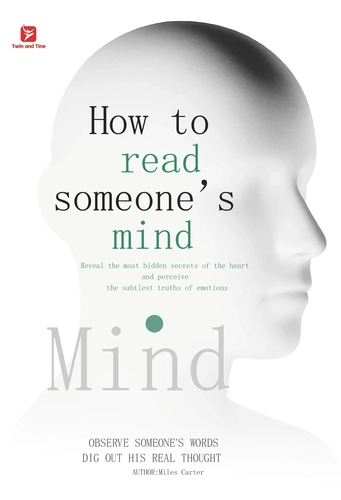
1. How to Read Someone’s Mind by Miles Carter
This book is a practical guide to decoding nonverbal communication. It covers facial expressions, body language, eye contact, vocal tone, posture, and movement patterns. It also breaks down behavioral patterns across different personality types, from gossipers to emotionally guarded people.
What I found most useful was the section on micro expressions. These are brief facial movements that flash across someone’s face before they can control them. They’re involuntary and they reveal what someone is really feeling, even when their words say something else. Once you know what to look for, you start seeing them everywhere.
I was in a meeting when I first tested this. My manager was giving feedback, saying all the right things about my performance. Then I caught it, a brief tightening around her mouth that didn’t match her words. I didn’t confront her. I just noticed. And I started paying closer attention to her other signals over time. Turned out there were things she wasn’t saying directly.
Another part of the book covers eye contact. I used to think avoiding eye contact meant someone was lying. The book explains it can also mean anxiety, discomfort, or even deep thinking. The key is to look at clusters of behavior, not one isolated signal. This book didn’t make me suspicious of everyone. It made me more observant. And that observation has saved me from more than a few awkward situations.
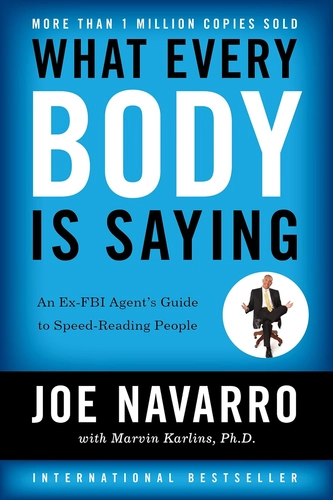
2. What Every Body Is Saying by Joe Navarro
Navarro spent 25 years in the FBI reading people under high pressure situations. This book is his distilled expertise on nonverbal intelligence.
He explains the limbic system, the part of the brain that controls instinctual responses. When someone feels threatened or uncomfortable, their body reacts before their conscious mind can censor it. These are the most honest signals.
What I found useful was the distinction between comfort and discomfort cues. Comfort means someone is at ease. Discomfort means something is off. Once you learn to spot discomfort cues, you can read a room better than most people. I started noticing when a friend leaned away from a topic or when a colleague started touching their face during a question. These small signals told me more than their words ever did.
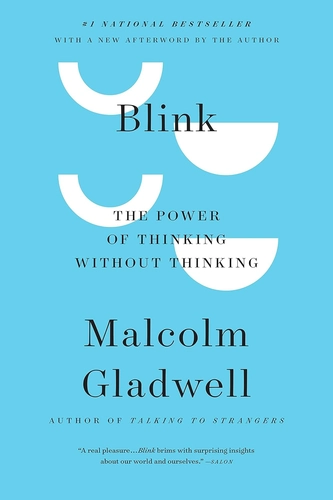
3. Blink by Malcolm Gladwell
Gladwell writes about the power of first impressions and rapid cognition. How we make snap judgments in seconds without realizing it. His central argument is that sometimes those quick reads are more accurate than overthinking.
What I found valuable was his explanation of thin-slicing, our ability to find patterns in very small slices of experience. I started trusting my gut more. When I had a feeling about someone early in a conversation, I paid attention to it instead of dismissing it.
He also shows how our assumptions can go wrong when we’re distracted or biased. That made me realize reading people requires presence. You can’t observe well when you’re half checked out.
One last thought
Reading people isn’t about being suspicious. It’s about being present enough to notice what they’re already showing you. Start with How to Read Someone’s Mind. It gives you specific signals to watch for starting tomorrow. You’ll be surprised what you start noticing.