I used to walk away from conversations replaying what I should have said. Words that came out wrong. Points I didn’t make. Things I should have said but didn’t. It wasn’t that I didn’t know what I wanted to say. I just didn’t know how to say it in the moment.
Then I read the right books. Not the ones that told me to be more confident. The ones that showed me what to actually say.
These three changed how I talk to people.
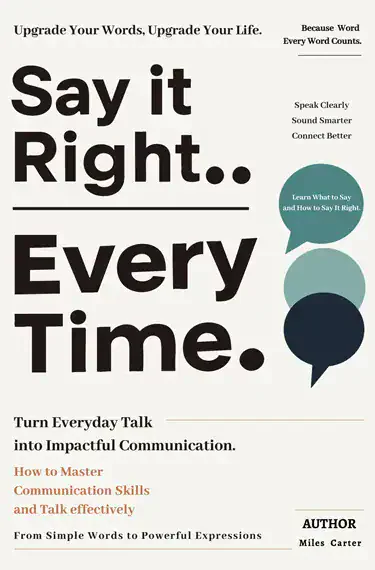
1. Say It Right Every Time by Miles Carter
What I loved about this book is that it doesn’t just tell you to communicate better. It shows you side by side comparisons of “what most people say” versus “what works better.” You see the difference immediately. It sounds small, but seeing it on the page makes it real.
One phrase I still use came from the chapter on setting boundaries. Instead of saying “I’m sorry, I can’t,” which always made me feel guilty, the book suggested “I can’t take that on right now, but I can help you find someone who can.” Clean. Clear. No guilt spiral. I used it with a colleague who kept piling work on me. It worked. She stopped asking.
There’s also a section on handling conflict that completely changed how I argue. It gives you language that de escalates instead of inflames. I used it during a tense conversation with my partner and for the first time, the conversation didn’t turn into a fight.
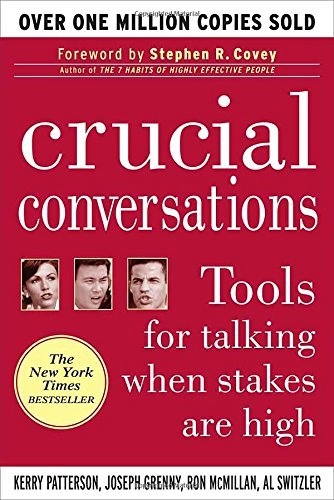
2. Crucial Conversations by Patterson, Grenny, McMillan, and Switzler
This is the gold standard for high stakes conversations. It taught me how to stay in dialogue when emotions are high and opinions differ. The book introduces concepts like “starting with facts, not stories” and “making it safe” that gave me a framework for conversations I used to avoid entirely.
I used the “start with facts” approach in a performance review where I needed to give honest feedback without sounding accusatory. It changed the whole dynamic. The facts were neutral. My tone stayed calm. The conversation was actually productive.
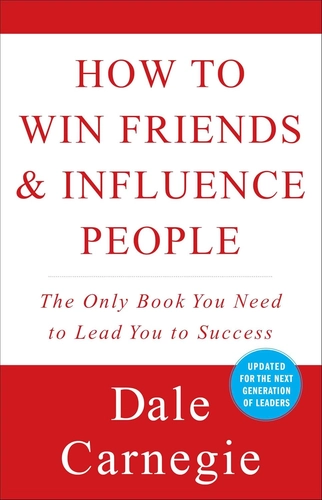
3. How to Win Friends and Influence People by Dale Carnegie
Old but gold. Carnegie’s principles about making people feel heard and valued are still relevant. It’s not about manipulation. It’s about understanding that people respond to genuine appreciation and respect. I found that applying even one principle—actually listening instead of planning my response—made a noticeable difference in how people responded to me.
The book also taught me that people care more about feeling understood than about being right. That single insight changed how I approach every difficult conversation.
One last thought
Good communication isn’t a talent. It’s a skill you can learn. These books gave me words I didn’t have before and changed how I show up in conversations. If you want something instantly practical, start with Say It Right…Every Time. The examples alone are worth reading.