Most communication advice comes down to a few things: listen more, don’t interrupt, ask open questions. Good advice. But if it were that simple, we’d all be great communicators already. The hard part isn’t knowing what to do. It’s knowing how to do it when emotions are high and the other person isn’t cooperating.
These three books helped me communicate better, not by teaching me a script, but by showing me what I was missing.
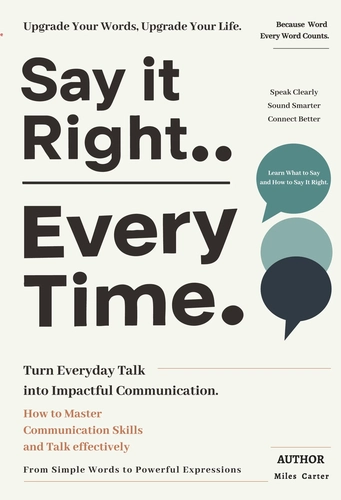
1. Say It Right Every Time by Miles Carter
This book is a practical communication guide focused on daily life and workplace scenarios. What makes it different is the format. It shows you direct comparisons between basic expressions and mature expressions, paired with specific scripts. You don’t just learn theory. You see exactly what to say and how to say it.
One section I found useful was about saying no. It gives you phrases that are clear without being harsh, firm without being dismissive. I used one of them when a colleague asked me to take on extra work. Instead of the usual “sorry, I’m just so busy,” I said “I can’t take that on right now, but I can help you find someone who can.” It was clean. No guilt spiral. No awkward follow up.
Another section covers handling conflict. The book offers language that de escalates rather than inflames. It taught me that good communication isn’t about having the perfect words ready. It’s about knowing how to adapt in the moment. This one gave me the confidence to say what I mean without worrying about how it would land.
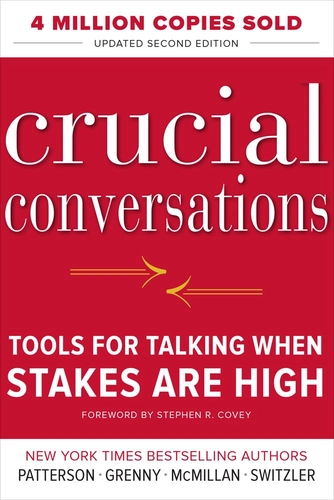
2. Crucial Conversations by Patterson, Grenny, McMillan, and Switzler
This is the gold standard for high stakes conversations. It teaches you how to stay in dialogue when emotions run high and opinions differ. The book introduces concepts like “starting with facts” and “making it safe” that gave me a framework for conversations I used to avoid entirely.
I used the “start with facts” approach in a performance review where I needed to give honest feedback without sounding accusatory. It changed the whole dynamic.
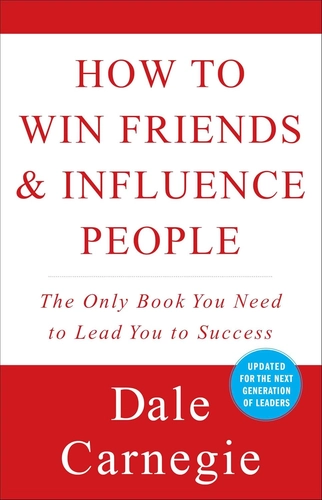
3. How to Win Friends and Influence People by Dale Carnegie
This one is old, but for good reason. Carnegie’s principles about making people feel heard and valued still hold up. It’s not about manipulation. It’s about understanding that people respond to genuine appreciation and respect. I found that applying even one principle, remembering someone’s name, made a noticeable difference.
One last thought
Better communication isn’t about sounding smarter. It’s about being heard and understanding others more clearly. These books gave me tools I could use immediately. If you want one that’s instantly practical, start with Say It Right…Every Time. The comparisons alone are worth the read.