I spent a long time believing people meant what they said. If someone promised to help, they’d help. If they said they cared, they cared. If they swore they were telling the truth, well—they were.
Then life happened. Promises were broken. People disappeared when I needed them. And I realized the map I was using for human behavior was wrong.
These three books helped me draw a new one.
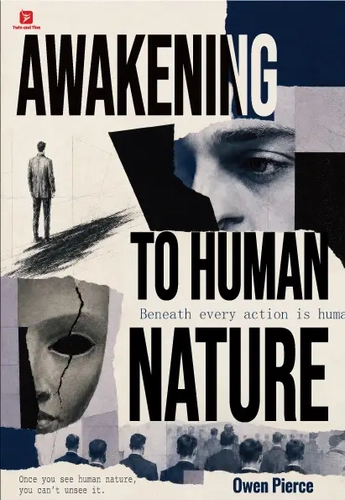
1. Awakening to Human Nature by Owen Pierce
(Start here if you want to stop being surprised by people.)
This book walked me through the hidden drivers of human behavior—the ones people don’t talk about, and sometimes don’t even know themselves.
The chapter on social dynamics changed how I see group situations. It explains why people often act differently in groups than they do one-on-one. Someone who’s kind in private can become cold in public because their motive shifts from connection to status preservation. Recognizing this stopped me from taking certain workplace incidents personally.
Another part that stuck: the chapter on emotional patterns explains why people defend bad decisions long after they know they’re wrong. It’s not about the decision anymore. It’s about protecting their self-image. This explained so many conversations where logic just bounced off someone. They weren’t being stubborn. They were being *human*.
There’s also a section on workplace realities that helped me understand office politics for the first time. Why some people get ahead despite average work. Why others get pushed out despite talent. It’s not about fairness—it’s about perceived threat, visibility, and alliances. Hate the game, but understanding it helps you play it less naively.
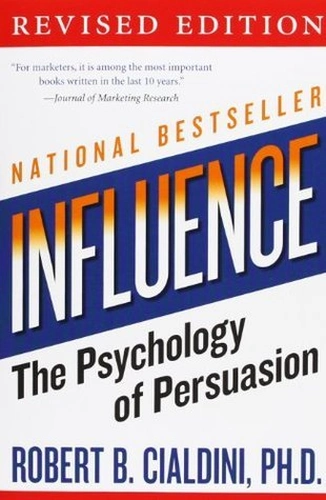
2. Influence: The Psychology of Persuasion by Robert Cialdini
(The one that explains what triggers people’s actions.)
Cialdini breaks down six principles that actually drive decisions. People don’t always choose based on logic—they choose based on:
- Reciprocity: someone does you a favor, and you feel obligated to return it
- Scarcity: fear of missing out overrides rational thinking
- Authority: we follow experts even when we shouldn’t
- Consistency: once we commit to something, we stick to it
- Liking: we say yes to people we like, not to what’s right
- Social proof: if everyone else is doing it, it must be okay
What hit home: these aren’t manipulation tricks used only by salespeople. They’re built into how human brains work. Once I understood them, I started seeing them everywhere—and stopped falling for them.
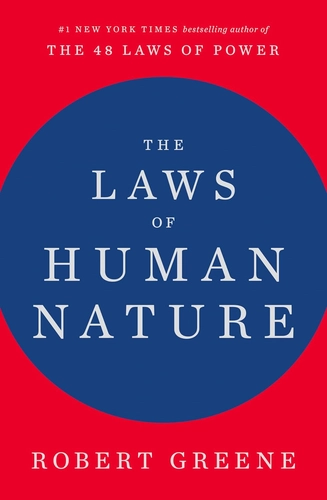
3. The Laws of Human Nature by Robert Greene
(The one that unpacks the psychology behind behavior.)
Greene’s book is thick and dense, but worth the effort. He draws on history, psychology, and biography to explain 18 different “laws” of human behavior.
The chapters on envy, irrationality, and grandiosity stuck with me. He explains why people often act against their own self-interest—because hidden emotions drive them more than rational calculation.
One insight: people aren’t always aware of their own motives. When someone lashes out, they might honestly believe they’re defending themselves, when actually they’re acting out a pattern from years ago. Understanding this helped me take less personally.
Bottom line
Awakening to Human Nature gives you the framework. Influence gives you the triggers. The Laws of Human Nature gives you the depth.
Read the first if you want to start understanding what drives people. Read the second if you want to stop being influenced without realizing it. Read the third if you want to go deep into the psychology.
Once you understand motives, the world makes more sense. You stop being surprised. And you stop taking things personally that were never about you.