You stood by someone through their worst moments. Helped them move, lent them money, covered for them at work. Then the moment things got easier for them—or harder for you—they disappeared.
It stings. But it’s not random. These three books helped me understand why loyalty often loses to convenience—and why that says more about them than it does about you.
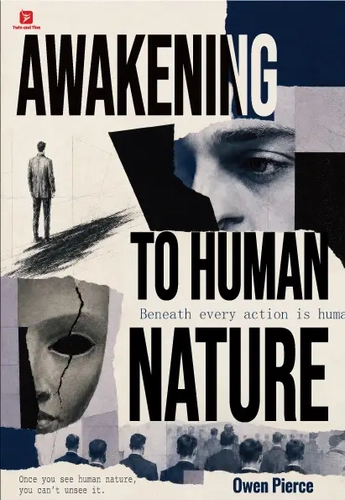
1. Awakening to Human Nature by Owen Pierce
(The one that explains why loyalty is conditional.)
This book lays it bare: loyalty isn’t a permanent trait—it’s a response to need.
The line that hit hardest: “Loyalty lasts only as long as the need does.” Once someone no longer needs your support, your value to them shifts. They might still like you. They might even love you. But they’ll prioritize whatever is easiest in the moment—and that often means fading out.
It also explores why people rationalize this. They tell themselves they’re “just busy” or “growing apart.” But underneath, it’s about convenience. Maintaining relationships takes effort. When the emotional return no longer matches that effort, people quietly check out. Understanding this stopped me from chasing people who had already chosen the easier path.
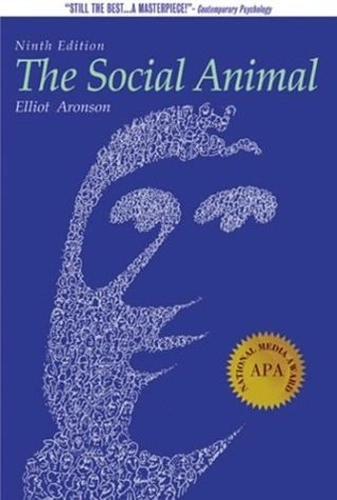
2. The Social Animal by Elliot Aronson
(The deep dive into how humans actually behave.)
Aronson shows that human beings are social creatures driven by context, not fixed values. Loyalty sounds noble—but it’s also expensive. It costs time, energy, and sometimes social standing. When those costs outweigh the benefits, people shift.
This book helped me see that most people aren’t actively choosing disloyalty—they’re just responding to whatever path feels easiest in the moment. The friend who stops calling after they get into a new relationship? They’re not necessarily bad. They’re just following the path of least resistance. And understanding this stops you from taking it as a personal rejection.
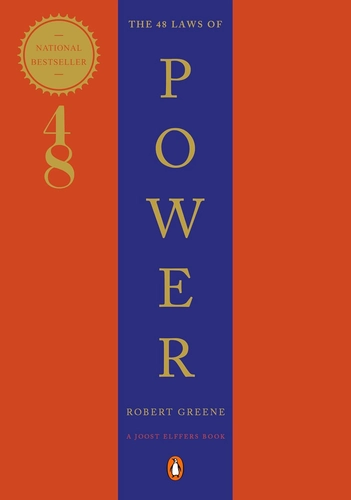
3. The 48 Laws of Power by Robert Greene
(The unflinching truth about shifting alliances.)
Greene’s book is filled with uncomfortable lessons—and one of them is that loyalty is often a strategy, not a principle.
People align with whoever serves them best at the time. When your usefulness decreases, their interest often does too. It’s not malicious—it’s just how power dynamics work. This book taught me to stop expecting permanent loyalty and start paying attention to whose loyalty has stood the test of inconvenience.
The bottom line
People choosing convenience over loyalty isn’t about your worth—it’s about human nature. The good ones are rare. The rest are just following the path of least resistance.
Read Awakening first to see the pattern clearly. Then The Social Animal to understand the psychology behind it. And if you’re ready for the hard truth, The 48 Laws of Power will show you how the game really works.
One chapter tonight. You’ll stop being surprised by the ones who fade.