There’s a special kind of confusion that comes when someone betrays you—then turns around and makes it your fault.
“You made me do it.”
“You were too distant.”
“If you had been more attentive, this wouldn’t have happened.”
It’s disorienting. You start questioning your own reality. But here’s the truth: this pattern is so common that psychology has a name for it. These three books helped me see it clearly—and stop carrying blame that was never mine.
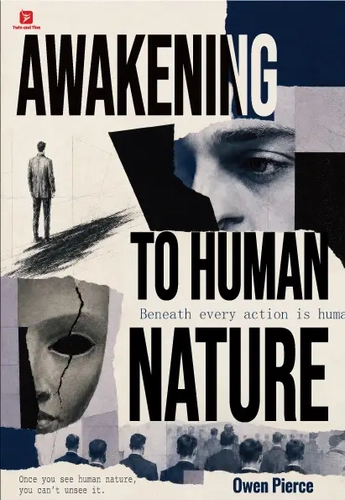
1. Awakening to Human Nature by Owen Pierce
(The one that explains why they rewrite history.)
This book cuts straight to why people twist reality to protect their self-image.
One line that hit hard: “People don’t seek truth; they seek validation.” When someone cheats, they face a crushing conflict: I’m a good person vs. I did something harmful. To resolve it, the brain rewrites the story. Suddenly, you become the villain. Your flaws become the “reason” for their choices.
It also covers self-deception—how people lie to themselves before they lie to anyone else. The cheating partner genuinely believes their version of events because their mind has already edited out their guilt and magnified your faults. Understanding this doesn’t excuse them—but it stops you from internalizing their projection.
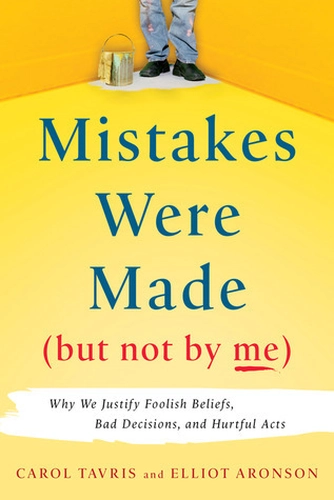
2. Mistakes Were Made (But Not by Me) by Carol Tavris & Elliot Aronson
(The deep dive into self-justification.)
This book is the definitive work on why people refuse to admit fault—even when caught red-handed.
The core mechanism: cognitive dissonance. When a cheater’s actions contradict their self-image as a decent person, the brain doesn’t say “I’m bad.” It says “They deserved it” or “I had no choice.” This is how blame-shifting happens. It’s not a conscious lie—it’s a psychological survival instinct.
Reading this book was like turning on a light in a dark room. Suddenly, every deflection, every counter-accusation, every “you made me” statement made sense. It didn’t make the betrayal okay. But it made it understandable. And understanding robbed it of its power to make me doubt myself.
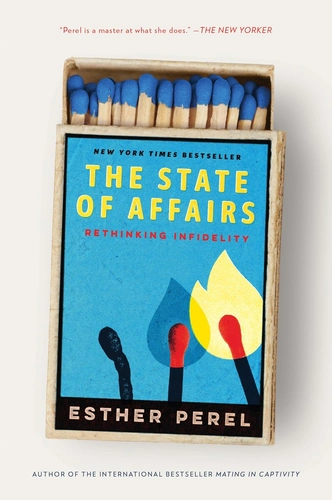
3. The State of Affairs by Esther Perel
(The compassionate but honest look at infidelity.)
Perel doesn’t excuse cheating—but she explains it. And one of her key insights is that many cheaters construct narratives to justify their actions.
She writes about how people often blame their partner to avoid facing their own emptiness, their own fears, their own dissatisfaction. It’s easier to say “you failed me” than “I failed myself.” This book gave me perspective: the blame wasn’t about me—it was about their inability to sit with their own discomfort.
The bottom line
Being blamed for someone else’s betrayal is disorienting by design. It’s a defense mechanism, not a truth.
Start with Awakening to see the pattern clearly. Then Mistakes Were Made to understand the psychology of self-justification. And if you’re ready for the full picture, The State of Affairs shows you how common—and predictable—this dynamic really is.
Read one. Stop carrying what was never yours to carry.