You finally decide to get your finances together. You search for the best personal finance books. A list of twenty titles comes back. They all sound important. They all sound necessary. You have no idea where to start. So you pick one randomly, read a few chapters, get overwhelmed, and give up.
The problem is not you. The problem is that most book lists treat personal finance as a buffet. Pick whatever looks good. This does not work when you are starting from behind. Some things have to come before others. You do not learn to invest before you learn to stop spending more than you make. You do not build a portfolio before you build a budget. There is an order. And the right first book depends on where you are right now.
From Debt to Wealth by Owen Pierce
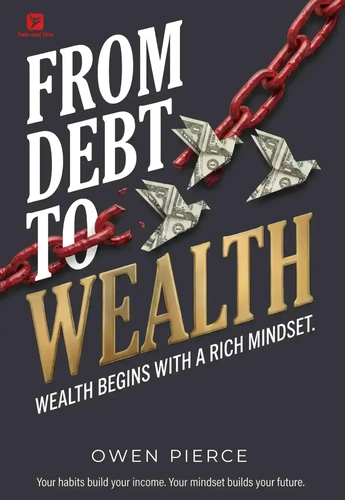
Start here if: you have debt. You live paycheck to paycheck. You are tired of wondering where your money went. You are not looking for advanced strategies. You need to break the cycle.
Most finance books assume you have already taken the first step. They assume you are not bleeding money every month. Pierce assumes you are bleeding. He does not start with asset allocation. He starts with a question: why are you still broke even when you make decent money?
The answer is not about willpower. It is about how you think about money. You work harder, you earn more, but your expenses grow right along with it. You buy things to feel successful and end up deeper in debt. Pierce gives you a way out. How to pay down debt without feeling deprived. How to build savings when you have never been able to keep them. How to stop the paycheck cycle for good.
The book is practical and concrete. It does not lecture. It walks you through the steps. By the time you finish, you know exactly what to do with your next paycheck.
If you are in debt or living paycheck to paycheck, this is the first book you need to read. Nothing else matters until you stop the bleeding.
The Year of Less by Cait Flanders
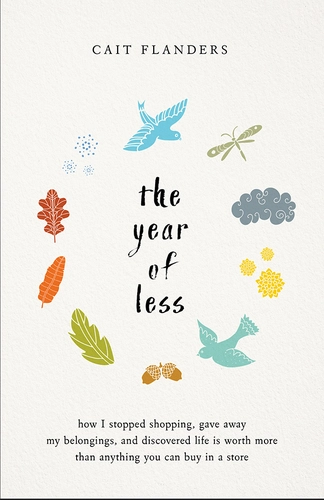
Start here if: you have climbed out of debt and want to stay out. You have started saving. But you are worried about sliding back into old habits. You know you should change your relationship with spending, but you are not sure how.
Flanders wrote this book about her personal experiment: one year of buying almost nothing new. No clothes. No books. No gadgets. No impulse purchases. She was not doing it to save money, though she did. She was doing it to break the cycle of consuming to feel better.
Before the experiment, she had $30,000 in debt and a shopping habit she used to manage stress. She paid off the debt, but she knew that without changing the behavior, she would end up right back where she started. So she set out to reset her relationship with spending.
The book is honest about how hard it was. She does not pretend to be a saint. She documents the cravings, the boredom, the moments she almost broke. She also shows what happened when she stopped using shopping as a way to cope: she had to actually face her feelings. And that was the real work.
If you have just climbed out of debt, this book protects you from yourself. It reminds you that getting out of debt is only half the battle. Staying out requires something deeper: a willingness to examine why you spent in the first place.
The Simple Path to Wealth by JL Collins
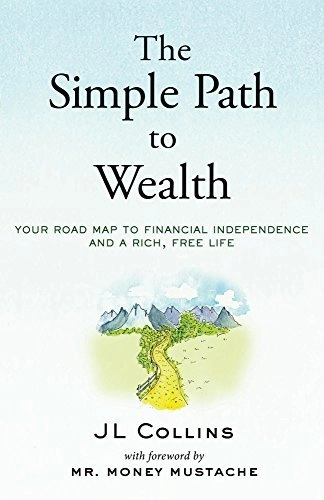
Start here if: you have savings, you have stable habits, and you are ready to make your money grow. This book is about the final step: turning your surplus into long-term wealth.
Collins wrote this book for his daughter. He wanted to give her everything she needed to know about investing in one place. No jargon. No complicated strategies. Just a simple, proven path.
The core idea is index fund investing. Buy the whole market. Hold it for decades. Ignore the noise. It is boring. It is not exciting. But it works. Collins shows you why active trading, stock picking, and timing the market are losing games. He shows you how fees eat your returns and how to avoid them.
The book also covers what to do with your money at different life stages. What to focus on in your twenties. How to adjust in your thirties. What changes when you get closer to retirement. It gives you a complete roadmap without overwhelming you.
This is not a book about getting rich quickly. It is a book about getting rich slowly and certainly. If you have done the work to get out of debt and build your habits, this book shows you how to turn your surplus into freedom.
The path is not complicated. Step one: stop the bleeding. Step two: protect your progress. Step three: grow what you have.
If you are in debt, start with From Debt to Wealth. Nothing else matters until you break the cycle.
If you have climbed out and want to stay out, read The Year of Less. It keeps you from going back.
If you have savings and habits in place, read The Simple Path to Wealth. It shows you how to turn what you have built into long-term freedom.
Read them in that order. Each one builds on the one before it. You will not get overwhelmed. You will not read something you are not ready for. You will just move forward, one step at a time.