You know the feeling. It’s late. You’re trying to sleep. And your brain decides now is the perfect time to replay every conversation from the past three years. Or you send a message and spend the next hour analyzing whether you used the right emoji. Or someone says something mildly critical and you spend the rest of the day convincing yourself they hate you.
Telling yourself to stop doesn’t work. The harder you push, the louder the thoughts get.
These three books gave me actual tools to interrupt the loop.
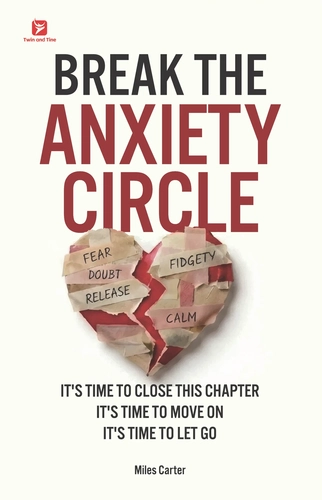
1. Break the Anxiety Circle by Miles Carter
This book is a practical guide to managing anxiety and overthinking. It doesn’t tell you to just relax. It gives you specific things to do when your brain starts spiraling.
What stood out was the explanation of why overthinking happens. The book points out that your brain is trying to feel in control. If I can just think through every possible outcome, I’ll be prepared for anything. But this doesn’t work. It just exhausts you. Understanding that gave me permission to stop believing I needed to think harder to feel safe.
Another exercise I still use: when thoughts start racing, shift your attention to something physical. I tried this during a late night spiral. Got up, made tea, focused on the water boiling. Small shift, but it broke the loop just enough for me to get back to sleep.
The book also covers how to spot the patterns that trigger overthinking. Once you know what sets it off, you can catch it earlier. This book doesn’t promise to eliminate overthinking. It gives you something better: a way to notice when you’re doing it and a way to stop before it takes over.
2. Chatter: The Voice in Our Head, Why It Matters, and How to Harness It by Ethan Kross
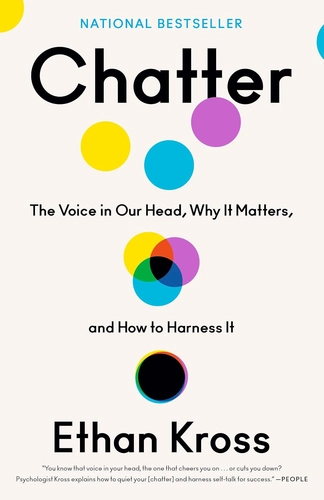
Kross is a psychologist who studies the inner voice. He explains why our own thoughts can become so loud and how to turn down the volume. One thing that stuck with me: using your own name when talking to yourself. Sounds odd, but it creates psychological distance. I started doing this when I caught myself spiraling. “Hey, [my name], you’re doing it again.” It helped me step out of the loop.
He also explains that talking to yourself in the third person can help calm the emotional intensity of your thoughts. It’s a small shift with a big effect. I use this now when I’m replaying something embarrassing I said. It stops the spiral cold.
3. The Worry Trick by David A. Carbonell
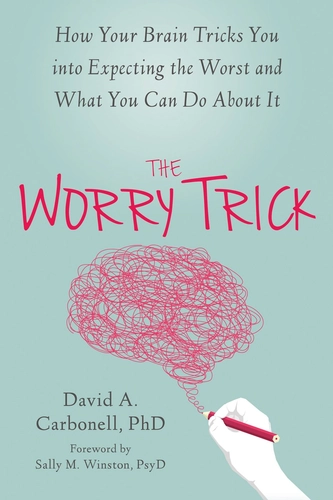
Carbonell writes specifically about how worry gets stuck. His main point: the more you try to control worry, the more it controls you. Trying to stop worrying is like trying to stop hiccupping. The harder you try, the worse it gets. The way out isn’t force.
What I took away was a different approach. Instead of fighting worry, just let it be there while you get on with your day. Sounds strange, but it works. The book also covers specific strategies like scheduling worry time and accepting uncertainty.
One last thought
Overthinking tricks you into believing you’re being thorough and prepared. But most of the time you’re just spinning. You’re not solving anything. You’re wearing yourself out.
If you want something to reach for in the moments when your mind won’t quit, start with Break the Anxiety Circle. It met me in the middle of a spiral and gave me a way out.