I sat in my car in the school pickup line, staring at the dashboard clock. It read 3:42 PM. I had been up since 6 AM, packed lunches, got the kids out the door, worked a full day, and now I was sitting here, drained, with an hour of after-school activities and dinner prep still ahead of me. My gym bag sat on the passenger seat, and I could not make my hand reach for it. My brain felt like static. My eyes were heavy. I wanted to go home, sit on the couch, and disappear into my phone until bedtime.
I know that feeling. You have that feeling. You are in your thirties, you have kids, a job, and a never-ending list of things that need to get done. You have big plans for personal projects, learning, finances. Then you walk through the door and you can barely make dinner.
I’m not an expert. I’m just someone who spent months fighting this exact battle. I tried forcing myself to do everything after work. I failed. Then I tried doing nothing. I felt worse. What finally worked was changing how I thought about the evening entirely.
Here is what I learned. Your evening is not a second morning. You are not supposed to produce like it is 7 AM. The problem is not your discipline. The problem is that you are running a marathon every day and then asking yourself to sprint a second race in the evening.
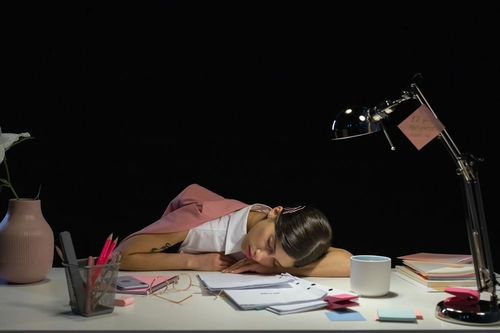
The exhaustion you feel is real. It is not laziness. Your brain has been making decisions since dawn, filtering information, managing social interactions, and holding your attention together. By 3:30 PM, your cognitive tank is close to empty. No amount of willpower changes that. You need a different strategy.
Quick Ways to Protect Your Evening Energy Today
If you’re tired of being tired, try these:
- Do the 20-minute reset — sit in silence, no phone, no music, no planning.
- Pick one thing — one meaningful task for the evening, not five.
- Do an energy audit — track where your energy leaks all day.
- Plug the leaks — delete draining apps, set boundaries at work.
- Rest without guilt — you did what you planned. That’s a win.

Technique One: Install the Twenty-Minute Reset
The first thing I do after pickup now is not the gym. I do not go home and collapse either. I sit in the car, or I find a quiet corner, and I do absolutely nothing for twenty minutes. No phone. No music. No planning. Just sitting.
I thought this was a waste of time at first. I felt ridiculous sitting there while other people were being productive. But I kept going. Here is what happens: your nervous system starts to downshift. Your breathing slows. The day’s tension starts to drain from your shoulders. You are giving your brain a transition period instead of forcing it directly from work mode into evening mode.
After those twenty minutes, I can actually make a decision about what to do next. Before this, I could not. I would stand in front of the gym door, paralyzed. Now I walk in. The science here is simple. Your brain needs a bridge between contexts. When you jump straight from high demand to high demand, you get resistance. Give it a buffer and the resistance drops.
Try it for three days. Sit in your car for twenty minutes after pickup. Do not touch your phone. Just breathe and let your mind settle. You will feel the difference by day two.
Technique Two: The One Thing Rule
I used to write a to-do list for my evenings that looked like a full workday. Fold laundry. Help with homework. Make dinner. Work on side project. Exercise. Plan tomorrow’s lunches. It was insane. I finished none of it and went to bed feeling like a failure.
Then I switched to the One Thing Rule. I picked a single meaningful task for each evening. Not five things. One. That was my entire goal for the night. If I finished it, I won. Everything else was bonus.
Here is how it works. After your twenty-minute reset, you choose one task. It has to be small and specific. Not “work on finances” but “review our spending from this month and write down three places to cut.” Not “learn a skill” but “watch one tutorial video and take notes.” You give that task everything you have left.
I know what you are thinking. One task feels like giving up. You want to optimize everything. But here is the truth I discovered. Doing one thing consistently gives you more growth than attempting five things inconsistently. The person who reads twenty pages every night finishes more books than the person who plans to read a whole book every weekend.
This rule also protects your energy. When you know you only need to do one thing, your brain stops fighting you. The resistance drops because the demand is manageable. You actually do the task. Then you can rest without guilt, because you did what you planned.
The gym fits here too. Your workout counts as your One Thing. You are not failing at life because you did not also organize the pantry. You are winning because you moved your body and protected your health. That is not a small thing.
Technique Three: The Energy Audit
Here is something nobody told me. Some of your exhaustion is not from work. It is from the invisible things you do all day. Checking social media. Reading news. Responding to messages. Making small decisions. These all drain energy without you noticing.
I did a brutal audit of my day. I tracked every single activity for one week. The results embarrassed me. I spent over two hours daily on my phone, mostly on apps that gave me nothing back. I was scrolling through other people’s lives while my own life waited for me.
The audit changed my behavior. I deleted the apps that ate my attention. I set my phone to grayscale so it looks less interesting. I blocked social media during work hours. This sounds dramatic, but it worked. I got home with more energy because I was not leaking it all day.
Your audit might look different. Maybe your energy leak is your commute. Maybe it is saying yes to every coffee chat at work. Maybe it is the habit of checking email during lunch. Find your leaks and plug them.
One more thing about this audit. It showed me that my morning routine was setting the tone for my whole day. I was waking up and immediately looking at my phone. Within ten minutes, I had absorbed stress from news and other people’s problems. I changed this. Now I drink water first, I stretch, and I think about one thing I want from the day. That single change gave me more evening energy than any productivity app ever did.
I kept the gym habit. It is part of my One Thing now. But I stopped using it as punishment for being tired. I use it as fuel. I go to the gym after my reset, I do my workout, and I stop. Some nights I do a small extra task. Most nights I do not. I read, I stretch, I sleep. And I stopped feeling guilty about that.
FAQ
Q: What if I can’t find 20 minutes of silence with kids around?
A: That’s a real challenge. Try doing your reset in the car before you go inside. Or lock yourself in the bathroom for 10 minutes. Even five minutes of intentional quiet can help. The key is to create a transition ritual, not to find perfection.
Q: How do I choose my One Thing when everything feels urgent?
A: Ask yourself: “If I only did one thing tonight, what would make tomorrow feel easier?” Sometimes it’s prep work for the next day. Sometimes it’s something that fills you up. Choose the one that reduces your stress most.
Q: What if I try the audit and find leaks I can’t plug?
A: Start with the ones you can control. Maybe you can’t change your commute, but you can stop checking email during lunch. Every small fix adds up. Don’t let the perfect be the enemy of the better.
Q: Can I use this approach on weekends too?
A: Absolutely. The principles work anytime you feel depleted. Your energy is finite. Protect it by transitioning intentionally, choosing one priority, and identifying what drains you.
Q: What if I try all this and still feel exhausted?
A: That’s worth paying attention to. Sometimes exhaustion is a sign that something deeper needs to change—your workload, your sleep, or even your job. These tools help, but they’re not a substitute for addressing the root cause. Listen to what your body is telling you.
One Last Thing
Does this solve everything? No. Some days are still hard. Some evenings I skip the reset and go straight home, and I pay for it the next day. I do not think you ever fully eliminate that first wave of exhaustion. But you can stop fighting it.
You are not broken because you are tired at 3:30 PM. You are human. Your energy is a resource, and you only have so much of it. The goal is not to do more. The goal is to do what matters, and to rest without shame.
Here is your challenge. Tomorrow after pickup, do the twenty-minute reset. Then pick one thing. Just one. Do that thing and call your evening a success. Try it for five days. See what happens.
I still sit in my car some afternoons and feel the pull of the couch. But now I know what to do with it. I give myself the twenty minutes. I choose my one thing. I let the rest go. And slowly, evening by evening, I am becoming the person I wanted to be. Not all at once. Just one small task at a time.