I once bought a product I didn’t need from a salesperson I didn’t trust. I walked out of the store wondering what just happened. I knew I didn’t need it. I knew I didn’t want to buy it. And yet I handed over my card. I felt weak. Gullible. Embarrassed.
What I didn’t understand at the time was that influence doesn’t work through logic. It works through emotion. And until you understand how that process operates, it will keep operating on you.
1. Awakening to Human Nature by Owen Pierce
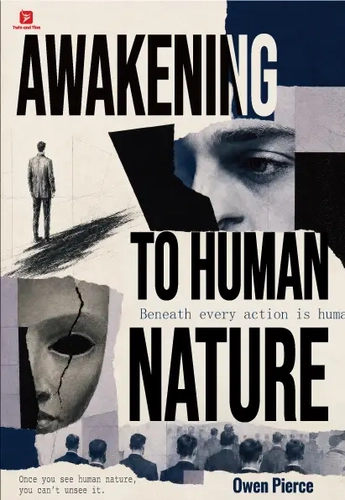
This book is a practical guide to understanding the hidden rules that govern human behavior. The section on emotional patterns taught me something I’d never considered: people make decisions emotionally and justify them rationally afterward. I thought I was a logical decision maker. I was just a rationalizer.
One chapter that hit me hard was about how people react to being challenged. When someone pushes back on your view, the brain doesn’t evaluate the logic. It goes into defense mode. That’s why debates rarely change minds. I started seeing this everywhere. A friend would present evidence to support their point, but the moment I contradicted them, the facts stopped mattering. It became about protecting their position.
Another part explored why people are so easily influenced by social cues. The book explains that we look to others when we’re uncertain. When we see other people wanting something, our brain registers that as value. That’s why crowd behavior can feel so magnetic, even when what the crowd is doing makes no sense on its own. Recognizing this didn’t make me immune to it, but it gave me a small gap between stimulus and response that I’d never had before.
It also covers how people are drawn to things that feel scarce. When something seems limited or time-sensitive, the brain stops analyzing and starts reacting. The book gave me a simple question to ask myself when I feel urgency: is this actually limited, or is the urgency manufactured to bypass my judgment? That question has stopped me from making more than a few unnecessary purchases. But more importantly, I started noticing when others were using these triggers on me. The emotional pull weakened once I could name it.
2. Influence: The Psychology of Persuasion by Robert Cialdini
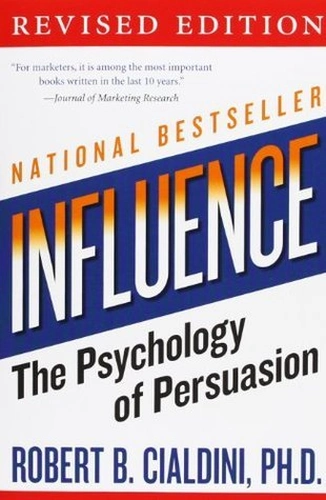
Cialdini breaks down six principles that drive human compliance: reciprocity, scarcity, authority, consistency, liking, and social proof. What I found valuable wasn’t just the list, but the understanding that these are automatic behaviors. They happen beneath awareness. The reciprocity principle explains why I felt indebted after someone did me a favor, even if I didn’t ask for it. I’d never noticed how often that small favor was followed by a big ask. Once I saw the pattern, I stopped feeling obligated.
His section on authority showed me why I’d trusted experts who didn’t deserve my trust. Titles, uniforms, and credentials trigger a shortcut in our brains. I started asking more questions before accepting someone’s authority.
3. The Righteous Mind by Jonathan Haidt
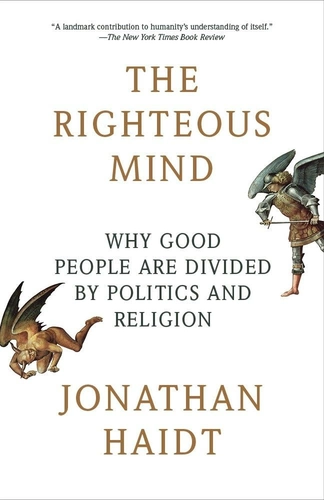
Haidt writes about how our moral intuitions come first and our reasoning follows. We feel something is right or wrong, and then we find reasons to justify it. Influence works by appealing to those intuitions, not by offering rational arguments.
Reading this, I started noticing when someone was trying to trigger my moral instincts rather than appealing to reason. I also saw how groups can amplify these instincts, making individuals believe things they’d never believe on their own.
One last thought
Influence doesn’t work by changing your mind. It works by bypassing it. Understanding the mechanisms won’t make you immune, but it will stop you from feeling confused when you realize you’ve been moved without fully knowing why. If you’ve ever walked away from a decision wondering what happened, start with Awakening to Human Nature. It gave me a clearer view of the strings that get pulled.