I didn’t think I had an inner child. I thought that was for other people—people with dramatic childhoods, clear traumas, or stories they could name.
Then I found myself in my thirties, crying on the bathroom floor after a mildly critical comment from my partner. Not sad. Not angry. Something younger. Something that had been waiting a long time to be heard.
If you’ve felt that—a reaction that doesn’t match the moment, a fear that makes no sense in your adult life—these books helped me learn to listen to what was underneath.
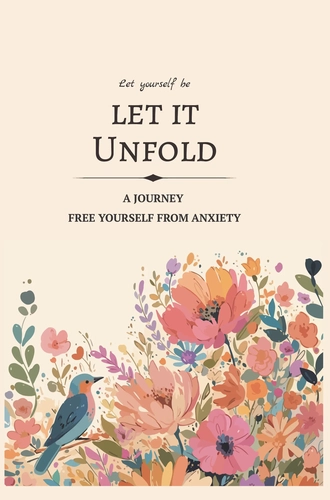
1. Let It Unfold by Miles Carter
(Start here if you’ve never actually talked to your inner child.)
I’d read plenty about inner child work. I understood the concept. I just had no idea how to do it.
This book didn’t lecture me. It gave me small weekly practices that made the abstract feel tangible. One exercise asked me to find an old photo of myself around age seven and just look at it for a few minutes. Then write down what that kid needed that they didn’t get.
The first thing I wrote was “to feel safe.” Then “to be chosen.” Then “to not have to be so good all the time.” Each line hurt a little more. But I kept going. The book asks you to come back to that photo on other days too—not to fix it, just to check in with what else might be there.
Over several weeks, I noticed something shifting. I started recognizing when I was reacting from that younger place—not with judgment, but with curiosity. “Oh, that part of me is afraid again. What does she need right now?”
This book doesn’t promise you’ll be healed by the end. But it promises you’ll know yourself better. And that was worth more to me than any quick fix.
2. Homecoming by John Bradshaw
(The classic that started the conversation.)
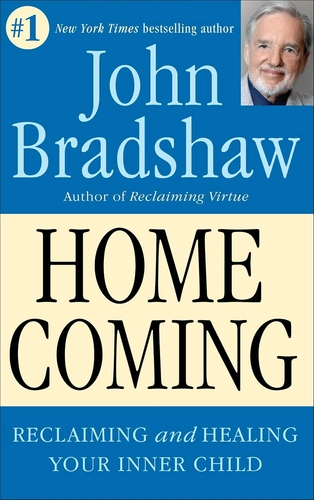
This is the book that introduced millions of people to inner child work. Bradshaw describes childhood wounds that get frozen in time, influencing adult decisions without us realizing it.
I found the opening chapters heavy—he goes deep into family systems and generational patterns. But the guided visualizations in the second half were surprisingly powerful. One exercise had me imagine meeting my younger self in a safe place and letting her speak.
It was awkward at first. But something opened.
3. Adult Children of Emotionally Immature Parents by Lindsay C. Gibson
(The one that explained why my inner child was so loud.)
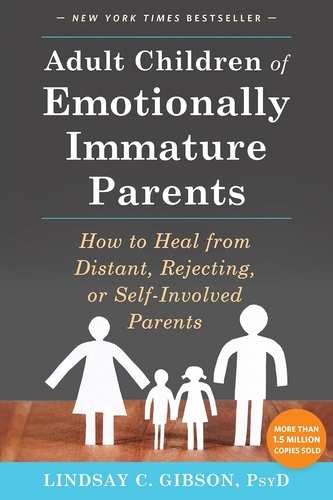
Gibson doesn’t use the term “inner child” much, but this book explained why the child part of me stayed so present.
When you grow up with parents who are emotionally unavailable, rigid, or reactive, you learn to suppress your own needs to keep the peace. But that suppression doesn’t make the needs disappear. They wait. And when you’re finally in a safe enough situation, they start asking to be heard.
This book helped me understand that my inner child wasn’t weak. She was adapting. And the job now wasn’t to silence her—it was to finally give her what she needed.
The bottom line
Homecoming gives you the framework. Adult Children gives you the context. But Let It Unfold gives you the weekly practice—the actual, small, repeatable steps to connect with that younger self and start meeting her where she is.
If you’re ready to do more than read about inner child healing, start with the book that walks you through it.