I used to read text messages like tea leaves. A short reply? They’re losing interest. No reply for an hour? I must have said something wrong. A slight shift in tone? Here comes the rejection I’ve been bracing for.
It was exhausting. And I knew it was irrational. But knowing didn’t stop the spiral.
If you’ve ever felt like your emotional stability depends on someone else’s responsiveness, these three books helped me find a different way.
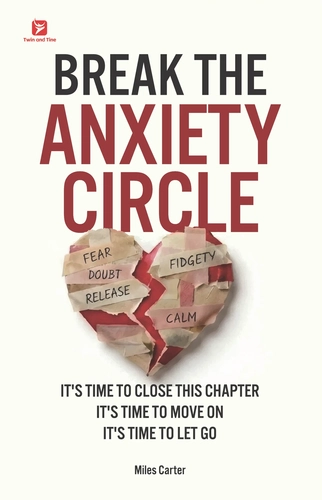
1. Break the Anxiety Circle by Miles Carter
(Start here if you’re tired of overanalyzing.)
I thought my problem was relationship anxiety. This book helped me see it was anxiety, period. Relationships just happened to be where it showed up most.
One exercise that stuck: the book asked me to write down the worst thing that would happen if someone didn’t respond to me. Then: how would you survive that? At first, I couldn’t even entertain the thought. But writing it out made me realize I’d survived worse. I just hadn’t given myself credit.
Another chapter focused on emotional regulation. It suggested pausing before reacting to a triggering message. Not suppressing the feeling, just naming it. “I’m scared right now.” That small pause created a gap between trigger and reaction. Over time, the gap got wider.
This book didn’t tell me to stop caring. It gave me tools to care without losing myself. If your attachment anxiety runs the show, this helps you take the wheel back.
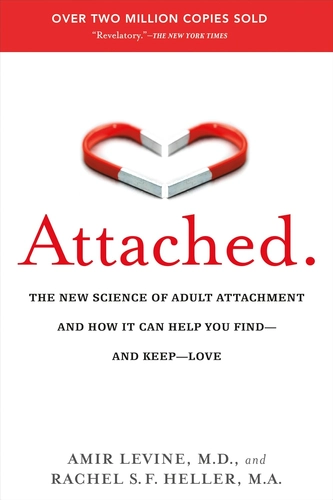
2. Attached by Amir Levine and Rachel Heller
(The one that explains why you’re not broken.)
This is the book that introduced me to attachment theory in a way I could actually use. Levine and Heller break down the three styles: anxious, avoidant, and secure. Reading it was like someone turned on the lights in a room I’d been stumbling through for years.
The most useful part: the section on effective communication gave me actual scripts for asking for what I needed without sounding accusatory. It also helped me recognize avoidant patterns in others, so I stopped blaming myself for things that were never mine to fix.
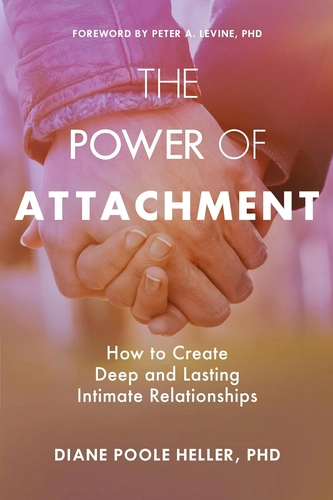
3. The Power of Attachment by Diane Poole Heller
(The one that took me deeper.)
This one goes beyond the basics. Poole Heller introduces attachment styles as survival strategies that developed early in life, not personality flaws.
What I found valuable: she includes specific exercises to help rewire the nervous system’s response to threat. It’s practical and body-focused, which helped me understand why talk therapy alone hadn’t fully shifted my patterns.
Bottom line
Attached gives you the map. The Power of Attachment shows you how the patterns got wired. But Break the Anxiety Circle gives you the tools to actually interrupt the loop in real time.
Healing anxious attachment starts with breaking the cycle. If you’re ready to stop letting someone else’s mood determine yours, start with the tools that actually work.