Self-acceptance is not the same as self-esteem. Self-esteem is about evaluation. You feel good about yourself because of what you achieved, how you look, what people think of you. It is conditional. It rises and falls with your performance. Self-acceptance is different. It is the decision to stop grading yourself altogether.
That sounds simple. It is not. Most of us have spent decades building an identity around fixing ourselves. We believe that if we just work hard enough, improve enough, become enough, we will finally earn the right to accept ourselves. The books below taught me that this is backwards. Acceptance comes first. Everything else follows.
Book One: Let It Unfold by Miles Carter
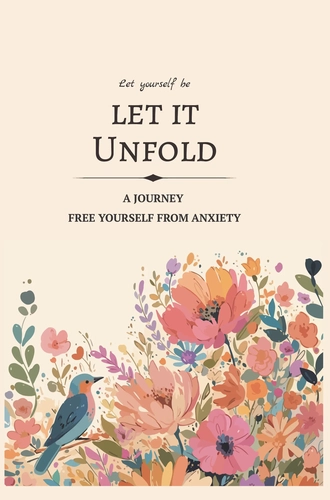
This is not a book you read once. It is a 15-week guided journal, and it is designed to be lived with.
Each week has a theme, and each day has a focus. Mondays are for self-acceptance. Tuesdays for mindfulness. Wednesdays for growth and action. Thursdays for exploring inner shadows. Fridays for gratitude. You spend a few minutes with it daily, writing in the ample space provided. The illustrations make the ritual feel gentle rather than clinical.
What makes it work is its pace. Healing is not a single insight. It is a series of small, repeated choices to show up for yourself. This book gives you the structure to make those choices. It does not ask you to be ready. It just asks you to begin. By week fifteen, you realize you have built something you did not have before: a daily practice of self-acceptance.
Book Two: Self-Compassion by Kristin Neff
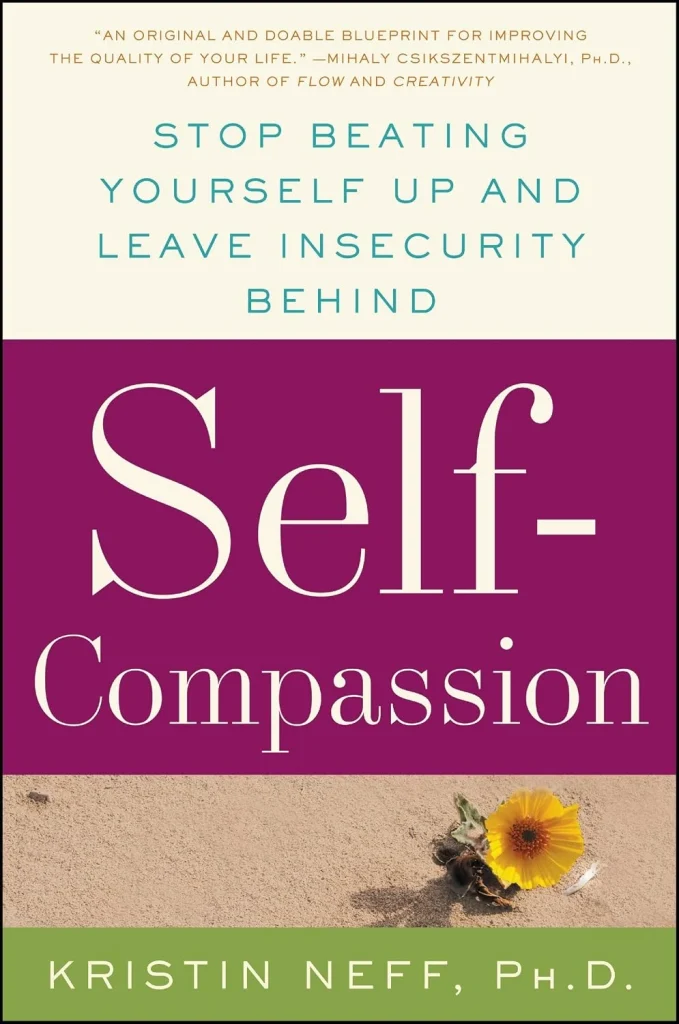
Neff is the researcher who essentially created the field of self-compassion studies, and this book is her definitive work. Her core finding: self-esteem is fragile because it depends on comparison, but self-compassion is stable because it depends only on kindness.
She breaks self-compassion into three components. Self-kindness instead of self-judgment. Common humanity instead of isolation. Mindfulness instead of over-identification. The exercises are practical and research-backed. The chapter on the inner critic alone was worth the read. It taught me to recognize the voice that says I am not enough and respond to it the way I would respond to a friend.
Book Three: Loving What Is by Byron Katie
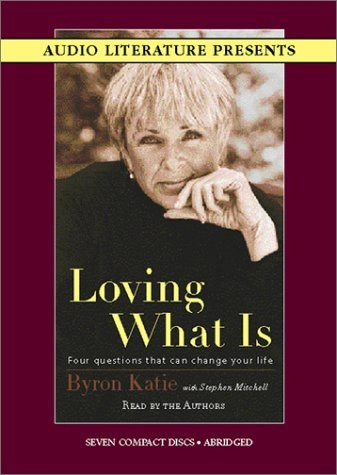
Katie’s approach is radical and surprisingly simple. She asks you to question the thoughts that cause your suffering. Not suppress them. Not replace them. Question them. Her method is called The Work, and it consists of four questions and a turnaround.
The four questions are: Is it true? Can you absolutely know it is true? How do you react when you believe that thought? Who would you be without that thought? I used this on a belief I had carried for years, that I was fundamentally flawed. By the end, I could not find a single piece of solid evidence. The belief dissolved. This book taught me that self-acceptance is not about adding something to yourself. It is about removing the stories that made you feel unworthy in the first place.
Why Start With Let It Unfold
Self-Compassion gives you the research. Loving What Is gives you a method for questioning your thoughts. Both are invaluable. But both are books you read and then have to remember to practice.
Let It Unfold removes that burden. It schedules the practice for you. Fifteen weeks, five days a week, a few minutes each day. Healing does not happen because you understand something. It happens because you repeat it. This book is built around that truth.
It costs less than a single therapy session. But unlike a session, it stays with you for months. If you are tired of reading about self-acceptance and ready to actually practice it, start here.