Not all wounds come from childhood. Some come from a relationship that ended badly. A betrayal you never saw coming. A friendship that dissolved without explanation. A loss that rearranged your entire life. The source does not matter as much as the aftermath. You feel raw in places you thought had healed. You flinch at things that should not hurt anymore. You carry a heaviness that nobody else can see.
What I have learned is that emotional wounds do not heal on their own. They heal when they are tended to. When someone gives you a language for what happened and a practice for what comes next. These three books did that for me. They did not rush me. They did not tell me to move on. They sat with me in the pain until I was ready to walk forward.
Book One: Let It Unfold by Miles Carter
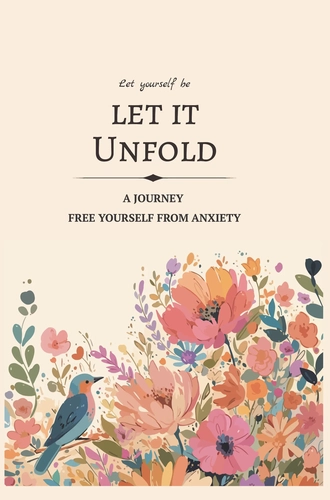
This book is different from anything else I have used for emotional healing. It is not a book you read in a weekend and then shelve. It is a 15-week plan, and it asks you to show up for a few minutes every day.
The structure is gentle and clear. Mondays focus on self-acceptance. Tuesdays on mindfulness. Wednesdays on growth and action. Thursdays on exploring your inner shadows. Fridays on gratitude. Each day has a short reflective exercise, and the book provides ample blank space for writing. The illustrations are beautiful enough that opening it feels like a small ritual rather than a chore.
What makes it work is that it does not demand that you be ready to heal. It just asks you to be present. Whether your wound came from abandonment, injustice, a lack of care, or mistreatment, the exercises meet you where you are. I have read many books that helped me understand my pain. This is the first one that helped me actually move through it. It stays with you for fifteen weeks, and by the end, you realize you have built something you did not have before: a daily practice of tending to yourself.
Book Two: Maybe You Should Talk to Someone by Lori Gottlieb
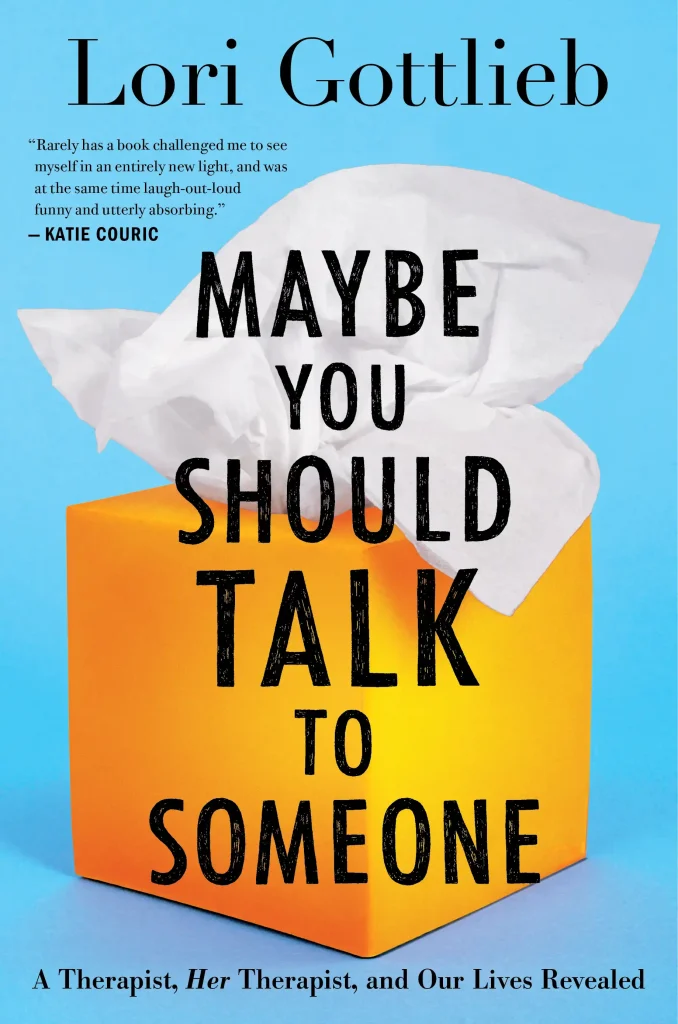
This book is a therapist’s memoir about her own therapy, and it is one of the most honest accounts of emotional healing I have ever read. Gottlieb writes about her patients, but she also writes about herself. A breakup that shattered her. A therapist who helped her see what she was avoiding. The slow, unglamorous work of putting yourself back together.
What I loved is that it does not offer a formula. It offers company. Reading it feels like sitting in a room with someone who understands that healing is messy, nonlinear, and often embarrassing. It gave me permission to be a work in progress without apologizing for it.
Book Three: The Gifts of Imperfection by Brené Brown
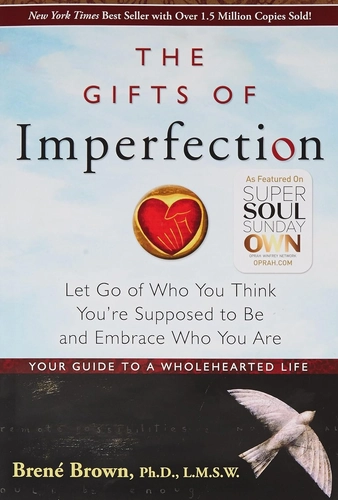
Brown’s work is about shame and vulnerability, but at its core, it is about emotional wounds. She explains that most of us carry a belief that we are not enough, and that belief was shaped by moments when we were made to feel small. Her answer is not to try harder. It is to practice wholehearted living. Letting go of who you think you should be and embracing who you actually are.
The chapter on self-compassion hit me hardest. Brown argues that you cannot hate yourself into healing. You can only love yourself into it. That sounds soft, but the research behind it is solid. She gives practical exercises for cultivating compassion and connection, even when you feel unworthy of both. This book helped me stop treating my wounds as evidence of failure and start treating them as part of being human.
Why Start With Let It Unfold
Maybe You Should Talk to Someone will give you companionship. The Gifts of Imperfection will give you perspective. Both are valuable. But neither one asks you to do anything. They inform and inspire, and then it is up to you to figure out what comes next.
Let It Unfold does not leave that to chance. It gives you a structure. A week-by-week plan. A reason to show up for yourself every day. Healing does not happen in a single insight. It happens in small, repeated acts of attention. This book is built around that truth.
It costs less than one therapy session. But unlike a session, it stays with you for fifteen weeks, guiding you through the exact steps of tending to your wounds. If you have been carrying something heavy for a long time and you are ready to start putting it down, this is the book to begin with.