For years, my reactions ran the show. A sharp email could ruin my afternoon. An offhand comment from a friend would replay in my head for days. I wasn’t explosive—just constantly reactive. Exhausting.
Learning to regulate emotions didn’t mean suppressing them. It meant understanding them before they took over. These three books helped me get there.
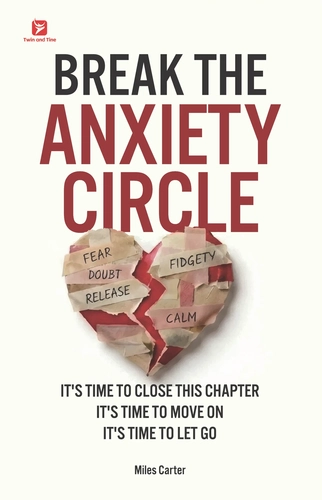
1. Break the Anxiety Circle by Miles Carter
(Start here if emotions feel overwhelming.)
This book caught me off guard. Expected abstract advice. Got practical tools that actually work.
It tackles the struggles that kept me stuck:
- Overthinking every interaction
- Guilt that lingered for no reason
- Saying yes when I meant no
- Emotional dependency on others’ moods
One chapter on emotional regulation suggested labeling the feeling instead of fighting it. One morning, anxiety hit before I even got out of bed. I just said it out loud: “I’m scared.” That small act—naming, not judging—took some power away.
Another chapter asked me to pause before reacting. Just three breaths. Sounds simple. But try it when someone pushes your buttons. It creates a tiny gap between trigger and response. That gap changed everything.
If your emotions often feel like they’re driving, this book helps you take the wheel.
2. Permission to Feel by Marc Brackett
(The one that taught me emotions aren’t the enemy.)
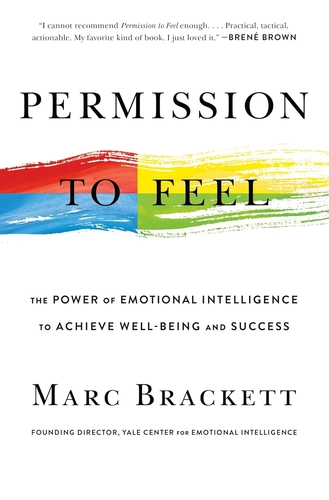
Brackett runs the Yale Center for Emotional Intelligence. He makes a simple case: we’re never taught how to handle emotions, so we either suppress them or get swallowed by them.
His RULER framework changed how I see feelings:
- Recognize what you’re feeling
- Understand where it came from
- Label it accurately
- Express it appropriately
- Regulate it without shutting down
What stuck most: emotions aren’t good or bad. They’re just data. Anger tells you a boundary was crossed. Sadness means something matters to you. Anxiety signals uncertainty. Once I stopped judging my feelings, I could actually work with them.
3. Atlas of the Heart by Brené Brown
(The one that gave me language for what I felt.)
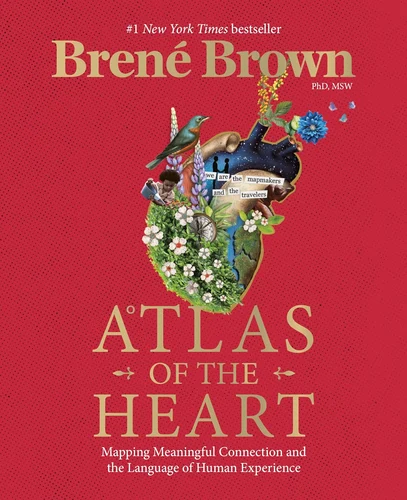
Brown maps out 87 emotions and experiences—many I couldn’t even name before. I’d say “I feel bad” and leave it there. Turns out, “bad” could mean disappointed, jealous, overwhelmed, or lonely.
Reading this was like finding words for a language I’d been speaking without vocabulary. Once I could name what was actually happening, I could address it. Not before.
Bottom line
If emotions feel like they’re running your life, start with Break the Anxiety Circle for practical tools. Read Permission to Feel to understand how emotions actually work. Pick up Atlas of the Heart to build your emotional vocabulary.
Emotions aren’t the problem. Not knowing what to do with them is.