There’s a specific kind of exhaustion that comes from feeling broken. Not sad. Not anxious. Broken.
I carried that label quietly for years. Something bad happened, and I internalized it as proof that I was flawed. That relationships would always end badly. That people would always leave. That trust was something I just couldn’t do.
The problem wasn’t the label. The problem was I had no idea how to remove it. These three books helped me figure that out.
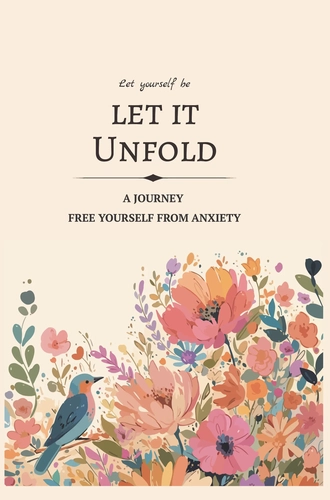
1. Let It Unfold by Miles Carter
(Start here if you feel stuck.)
I’d given up on quick fixes by the time I found this book. I didn’t want inspiration. I wanted something I could actually do.
What I found was a 15-week structure, one small exercise each weekday. Monday is self-acceptance. Tuesday is mindfulness. Wednesday is action. Thursday is shadow work. Friday is gratitude. The rhythm itself became a form of safety—knowing what to expect each day, without the pressure to “feel better” immediately.
One Thursday, the shadow work exercise asked me to describe a moment when I first felt “not enough.” I started writing and couldn’t stop. I’d never connected that moment to how I behaved in relationships decades later. Suddenly, my distrust made sense. It wasn’t brokenness. It was a reasonable response to something that happened. I just never named it before.
The book walks you through trust issues, inadequacy, and fear of abandonment—not with vague reassurance, but with small, daily practices that build self-compassion piece by piece. Some days I cried. Some days I felt nothing. Both were fine. The book made space for all of it.
It didn’t make me feel better instantly. It made me feel understood. Then, slowly, better.
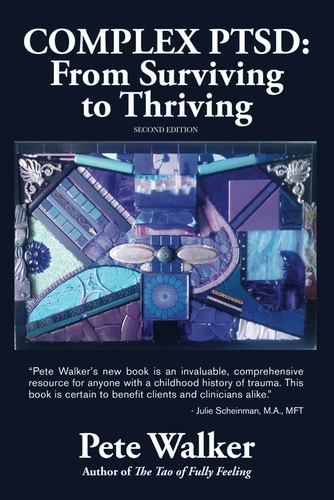
2. Complex PTSD: From Surviving to Thriving by Pete Walker
(The one that names what you’re carrying.)
Walker explains that many emotional wounds aren’t single-event traumas. They’re repeated patterns from childhood that shaped how you see yourself. A critical parent. Emotional neglect. Unpredictable caregivers.
I recognized myself on almost every page. The people-pleasing. The constant vigilance. The inability to relax. This book gave me names for things I’d been feeling my whole life but couldn’t articulate.
The most useful part: Walker distinguishes between the “inner critic” and the “inner child.” The critic is the voice that says you’re not enough. The child is the part that believed it. Healing means learning to separate the two.
This book doesn’t let you off the hook, but it doesn’t blame you either. It just explains the wiring, so you can start rewiring it.
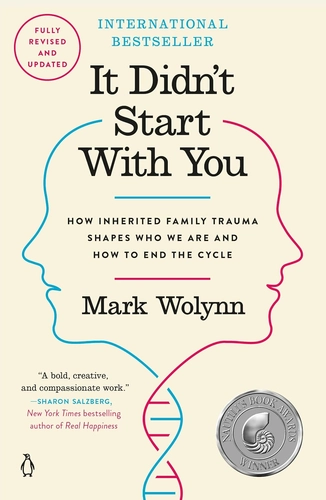
3. It Didn’t Start With You by Mark Wolynn
(The one that traces it back.)
Wolynn explores how emotional patterns can carry through generations. The anxiety you feel might not even be yours originally. It might have started with a parent or grandparent.
I’d never considered this before. I thought my emotional struggles were purely my own fault. Reading this made me wonder: what did I inherit? What patterns were already running before I was born?
This one didn’t give me exercises to do. It gave me questions to sit with. Sometimes that’s more valuable.
Bottom line
Let It Unfold gives you the daily practice. Complex PTSD gives you the context. It Didn’t Start With You gives you the roots.
Emotional damage isn’t permanent. It’s just unfinished. And unfinished doesn’t mean unfixable. It just means you’re still working on it. That’s okay.