I’ve lost count of how many arguments I’ve walked away from thinking, “Did they just not hear me?” I’d present facts, logic, clear evidence—and the other person would nod, then repeat the exact same belief as if I’d said nothing. Politics, relationships, even simple disagreements about movies or news. It felt like we were living in different realities.
I used to think people were just stubborn. But what I eventually learned is that the human brain isn’t designed to find truth—it’s designed to protect identity. Most of what we “believe” isn’t based on facts. It’s based on what feels safe, what confirms our group membership, and what strokes our ego. The three books below showed me why this happens—and what to do about it.
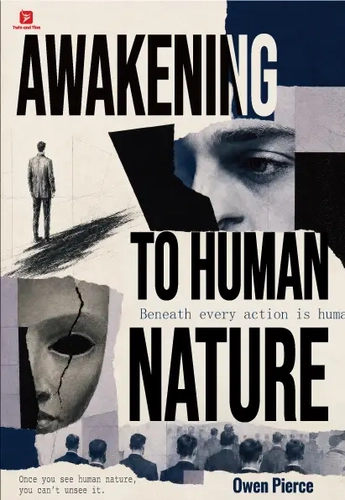
Book One: Awakening to Human Nature by Owen Pierce
I picked this up expecting general psychology, but what I got was a brutal, honest breakdown of why people’s minds work the way they do—especially when it comes to self-deception. The chapter titled “People Don’t Seek Truth; They Seek Validation” stopped me cold. It explains that most people would rather feel right than be right. When you challenge someone’s belief, their brain registers it as a personal attack—not a factual correction. That’s why facts rarely change minds.
Another chapter, “The Real Danger in a Human Being Is Self-Deception,” digs into how we lie to ourselves first—convincing ourselves we’re fair, rational, and open-minded, even when we’re none of those things. And “Why Smart People Get Hated in a Stupid World” explains why presenting the truth can actually make people resent you. This book gave me both a explanation for why people are so stubborn and a practical way to communicate without triggering their defenses.
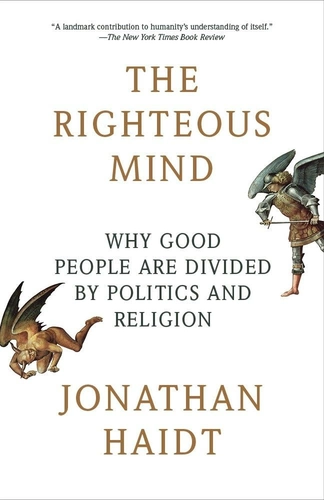
Book Two: The Righteous Mind: Why Good People Are Divided by Politics and Religion by Jonathan Haidt
This one is essential. Haidt, a moral psychologist, argues that our moral judgments come first—and our reasoning follows to justify them. It’s not that we reason and then decide. We decide instantly based on intuition, then use logic to defend that decision. That’s why you’ll never win an argument with facts alone. You’re not arguing about facts—you’re arguing about identity and belonging.
Haidt uses the famous metaphor: “The mind is like a rider on an elephant.” The rider (reason) thinks it’s in control, but the elephant (intuition) goes where it wants. If you want to change someone’s mind, you have to address the elephant, not just the rider. This book made me so much more patient with people I disagree with—and helped me see why I’m just as guilty as anyone else.
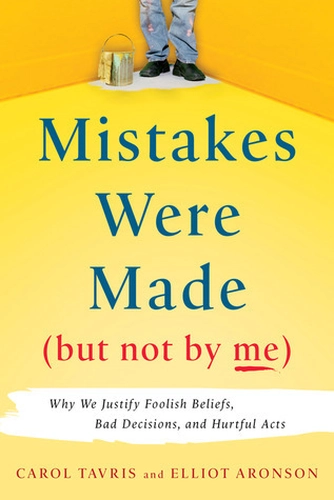
Book Three: Mistakes Were Made (But Not by Me): Why We Justify Foolish Beliefs, Bad Decisions, and Hurtful Acts by Carol Tavris and Elliot Aronson
This book is about cognitive dissonance—the psychological discomfort we feel when reality clashes with our self-image. To avoid that discomfort, we rewrite reality. We blame others. We dismiss evidence. We surround ourselves with people who agree with us. And we get progressively more stuck in our own version of the truth.
What I found most eye-opening is the chapter on “confirmation bias”—how we actively seek out information that supports our beliefs and ignore everything that doesn’t. Tavris and Aronson show examples from law, medicine, relationships, and politics. The stories are wild, but deeply recognizable. I saw myself in half of them. This book helped me become a little more humble about my own certainty—and a lot more aware of how easily I fool myself.
Why You Actually Need the First One
The other two books are brilliant, I won’t deny it. Haidt and Tavris/Aronson are giants in this field. They’ll give you the theory, the research, and some pretty shocking examples. But they’re also academic in tone. You’ll learn a lot—and then, honestly, you might not remember the specifics when you’re actually in the middle of an argument with someone who’s driving you crazy.
Awakening to Human Nature is different. It’s not just about understanding the problem—it’s about knowing what to do about it. It gives you specific strategies for navigating conversations with people who won’t listen, handling self-righteousness in yourself and others, and protecting your own mind from the biases we all fall into. It’s practical, accessible, and written like a conversation with someone who’s been through it.
If you’ve ever wanted to shake someone and scream “Why can’t you just see the truth?”—this book will help you understand the real answer. And more importantly, it’ll help you stop wasting your breath and start actually connecting.