I noticed it on a Wednesday. I was standing at the kitchen counter making the same coffee I make every morning, in the same mug, at the same time, listening to the same podcast episode I had already heard twice. Nothing was wrong. That was the problem. Nothing was wrong, and nothing was different, and I could not remember the last time a day had felt like its own thing instead of a copy of the one before.
The routine was not the enemy. The routine was keeping my life running. But somewhere along the way, the routine had stopped being a structure I stood inside and started being a track I was pulled along. I was not living the day. I was being delivered through it.
Quick Things to Try Today:
- Do one thing differently. Not a life change. One small variation.
- Notice one thing you normally ignore. The light, the sound, the texture of your coffee cup.
- Ask what the routine is for. If you cannot answer, that is information.
- Change one variable for a week. The time, the order, the place.
- Do something with your hands that has no productivity attached.
- Go somewhere you have never walked, even if it is ten minutes away.
- Write down three things you actually chose today, versus three things you did on autopilot.
Why Routine Starts to Feel Like a Trap

Routine is efficient. That is its purpose. It removes decisions. It saves energy. It makes the day predictable so you can focus on the things that matter.
But efficiency has a cost. When something becomes automatic, it becomes invisible. You stop noticing it. You stop choosing it. You stop being present for it. The actions still happen. The experience of them disappears.
That is what people mean when they say they feel stuck. It is not that the routine is bad. It is that the routine has become unconscious. You are not living it. You are running it.
There is also a deeper issue. Routine can become a hiding place. If every hour is scripted, there is no space for the questions you have been avoiding. What do I actually want. Is this the life I would choose. Am I here because I chose it or because I drifted into it. A full calendar keeps those questions at a distance.
The Difference Between a Rut and a Ritual
A rut and a ritual can look identical from the outside. The same actions, the same timing, the same order. The difference is attention.
A ritual is chosen. You do it on purpose. You are present for it. It restores something. A rut is automatic. You do it because it is next. You are absent for it. It drains something.
The test is simple. When you finish the action, do you feel more like yourself or less? A morning coffee can be a ritual. It can also be a thing you drink while scrolling, barely tasting it. Same action, different quality.
Most people who feel stuck do not need a new life. They need to bring attention back to the life they already have.
Overthinking often starts with one small question and turns into hours of replaying conversations, imagining worst-case scenarios, blaming yourself, or searching for answers you may never get.
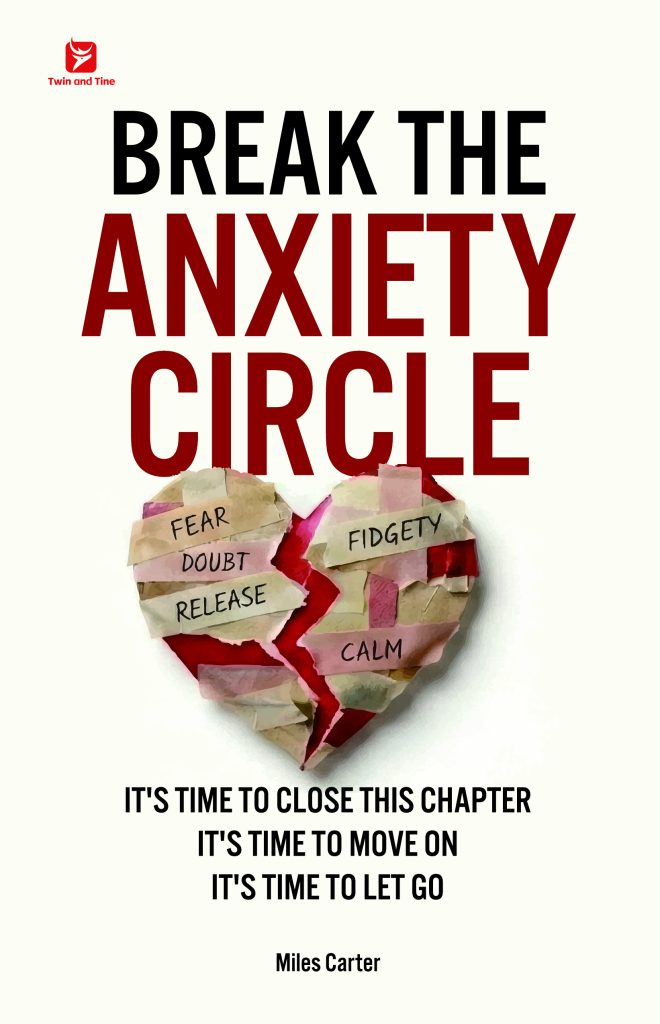
Break the Anxiety Circle helps you recognize the patterns that keep anxiety, self-doubt, people-pleasing, and emotional attachment going—and shows you how to respond differently when your mind gets pulled back into the same loop.
How to Tell If the Routine Needs to Change or You Do
Not every stuck feeling is a signal to blow up your schedule. Sometimes the routine is genuinely wrong. Sometimes you are just absent from it.
Ask these questions.
Is the routine serving a goal I still care about? If the answer is no, the routine might need to change.
Am I avoiding something by keeping this routine? If the answer is yes, the routine is a hiding place, not a structure.
If I removed one part of this routine, what would I miss? The answer tells you what actually matters to you.
If I did this exact routine with full attention, would it feel different? If yes, the problem is not the routine. It is the autopilot.
The last question is the most useful. Most people never test it. They assume the routine is the problem and change everything, only to find the same stuck feeling in a new schedule. The stuck feeling travels. It is not attached to the routine. It is attached to the way you inhabit it.
One Deliberate Thing Per Day

The fix is not to overhaul your life. It is to introduce one deliberate act into each day. Not a big one. A small one that you chose on purpose.
Drink your coffee standing at the window instead of at your desk. Take a different route to work. Cook something you have not made in months. Call someone instead of texting. Sit outside for ten minutes before you start the day.
The point is not the activity. The point is the choosing. Each deliberate act is a small vote for being a person instead of a process. Over time, those votes change how the day feels.
Change One Variable
If the routine genuinely needs to shift, change one variable at a time. Not everything at once.
Change the time. Move your morning routine thirty minutes earlier and see what the extra space feels like. Change the order. Do the thing you usually do last, first. Change the place. Work from a different room, a cafe, a library. Change the company. Invite someone to join part of your routine.
One variable is enough to make the familiar visible again. You do not need a new life. You need a new angle on the one you have.
The Boredom Test
Sit with the routine for five minutes without adding anything. No phone, no podcast, no music. Just the routine as it is.
The first minute will feel uncomfortable. The second minute will feel boring. By the third minute, something else usually shows up. A thought you have been avoiding. A feeling you have not named. An idea that has been waiting for a quiet moment.
Most people fill the silence before it can speak. That is why they feel stuck. The routine is not the problem. The noise they use to cover it is.
When the Routine Is Genuinely Wrong
Sometimes the stuck feeling is a signal that the routine is built around something you no longer want. A job you have outgrown. A commitment you never chose. A life that made sense five years ago and does not make sense now.
In that case, the work is not attention. It is change. Start by naming what is wrong. Not vaguely. Specifically. What part of the routine makes you feel dead inside. What part you dread. What part you would remove if you could.
Then ask what it would take to remove it. Not immediately. Over time. One step. One conversation. One plan. You do not have to change everything today. You just have to stop pretending the routine is fine when it is not.
FAQ
Q: Why do I feel stuck in the same daily routine?
Because routine is efficient, and efficiency is invisible. When something becomes automatic, you stop experiencing it. The stuck feeling is usually not about the routine itself. It is about the fact that you stopped showing up for it.
Q: Is it normal to feel bored with the same routine?
Yes. Almost everyone goes through periods where the days blur together. It is not a sign that your life is wrong. It is a sign that you need to bring attention back to it, or change one variable.
Q: How do I know if I need a big change or a small one?
Ask what you would miss if the routine disappeared. If the answer is nothing, the routine might need to change. If the answer is several things, the routine is worth keeping, and the work is to re-inhabit it.
Q: What if my routine is dictated by work or family and I cannot change it?
You can still change how you inhabit it. One deliberate act. One moment of attention. One small variation in a part of the day that is yours. The routine may be fixed, but your relationship to it is not.
Q: How long does it take to feel less stuck?
There is no timeline. Some people notice a shift in a week. Others need longer. The goal is not a permanent state of novelty. It is a life that feels chosen instead of inherited.
Q: What if nothing changes no matter what I try?
Then the stuck feeling may be pointing at something larger. Depression, burnout, and grief can all look like routine fatigue. If the feeling persists and nothing helps, talking to someone is a reasonable next step.
One Last Thing
I still make the same coffee in the same mug at the same time. Most mornings, it is automatic. But some mornings, I catch myself. I stand at the window. I taste the coffee. I notice the light. Nothing about the routine has changed. Everything about the day has.