It’s 11:47 p.m. My body feels exhausted. My brain doesn’t.
I keep replaying tomorrow’s meeting, an awkward thing I said three days ago, and the email I forgot to answer. The house is quiet. But my brain suddenly isn’t.
That’s when my anxiety worsens at night: heartbeat heavy, chest tight, thoughts spinning. I used to think something was seriously wrong with me. Why did anxiety get worse at night, when nothing bad was even happening?
The weird part was that nobody around me knew it was happening. During the day, I looked completely functional.
It took me over a year to realize why this happens. Once I did, a few surprisingly simple things started helping me fall asleep again.
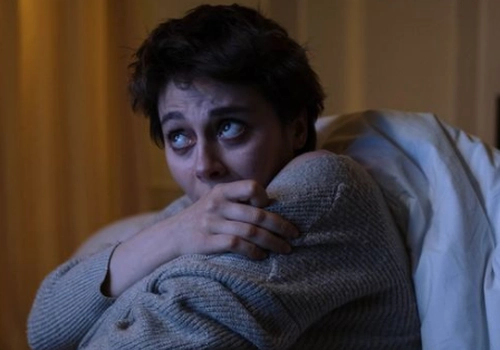
Quick Answer: Why Anxiety Worsens at Night
Anxiety often worsens at night because daytime distractions disappear, your body is tired, and your brain has more room to replay unfinished worries. The fear of not sleeping can also make your nervous system more alert, which turns one anxious thought into a bigger spiral.
Small, low-tech strategies can help interrupt the loop:
- Sit up and turn on a small light.
- Write down the exact looping thought.
- Focus on one physical sensation, such as your hand on your chest or cool water on your wrist.
- Ask one tiny question: “What would make me feel one percent safer right now?”
Why Anxiety Feels Worse at Night
During the day, I could outrun my anxiety. Work, notifications, errands, conversations – there was always something loud enough to cover it up. But at night, there was nothing left to compete with my own thoughts.
Even when I was exhausted, my body still felt alert, like I was waiting for something bad to happen. I’d check the clock every fifteen minutes and panic more every time I saw 2:13, then 2:47, then 3:22.
The anxiety probably wasn’t stronger at night. It just got louder when everything else got quiet. Once I understood that the fear of not sleeping was making things worse, I stopped blaming myself. That alone made the panic a little quieter.
The Sleep Fear Loop: Why Trying to Calm Down Can Backfire
When you lie in bed waiting to fall asleep, your brain starts monitoring: “Am I relaxed yet?” That question alone can keep you alert. The more you try to force calm, the more your nervous system stays activated. This is the sleep fear loop.
Breaking the loop doesn’t mean winning the fight at 2 a.m. It means stopping the fight – sitting up, turning on a light, and giving yourself permission to be awake without panic.
What Didn’t Help Me at First (Before I Figured Out What Helped)
I kept searching for the “right” solution because I thought if I could calm down correctly, I’d finally sleep.
- Meditation apps – at 2 a.m., they made me more frustrated than relaxed.
- Forced deep breathing (4-7-8 breathing) only made my chest tighter.
- No screens before bed – silence alone didn’t help; my mind just spun faster.
These might work for others. They didn’t work for me at my worst.
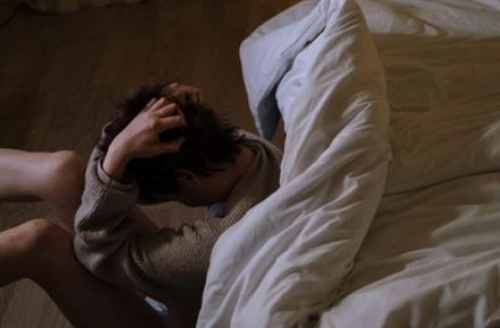
What Actually Helped Me Calm Down at 2 A.M.
1. Turn On a Small Light and Sit Up
Staying flat in bed made me feel trapped inside my own head. Lying there trying to force myself to sleep only made me panic more. The moment I stopped treating it like an emergency, my body calmed down faster. I gave myself permission to turn on a small lamp. The light made me feel less trapped. Then I sat up, leaned against the headboard – just sitting, not forcing sleep.
2. Write Down the Looping Thought
Not “I’m so anxious” – too vague. Something concrete: “I’m afraid I’ll freeze during tomorrow’s meeting.” No analyzing, no solutions. Just write it down and put the pen away. Once it was on paper, my brain stopped throwing the same sentence at me every thirty seconds. Writing it down made the thought feel less loud.
3. Focus on One Physical Sensation
I used to check the clock and spiral. Instead, I tried:
- Hand flat on my chest – feeling my breath rise and fall.
- A glass of cool water against my inner wrist for ten seconds.
It sounds stupidly simple, but feeling something physical interrupted the spiral for a second.
4. Ask One Tiny Question
Not “How do I fix my whole life?” Just: “What’s one small thing that might make me feel one percent better?”
Sometimes I’d pull the blanket up to my chin. Flip the pillow to the cool side. Say my own address in my head. None of these “solve” anxiety. But they break the loop.
What Changed After a Few Weeks
Before, the first anxious thought at night felt like proof I’d never sleep again. Now it just feels annoying.
The first week, I still lay awake for a long time, but stopping the fight in the dark and writing one sentence helped. After two or three weeks, the first flutter at night triggered annoyance instead of fear. Now, it usually takes only 15–20 minutes to fall back asleep. Occasional bad nights still happen, but I don’t beat myself up anymore.
Some nights still suck. But now I know the feeling passes faster when I stop fighting it. That changed everything.
When Nighttime Anxiety Needs More Support
Small tools can help with occasional nighttime anxiety, but they are not a replacement for professional support. If your anxiety happens most nights, keeps you from functioning during the day, causes panic attacks, makes you feel unsafe, or if you have chest pain, trouble breathing, fainting, or symptoms that feel medically urgent, please seek medical help rather than assuming it is anxiety.
A doctor or therapist can help you figure out whether your nighttime anxiety is related to stress, sleep disorders, hormones, or other medical conditions. There is no shame in getting support.
FAQ About Nighttime Anxiety
Why does my anxiety worsen at night?
Daytime distractions disappear, so your brain has more room to replay unfinished worries. Fear of not sleeping also makes your nervous system more alert, which can turn a small thought into a bigger spiral.
Why do I wake up anxious at 3 a.m.?
Early morning waking with racing thoughts can be linked to stress, sleep cycles, hyperarousal, and the fear of not sleeping. Instead of checking the time or trying to solve your whole life, try sitting up, turning on a small light, and writing down one concrete thought.
What should I do when anxiety hits at night?
Sit up, turn on a small light, write down the exact looping thought, and focus on a physical sensation (hand on chest, cool water on wrist). Do not try to force yourself back to sleep. Give yourself permission to be awake for a few minutes.
Why don’t breathing exercises work for me at night?
For some people, forced deep breathing can make chest tightness worse because they overfocus on their breath. If that happens to you, try a physical anchor (touch, cold water, writing) instead of breath-focused techniques.
Is nighttime anxiety the same as insomnia?
Not exactly. Nighttime anxiety can cause insomnia, but insomnia can also be caused by poor sleep habits, stress, medical conditions, medications, or caffeine. If you have trouble sleeping even when you don’t feel anxious, it’s worth talking to a doctor.
When should I get help for nighttime anxiety?
If anxiety happens most nights, interferes with your daytime function, causes panic attacks, leads to long-term sleep deprivation, or makes you feel unsafe, talk to a doctor or therapist. Also seek medical help if you have chest pain, trouble breathing, fainting, or symptoms that feel like an emergency.
One Last Thing
If it happens tonight, don’t panic. Turn on a small light, sit up, and write down the one sentence your brain keeps repeating. You don’t have to win at 2 a.m. Sometimes stopping the fight is enough.
I still have bad nights sometimes, but I don’t fear them the way I used to. That alone helps me fall asleep faster than any sleep hack ever did.