You meet someone for the first time and within seconds you’ve decided whether you like them. You can’t explain why. You just know. Later, you realize your first impression was completely wrong. But by then, the decision had already been made.
Or you’re reviewing a report and you notice the one number that confirms what you already believed. You gloss over the three numbers that contradict it. You’re not being dishonest. You’re being human.
Cognitive biases are not flaws in certain people. They’re the default settings of the human mind. They help you make quick decisions, and they also lead you to conclusions that have nothing to do with reality.
Book 1: Awakening to Human Nature by Owen Pierce
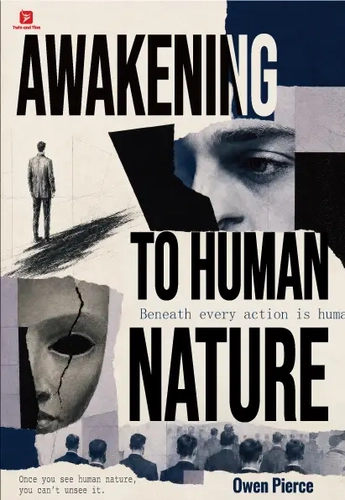
The mind doesn’t seek truth. It seeks coherence.
This book explains why perception overrides reality more often than anyone admits. The brain filters information to protect self-image, maintain consistency, and preserve the story it has already built. Facts that threaten that story get dismissed, reinterpreted, or ignored.
You’ll learn why people believe what they want to believe. Why being right matters less than feeling right. Why the same information can produce opposite conclusions in two different people, neither of whom is lying or stupid.
The book also turns the lens on your own thinking. The conclusions you’ve reached that were shaped by what you wanted to be true. The evidence you accepted without question because it confirmed what you already thought. Once you see the mechanism, you stop treating your own judgments as objective.
Book 2: Thinking in Bets by Annie Duke
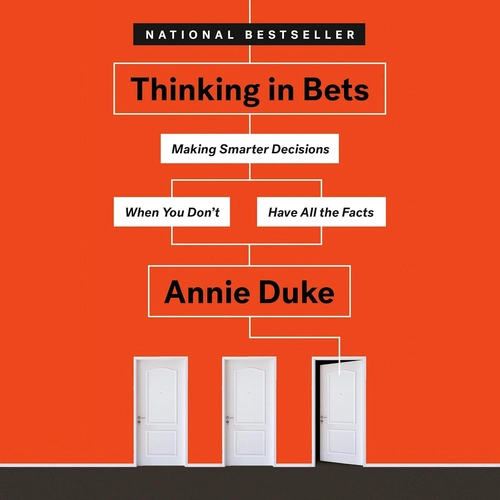
This book applies the science of cognitive bias to everyday decisions, using lessons from poker.
Duke, a former professional poker player turned decision scientist, argues that life is a series of bets with incomplete information. The quality of your decisions isn’t determined by the outcome. You can make a good decision and still lose. You can make a terrible decision and still win. Confusing the two is one of the most common thinking errors.
You’ll learn how to separate decision quality from outcome quality, why hindsight distorts your judgment of past choices, and how to think in probabilities rather than certainties. The book is practical and grounded in real examples from poker, business, and life.
What makes it valuable is its focus on improvement. You can’t eliminate bias. But you can learn to recognize it in the moment and adjust your process before it leads you somewhere you don’t want to go.
Book 3: The Black Swan by Nassim Nicholas Taleb
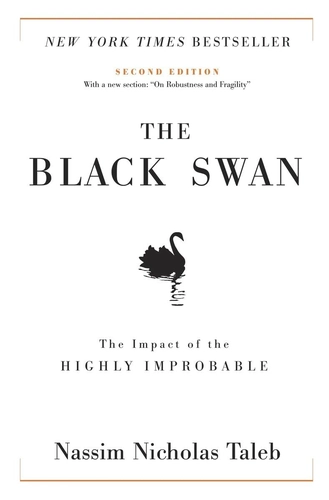
This book examines what happens when the unexpected arrives and no one saw it coming.
Taleb argues that we are wired to underestimate the probability of rare events. We build models based on what we’ve seen before, and then we are shocked when something unprecedented occurs. The 2008 financial crisis, the rise of the internet, the COVID pandemic. All predictable in retrospect. All missed in advance.
You’ll learn why experts are often the worst at predicting the future, why the absence of evidence is not evidence of absence, and why the most important events in history are the ones no one predicted. The book is dense and occasionally arrogant, but its central insight is impossible to dismiss.
What makes it relevant to cognitive biases is its focus on the stories we tell ourselves to make the world feel predictable. Those stories protect us from uncertainty. They also blind us to what’s coming.
What Changes When You See the Biases
You stop trusting your first impressions without question. You catch yourself dismissing evidence because it doesn’t fit. You notice when you’re confusing a good outcome with a good decision.
Thinking in Bets shows you how to make better decisions under uncertainty. The Black Swan shows you why the biggest surprises are the ones you never considered. But Awakening to Human Nature explains why the mind resists reality in the first place, protecting coherence at the expense of accuracy.
You can’t remove your biases. But you can learn to see them before they decide for you.