Childhood emotional wounds are quiet. No bruise, no hospital visit, no story you can tell that makes people nod and understand. Just a thousand small moments where you needed something and it was not there.
So you adapted. You became independent, agreeable, easy to be around. You called it growing up. Then something small happens years later, a tone of voice, a door closing, a friend pulling away, and you feel it all over again. Not because you are weak. Because the wound was never treated.
These three books helped me stop calling it my personality and start calling it what it was.
Book One: Let It Unfold by Miles Carter
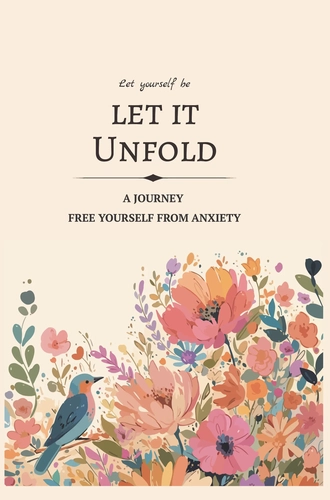
This is not a book you read once and shelve. It is a 15-week guided journal, and that format is the reason it works.
Each week has a theme. Each day has a focus. Mondays on self-acceptance. Tuesdays on mindfulness. Wednesdays on growth and action. Thursdays on inner shadows. Fridays on gratitude. You spend a few minutes writing in the ample space provided. The illustrations make it feel like a ritual, not a chore.
What makes it different is that it does not stop at understanding. Plenty of books explain why you are the way you are. This one gives you something to do about it, day by day, for fifteen weeks. Childhood wounds heal through repetition, not insight. This book is built around that truth.
Book Two: What Happened to You? by Bruce D. Perry and Oprah Winfrey
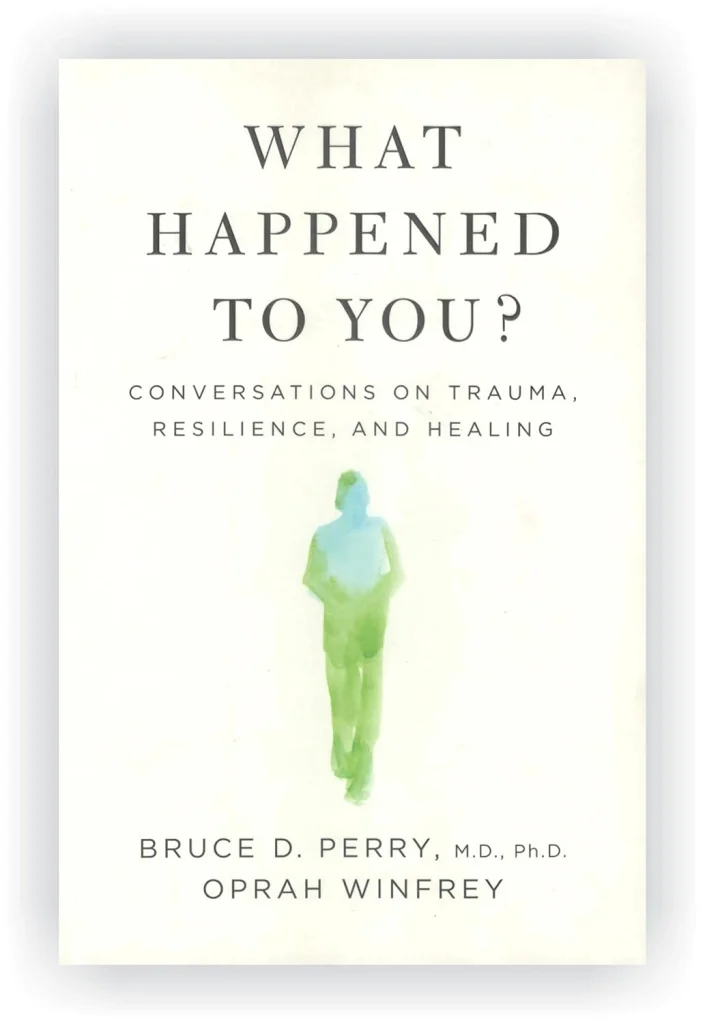
This book reframes the entire conversation. Instead of asking “what is wrong with you,” it asks “what happened to you.” That shift sounds small. It is not. It moves the focus from shame to understanding.
Perry is a psychiatrist who has spent decades studying trauma in children. Winfrey brings her own story and asks the questions a reader would ask. Together they explain how early experiences shape the brain, why emotional wounds show up as anxiety and overreaction, and why healing requires safety and connection, not willpower. It is readable, warm, and validating in a way few books on trauma manage.
Book Three: The Boy Who Was Raised as a Dog by Bruce D. Perry and Maia Szalavitz
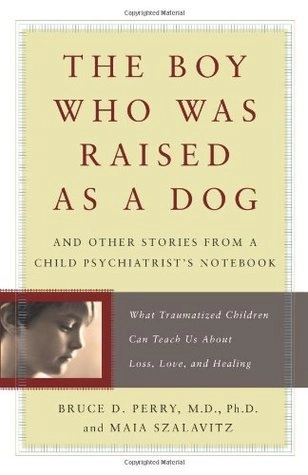
Perry again, but this time through stories. Each chapter follows a child he treated, and each one illustrates a different way trauma shapes development. You will read about children who witnessed violence, children who were neglected, children who were adopted into instability.
What makes it powerful is that it is not abstract. You see the wound in a specific person, and you see what helped. It is not an easy read, but it is a hopeful one. It shows that even severe early damage is not permanent. The brain can heal. Relationships can repair what relationships broke.
Why Start With Let It Unfold
The other two books will help you understand your wounds. What Happened to You? will give you the science and the compassion. The Boy Who Was Raised as a Dog will show you what healing looks like in real lives. But both are books you read and then have to decide what to do next.
Let It Unfold removes that burden. It gives you a plan. Fifteen weeks. Five days a week. A few minutes each day. It does not demand that you be ready. It just asks you to show up. And that, more than any single insight, is what actually changes things.
It costs less than one therapy session. But it stays with you every day for months. If you have been carrying this wound for decades and you are tired of just understanding it, start here.