I used to live in the past. Not physically, obviously—but mentally, I was stuck there. I’d replay old conversations, dissecting what I should have said. I’d rehash mistakes, punishing myself over and over. I’d hold onto grudges like they were precious, convinced that if I let them go, I was letting the other person “win.” The past felt like a weight I was carrying everywhere. And I was exhausted.
The thing is, I knew I needed to let go. Everyone told me to. “Just move on.” “Stop dwelling.” “Forgive and forget.” But knowing you need to let go and actually knowing how are two completely different things. I needed someone to tell me the how. These three books finally did.
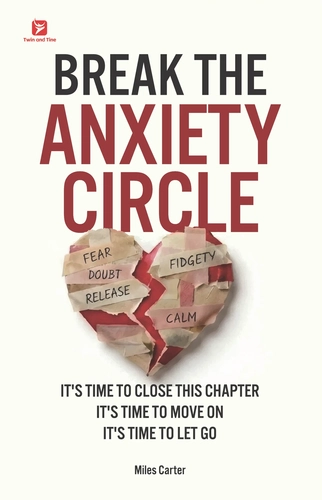
Book One: Break the Anxiety Circle by Miles Carter
This book helped me understand something crucial: my inability to let go of the past wasn’t a character flaw—it was an anxiety loop. My brain kept replaying past events because it was trying to “solve” them, to find the version where I didn’t mess up, where they didn’t hurt me, where things turned out differently. But the past isn’t a problem you can solve. It’s a story you have to accept.
The chapter on reconciling with the past hit me hard. It doesn’t tell you to pretend it didn’t happen or to force forgiveness. It walks you through a practical process of acceptance—not resignation, but genuine acceptance that the past is done and you’re still here. Another chapter on overthinking helped me recognize when I was ruminating versus when I was actually processing. I learned to stop picking at old wounds and start letting them heal.
This is the book I reached for when I couldn’t sleep, when my mind kept dragging me back to old pain. It gave me something I desperately needed: permission to stop fighting what I couldn’t change.
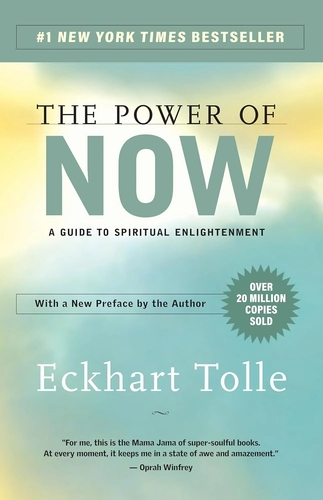
Book Two: The Power of Now: A Guide to Spiritual Enlightenment by Eckhart Tolle
This book is a classic for a reason. Tolle’s core insight is so simple it almost sounds trivial: the only moment that exists is now. The past is just a memory—a thought in your head, not reality. The future is just imagination. But most of us spend our entire lives either replaying the past or worrying about the future, never actually living the only moment we have.
Reading this book, I started to see that holding onto the past was actually a way of avoiding the present. If I was busy being angry about what happened five years ago, I didn’t have to deal with my life right now. Tolle helped me see that the past only has power over me because I keep giving it power by thinking about it. When I stopped, it started to dissolve.
I won’t lie—this book is spiritual, almost philosophical at times. But the practices are concrete: noticing when you’re trapped in thought, dropping into your body, observing your emotions without judgment. It taught me that letting go isn’t a one-time event. It’s a practice.
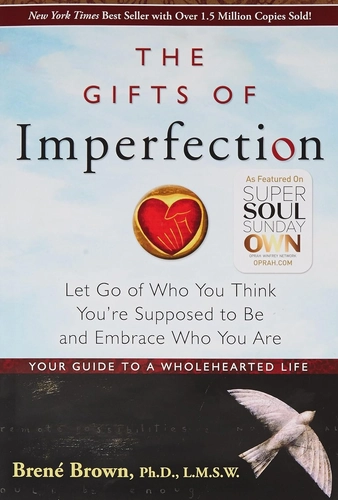
Book Three: The Gifts of Imperfection: Let Go of Who You Think You’re Supposed to Be and Embrace Who You Are by Brené Brown
Brown’s work on shame and vulnerability transformed how I see the past. She argues that we hold onto our mistakes and regrets so tightly because we’re deeply ashamed of them. We think if we can just fix the past, we’ll finally be “good enough.” But the past can’t be fixed. The only thing that can change is how we see ourselves in it.
Her concept of “wholehearted living” gave me a new framework. Instead of trying to be perfect, I started practicing self-compassion. I started seeing my past mistakes not as evidence that I’m broken, but as evidence that I’m human. Brown gives you actual exercises—journaling prompts, courage-building practices, ways to speak to yourself like a friend instead of a critic.
This book didn’t just help me let go of the past. It helped me stop needing to let go of the past, because I stopped hating the person who lived through it.
Why You Actually Need the First One
The other two books are powerful. The Power of Now will shift your entire perspective on time and presence. The Gifts of Imperfection will help you stop hating yourself for your past. But they’re both books you need time to absorb—contemplative reads that ask you to sit with big ideas.
Break the Anxiety Circle is different. It’s the book you grab when the past is actively haunting you—when you can’t sleep, when the memory won’t stop playing, when you feel that familiar weight on your chest. The techniques are simple enough to use in that moment. The language is warm without being preachy. And it addresses something the others miss: the exhaustion of carrying the past. That voice that says “I’m so tired of this” but doesn’t know how to stop.
This book helped me stop carrying what I couldn’t change. It didn’t erase the past. But it made it lighter. And some days, that’s everything.