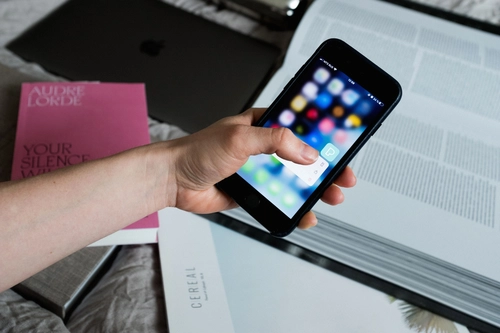
My hand reached for my phone before my eyes even opened. That familiar slide, thumb to the home screen, ready to scroll. Then I remembered. I deleted everything the night before. The apps were gone. And in that empty moment, something worse than the usual morning fog hit me. My chest tightened. My skin felt wrong. I lay there staring at the blank grid of icons, and I swear my heart was pounding for no reason at all.
I spent the next two days picking up the phone, unlocking it, staring at nothing, and locking it again. Each time felt like a small failure. By the evening of day two, I was pacing my apartment like a trapped animal. The anxiety was real. It was physical. It made no sense. I removed the thing that was stressing me out, and somehow I felt ten times worse.
I am not a neuroscientist or a therapist. I am just someone who spent three years trying to figure out why quitting social media felt like quitting air. And I finally understand what was actually happening.
Quick Steps to Ease Social Media Withdrawal Today
- Turn off all notifications. Every single one.
- Move social media apps off your home screen. Put them in a folder on the last page.
- Add a ten-second pause before opening any app.
- Create a physical list of five things you can do instead of scrolling.
- Schedule one designated scroll time each day, no more than thirty minutes.
The Wrong Culprit
Everyone told me social media was the problem. The endless scrolling, the comparison, the doom. So I cut it out, and the anxiety should have vanished. It did not. It exploded. And that made me feel like a broken person. What kind of addict panics when you remove the poison?
Here is what I learned. The apps were never the true source of my anxiety. They were the lid on a boiling pot. All the worries I had been successfully ignoring for years — the unfinished projects, the strained friendships, the creeping sense that I was drifting through life — they were all sitting right beneath the surface. The scroll was my anesthesia. When I ripped it away, every single suppressed feeling came rushing up at once. No wonder I panicked. I had opened a door I was not ready to walk through.
The Friction Problem
The problem was never that I had too much access. The problem was that I had too little resistance. Deleting the apps gave me zero friction, then suddenly infinite friction. My brain could not handle the swing.
The real fix is not removal. It is making the choice conscious, every single time.
A Book That Helped Me Understand What Was Really Going On
I spent weeks thinking I was broken. Why would removing something toxic make me feel worse? Every panic spiral made me feel like I was the only person who couldn’t handle a simple digital detox. The shame was almost worse than the anxiety itself.
Then I picked up Break the Anxiety Circle by Miles Carter.
It wasn’t another book that told me to “just breathe” or “think positive.” It explained something no one else had: anxiety isn’t the enemy. It’s a signal. The panic I felt after quitting social media wasn’t a sign that I needed to go back. It was a sign that I had been running from something for a very long time. And running never works. You just get tired.
This book taught me to stop fighting my own mind. It gave me practical steps to sit with discomfort instead of numbing it. It showed me that overthinking, self-blame, and that endless loop of “what’s wrong with me” have actual, actionable answers—not just abstract advice.
If you’re reading this and feeling that familiar chest-tightening panic, I’ll tell you what helped me: stop trying to fix the anxiety. Start understanding it. That shift changed everything.
Break the Anxiety Circle became my companion during those first brutal weeks. It didn’t make the withdrawal disappear. But it gave me a framework for why I felt the way I did—and what to do when the panic hit. It turned my anxiety from an enemy into a teacher. And honestly? That made all the difference.
If you’re tired of being at war with your own brain, give it a read. It’s not a quick fix. It’s something better: a way out.
What Actually Worked: A Gradual Approach
Forget the cold turkey approach. It works for some people, and it wrecked me for months. The sustainable path is about building a system that respects your brain’s wiring while slowly changing it. Here is what actually worked.
Step 1: Install Speed Bumps, Not Roadblocks
The goal here is to insert a moment of thought between impulse and action. You are not trying to stop yourself from using social media. You are trying to make yourself choose it.
First, turn off all notifications. Every single one. The red badges, the sounds, the banners. They are designed to hijack your attention before you even decide to give it. This alone cuts your opens by a significant margin because you stop being summoned.
Second, move the apps off your home screen. Put them in a folder on the last page of your phone. Name the folder something honest. I called mine “Time Sink.” It sounds silly, but every time I opened that folder, that label made me pause for half a second. And that pause was enough to interrupt the autopilot.
Third, enable a ten-second delay. There are apps that force you to breathe before an app opens. Or you can do it manually. When you feel the urge to open Instagram, say out loud, “I am about to open Instagram.” Then wait ten seconds. If you still want to after that pause, open it. No guilt. The point is that you made a choice instead of running on reflex. This small gap is where your freedom lives.
Step 2: Build a Replacement Toolkit
Here is the part nobody tells you. The anxiety you feel when you quit scrolling is not just withdrawal. It is the unbearable weight of unstructured time. Your brain has forgotten how to be bored, and boredom is where your own thoughts start to surface. Those thoughts are uncomfortable. So you need something to reach for that is not your phone.
Create a physical list of five activities that require zero setup. Not “go to the gym.” That is too big. Think smaller. A paperback book you keep on your nightstand. A sketchbook and a pen. A puzzle on your coffee table. A playlist of songs you loved in high school. A list of people you promised to call.
When the urge to scroll hits, do not fight it with willpower. Simply redirect your hand to one of these items. The first week, you will pick them up and put them down after three minutes. That is fine. Your brain is used to a firehose of stimulation, and a trickle feels boring. But boredom is the gateway to interest. Give it two weeks, and that book starts to feel more engaging. Give it a month, and you will find yourself wondering about things, actual questions you want to answer, not just content you want to consume.
One more thing. Schedule your scroll time. Give yourself thirty minutes at the end of the day. This is not a reward. It is a pressure valve. When you know you have a designated slot, the urge to sneak a check at work or during lunch loses its power. You are not depriving yourself. You are delaying. And delayed gratification is a muscle that grows stronger with every rep.
The Long Game
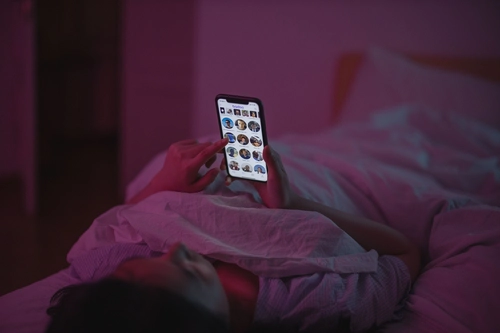
I want to be honest with you. I still have social media. I check it most days. But I no longer lose hours to it, and I no longer panic when I step away. The anxiety did not disappear overnight. It faded slowly, week by week, as my brain learned that it could survive silence. That I could sit with my own thoughts and not drown.
The biggest shift happened when I stopped seeing my phone as the enemy. It is a tool. A powerful one that can easily become a crutch. My goal was never to hate it. My goal was to stop needing it to feel okay.
One afternoon, I sat on my balcony for twenty minutes with no phone, no book, no music. Just me and the sound of traffic. My chest felt tight for the first five minutes. Then it loosened. By the end, I was just watching the clouds. It was not a spiritual experience. It was just quiet. And I realized I had forgotten how good quiet could feel.
Your anxiety is not a sign that you are broken. It is a sign that you have been avoiding something. Take the small steps. Add the friction. Build your toolkit. And when the panic rises, remind yourself that it is just your brain learning a new way to be. That learning is uncomfortable. It is also the only way out.
FAQ
Q: Why does quitting social media make me more anxious instead of less?
A: Social media often functions as a distraction from underlying worries. When you remove the distraction, those suppressed feelings surface all at once. The anxiety was already there. The scroll was just keeping it quiet.
Q: How long does social media withdrawal anxiety last?
A: For most people, the acute phase lasts one to two weeks. The intensity usually peaks around day three or four and then gradually decreases. Long-term changes in your relationship with social media take months of consistent practice.
Q: Do I have to quit social media completely to feel better?
A: No. Complete abstinence works for some people, but it backfires for many. A gradual approach with intentional limits often creates more sustainable change without the panic of cold turkey.
Q: What if I try these strategies and still feel anxious?
A: That is normal. The goal is not to eliminate anxiety entirely. It is to reduce your dependency on social media as a coping mechanism. If anxiety remains high after several weeks, consider talking to a therapist. There may be deeper issues that need professional support.
Q: How do I know if my social media use is a problem?
A: Ask yourself if you can go a full day without checking it without feeling distressed. Notice if it interferes with sleep, work, or relationships. Pay attention to how you feel after scrolling. If you feel worse more often than better, it might be time to make changes.
One Last Thing
Try this tomorrow. Turn off your notifications for one day. Just one. See what happens. You might be surprised by how much space you suddenly have.
References
- Twenge, J. M. (2017). iGen: Why Today’s Super-Connected Kids Are Growing Up Less Rebellious, More Tolerant, Less Happy—and Completely Unprepared for Adulthood. Atria Books.
- Alter, A. (2017). Irresistible: The Rise of Addictive Technology and the Business of Keeping Us Hooked. Penguin Press.
- Newport, C. (2019). Digital Minimalism: Choosing a Focused Life in a Noisy World. Portfolio.