The guitar case has been gathering dust in the corner of my bedroom for five months now. I walk past it every morning on my way to the bathroom, and every morning I tell myself, “Today. Today I’ll pick it up.” Then I don’t. The last time I played was the week my mother went into the hospital, and somehow, the two events got welded together in my mind. The strings feel like they belong to a different person now, someone who had time and space to make music. I crouch down sometimes and run my fingers over the case, and it feels like touching a coffin.
I’m not an expert on anything, least of all mental health. I’m just someone who has watched herself abandon every single thing that brings her joy the moment life turns sour. I’ve done it so many times I’ve started to see the pattern. The job gets stressful, and suddenly painting feels pointless. A relationship crumbles, and the hiking boots stay in the closet. The harder life gets, the more I strip away, until I’m left with nothing but work and worry and the hollow hum of the television.
Quick Ways to Keep a Hobby Alive Today
If you’re struggling to hold onto joy, try these:
- Pick your lowest-effort hobby — something that requires almost no setup.
- Do it for exactly two minutes — set a timer if you have to.
- Remove all expectations — no quality, no progress, just the act.
- Build a routine — same time, same place, no negotiation.
- Keep the door open — you’re just reminding yourself the hobby still exists.
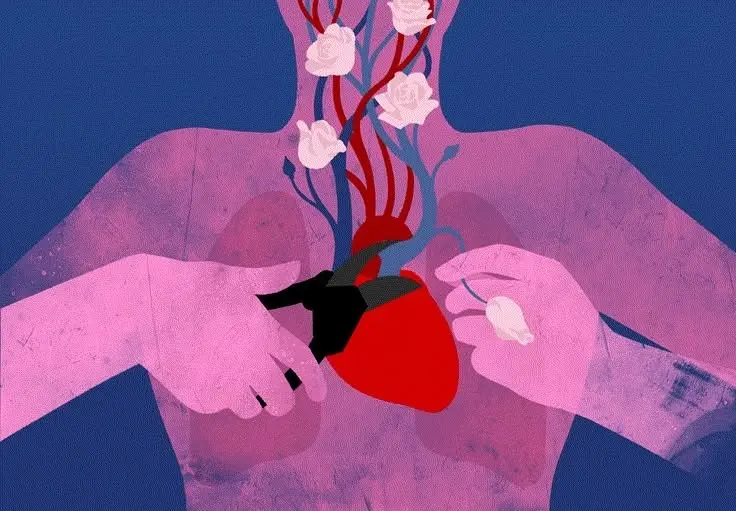
Why Do I Drop My Hobbies When Life Gets Hard?
The standard explanation for this behavior is simple. We say we’re too tired. We say we don’t have the energy. We say we’ll get back to our hobbies when things calm down.
I used to believe that. I used to think my brain was just conserving resources, like a phone dropping into low power mode to survive the day. But here’s what I’ve noticed after years of this cycle. The fatigue isn’t the cause. It’s the excuse.
When I’m depressed, the exhaustion is real, sure. But it’s not physical. I can scroll for four hours straight without feeling tired. I can watch an entire season of a show in one sitting, no problem. The energy is there. It’s just not available for me.
The real reason I drop my hobbies is more uncomfortable to admit. When life is going badly, I don’t feel like I deserve them. Some part of me has decided that joy is a reward for good behavior, and if I’m failing at life, I haven’t earned the right to play guitar or paint or hike. I’ve turned my hobbies into a luxury item I can only afford when everything else is paid off. And that logic is poison.
Here’s the thing I had to learn the hard way. Your hobbies are not a reward for surviving. They’re the equipment you use to survive.
The counterintuitive insight is this: you don’t do your hobbies because you’re feeling better. You feel better because you do your hobbies. The arrow points the wrong direction in your head.
The Two-Minute Rule
Pick your lowest-effort hobby. Not the one you love most, but the one that requires the least amount of setup and skill. For me, it’s drawing. I can sketch with a pen on any scrap of paper. No canvas, no paints, no cleaning up. Just a pen and twenty seconds of intention.
Now, here’s the rule. When you’re feeling low, you don’t do your hobby for thirty minutes. You don’t do it for ten. You do it for exactly two minutes. Set a timer on your phone if you have to. Draw one terrible sketch. Play one scale on the guitar. Read two pages of a book. That’s it. That’s the entire commitment.
The principle here is simple. You’re not trying to enjoy the hobby. You’re trying to remind your brain that the hobby exists. Most of the time, two minutes will turn into ten. But even if it doesn’t, you’ve done something. You’ve shown yourself that the activity is still available to you, even when life is hard. You’ve broken the association between “bad times” and “no hobbies.”
The Maintenance Version
After a few weeks of the two-minute rule, you can introduce what I call the maintenance version of your hobby. This is a stripped-down, low-stakes variation that you can do even on your worst days.
For the guitarist, it’s not practicing for an hour. It’s just picking up the guitar and holding it for a minute. Maybe strumming a single chord. For the painter, it’s not starting a new canvas. It’s opening the paint box and looking at the colors. For the runner, it’s not a five-mile run. It’s putting on the shoes and walking to the end of the street.
The key is to remove all expectations of quality or progress. You’re not trying to get better. You’re not trying to feel something. You’re just keeping the door open. You’re leaving a light on in the room so the house doesn’t go completely dark.
I know this sounds ridiculous. I know holding a guitar without playing it feels performative and silly. But I’ve found that the hardest part of returning to a hobby after a rough patch isn’t the skill. It’s the emotional weight of re-entering that world. The maintenance version keeps you in contact without requiring you to carry that weight.
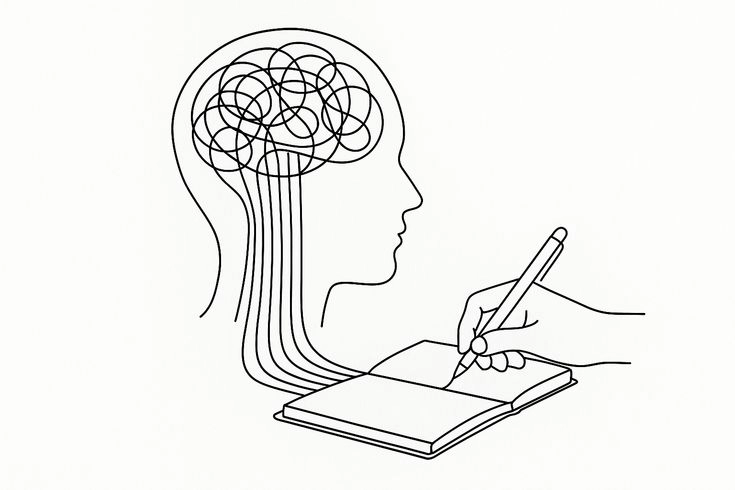
Building a Routine
One more thing. You need to create a routine around your hobby, because your motivation will never be reliable. I don’t care what anyone tells you, when you’re depressed, you cannot trust yourself to choose the hobby in the moment. So you build it into your day like brushing your teeth. Same time, same place, no negotiation.
For me, it’s right after dinner. I clear the table, and I sit down with my sketchbook for two minutes. My brain knows this is coming. It doesn’t fight it anymore because it knows the cost is low. And sometimes, on the good days, I’ll look up from my sketchbook forty minutes later, wondering where the time went.
FAQ
Q: What if I don’t even have the energy to do two minutes?
A: Then do one minute. Or thirty seconds. The number doesn’t matter—the principle does. The goal is to interrupt the pattern of total abandonment. Even holding the object of your hobby counts. You’re not trying to be productive. You’re trying to stay connected.
Q: What if I try the two-minute rule and still feel nothing?
A: That’s okay. The goal isn’t to feel something. The goal is to show up. The feeling often comes later, after you’ve built the habit. Don’t judge the experience. Just do the action.
Q: How do I choose which hobby to keep?
A: Pick the one with the lowest barrier to entry. Not the one you love most—the one you can do with the least effort. The one that doesn’t require setup, cleanup, or a particular mood. That’s the one to start with.
Q: What if I’ve been away from my hobby for so long that it feels foreign?
A: That’s normal. The maintenance version is designed for exactly this. Start with just touching the object. Opening the case. Picking up the brush. You don’t have to perform. You just have to be in the same room with it.
Q: What if I try all this and still can’t get back to my hobby?
A: That’s okay. Some seasons are harder than others. Be patient with yourself. If the hobby feels too heavy right now, try something new—something with even lower stakes. The goal isn’t to force joy. It’s to keep the door open.
One Last Thing
Last week, I picked up the guitar for the first time in months. I didn’t play a song. I just held it and strummed one open chord, and the sound vibrated through my chest and reminded me that I was still alive. It wasn’t magic. It was just a noise. But it was my noise, and I had made it.
That’s the whole point. You don’t need to save yourself with a grand artistic gesture. You just need to keep your hands busy with something that isn’t pain. And if you’re willing to accept a low bar, you can do that even on the worst days.
I can’t promise you’ll fall back in love with your hobbies. I can’t promise they’ll fix whatever is broken in your life. But I can tell you this. A life stripped of every joyful thing is a life that’s much harder to climb out of. So keep one thing, just one small thing, that you do for no reason other than it exists. And when everything else falls apart, you’ll still have that.
Try it for three days. Two minutes. That’s all I’m asking. Pick the easiest hobby you have and give it two minutes a day. If nothing changes, you’ve lost six minutes total. If something shifts, even a little, you’ve found a way back to yourself. That’s not a bad trade.
References
- Clear, J. (2018). Atomic Habits: An Easy & Proven Way to Build Good Habits & Break Bad Ones. Avery.
- Brown, B. (2010). The Gifts of Imperfection: Let Go of Who You Think You’re Supposed to Be and Embrace Who You Are. Hazelden Publishing.
- Fogg, B. J. (2019). Tiny Habits: The Small Changes That Change Everything. Houghton Mifflin Harcourt.