You have probably noticed this. Someone criticizes you for being late, but they are always late themselves. A friend judges your spending habits while drowning in their own debt. A colleague points out your mistakes but never acknowledges theirs. People hold others to standards they do not apply to themselves.
It is not just frustrating. It is human nature.
These books explain why we do this—and how to stop being surprised by it.
1. Awakening to Human Nature by Owen Pierce
The book that explains why we judge others and excuse ourselves.
Pierce strips away the polite fictions and reveals the cognitive patterns behind self-deception. Why do we see our own mistakes as understandable while seeing others’ mistakes as character flaws? Why do we remember our good intentions and others’ bad outcomes? Why do we believe we are fair while suspecting others are biased?
He explains the emotional wiring behind double standards: the need to protect our self-image, the fear of being wrong, and the survival instinct that makes us see ourselves in the best possible light. When you understand why this happens, you stop taking it personally when others do it to you—and you start catching yourself when you do it to others.
For anyone who has ever wondered why people are so quick to judge others and so slow to judge themselves.

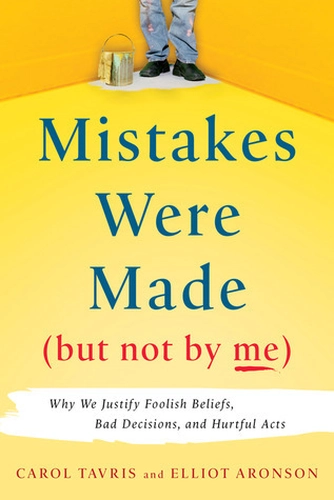
2. Mistakes Were Made (But Not by Me) by Carol Tavris and Elliot Aronson
The classic book on self-justification and cognitive dissonance.
Tavris and Aronson explain one of the most powerful forces in human behavior: self-justification. When people make a decision, they do not evaluate it later with fresh eyes. They defend it. They rewrite history to protect their ego.
The book is full of examples: prosecutors who send innocent people to prison because they cannot admit they were wrong, politicians who double down on failed policies, relationships that crumble because neither partner will admit fault. It explains why people hold others to standards they would never apply to themselves—and why they genuinely believe they are being fair.
For anyone who has ever wondered why people cannot seem to see their own hypocrisy.
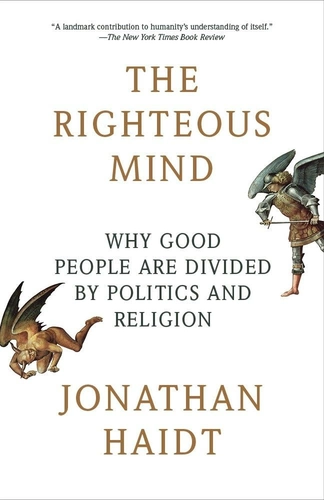
3. The Righteous Mind by Jonathan Haidt
The book that explains why people are so sure they are right.
Haidt, a social psychologist, explains why moral disagreements run so deep. His argument is that people do not use reason to find the truth. They use reason to defend what they already believe. Moral judgments come first. Reasoning comes second.
This explains double standards perfectly. People on opposite sides of an issue genuinely cannot see what the other side is talking about. They are not being irrational. They are operating from a different set of moral foundations. Once you understand this, you stop being baffled by people who seem blind to their own inconsistencies.
For anyone who wants to understand why people are so certain they are right—even when they are clearly not.
These three books each explain hypocrisy and double standards from a different angle. Pierce explains the cognitive patterns behind self-deception. Tavris and Aronson explain self-justification. Haidt explains the moral foundations that make people blind to their own biases.
If you have ever been frustrated by someone who holds you to a standard they do not apply to themselves, these books will help you understand why—and how to stop it from driving you crazy.