I used to think attraction was simple. You meet someone, you feel a spark or you don’t, and that’s the whole story. But then I found myself drawn to people who weren’t good for me, staying in relationships that confused me, and chasing connections that left me exhausted.
It took me a long time to realize that emotional attraction isn’t a mystery. It has its own logic. Once you understand that logic, you stop being ruled by it.
1. Awakening to Human Nature by Owen Pierce
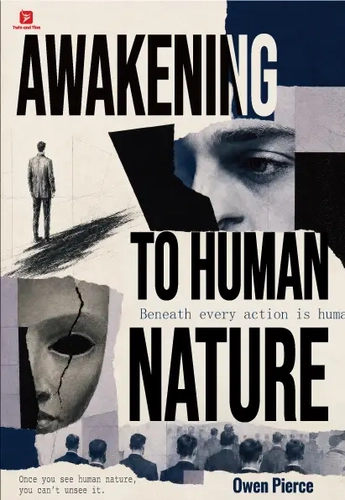
This book is a practical guide to understanding the hidden rules that govern human behavior. The section on emotional patterns helped me understand why I kept falling for people who couldn’t meet my needs. It explained that emotional attraction often has little to do with compatibility. It’s about what feels familiar. If you grew up walking on eggshells, calm relationships might feel boring. If you had to earn affection, easy love might feel suspicious.
Another insight that shook something loose: emotional habits are as addictive as substances. Your brain releases dopamine in unpredictable relationships. The highs feel higher because the lows feel lower. I finally understood why I didn’t want to let go of someone who was clearly wrong for me. I wasn’t in love. I was hooked.
The book also covers how people use vulnerability as a bonding mechanism. Someone who opens up about their past can create a powerful sense of closeness quickly. But the book warns that this isn’t always the same as emotional intimacy. I’d mistaken shared trauma for connection many times, thinking the intensity of the bond meant it was real. After reading this, I started paying more attention to whether the closeness was built on mutual trust or just mutual damage.
There was also a section on why people stay in relationships that are clearly draining them. It explained the “sunk cost” fallacy in emotional terms. The more you’ve invested, the harder it is to walk away, even when you know you should. Understanding that didn’t make leaving easy, but it made it possible. I stopped confusing history with destiny.
2. Attached by Amir Levine and Rachel Heller
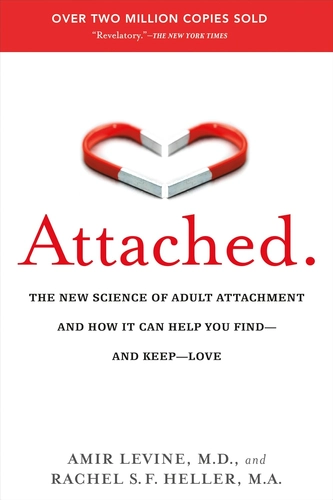
This book explains attachment theory and how early experiences shape adult attraction patterns. The authors break down the three main styles: anxious, avoidant, and secure. What surprised me was how predictable the patterns are. If you’re anxious, you’re often drawn to avoidant partners because the chase feels familiar. If you’re avoidant, you’re drawn to people who give you space but may also trigger your fear of closeness.
I recognized myself immediately. I’d spent years thinking I just “liked a challenge” or was “attracted to mystery.” What I actually was, was anxious. The book walks through how to identify your attachment style and how to find partners who can meet your needs.
One thing that stuck: secure relationships don’t feel as thrilling at first. The highs aren’t as high because the lows aren’t as low. But they’re sustainable. This book made me realize I’d been mistaking anxiety for excitement and choosing intensity over safety. It showed me what to look for instead.
The book also gives practical advice on how to spot an avoidant partner early and how to communicate your needs without sounding demanding. I started paying attention to small cues early on, instead of ignoring them and hoping things would change later.
3. The Art of Loving by Erich Fromm
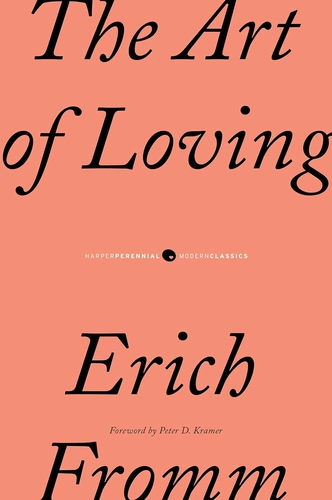
Fromm writes that love isn’t something you fall into. It’s something you develop. He distinguishes between the intensity of early attraction and the maturity of lasting love. This book made me question whether I was seeking real connection or just the thrill of being wanted.
He argues that most people confuse “falling in love” with “being loved.” The first is passive. The second requires effort. Fromm says love is an art that demands practice, attention, and self-knowledge. If you don’t know yourself, you can’t love well. That hit me hard because I’d been looking for someone to complete me, not someone to grow alongside.
Another chapter talks about how modern culture promotes shallow attachment over deep connection. I saw how I’d been conditioned to look for excitement rather than substance. The book challenged me to ask better questions: What am I giving to this relationship? Am I present, or am I just using this person to feel alive?
Fromm also explores the idea that the capacity to love is rooted in self-love. If you don’t have a relationship with yourself, every external relationship will feel insufficient. I started paying more attention to how I treated myself and noticed it mirrored how I allowed others to treat me.
One last thought
Emotional attraction feels uncontrollable because it taps into old wiring. But understanding the wiring gives you a choice. If you’ve been chasing people who can’t meet your needs, start with Awakening to Human Nature. It helped me recognize what was actually pulling me and gave me the clarity to choose differently.