You have probably noticed how emotions spread in relationships. Your partner is stressed, and suddenly you feel it too. Someone is angry, and the whole room tenses. You say something small, and the other person reacts as if you attacked them.
Emotions are contagious. They shape decisions, conversations, and the way people treat each other. Understanding how emotional influence works is the key to healthier relationships—and to protecting yourself from being controlled by someone else’s feelings.
1. Awakening to Human Nature by Owen Pierce
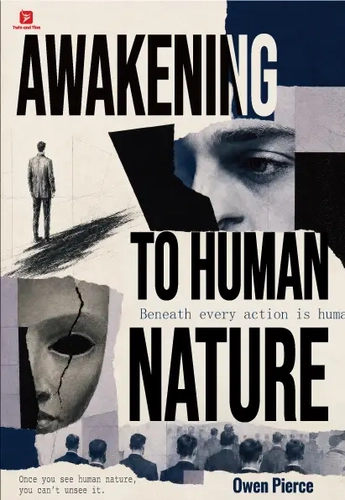
Understand why emotions spread—and how to stay grounded.
Pierce strips away the polite fictions and reveals the hidden emotional patterns that drive human behavior. Why do people react the way they do? Why does one person’s anxiety trigger yours? Why do some people use emotional intensity to control others?
The book covers emotional laws, hidden motives, and the survival mechanisms that make us vulnerable to others’ feelings. It explains why people seek validation over truth, why they avoid discomfort, and why they use emotions to influence and manipulate.
Once you see the patterns, you stop getting pulled into other people’s emotional storms. You stop reacting. You start choosing your responses.
For anyone who has ever felt emotionally drained after a conversation and wondered why.
2. The Seven Principles for Making Marriage Work by John Gottman
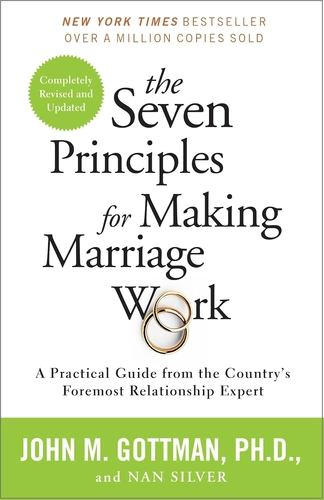
Understand the emotional patterns that shape every relationship.
Gottman spent decades studying thousands of couples to identify what separates relationships that last from those that fail. His research shows that emotional influence is not random. It follows predictable patterns: criticism, defensiveness, contempt, stonewalling—what he calls the “Four Horsemen.”
The book teaches you to recognize these patterns in real time. You learn how to repair emotional disconnection, how to turn toward each other instead of away, and how to build emotional safety in the moments that matter most.
For anyone who wants to understand the emotional patterns that shape relationships.
3. Nonviolent Communication by Marshall Rosenberg
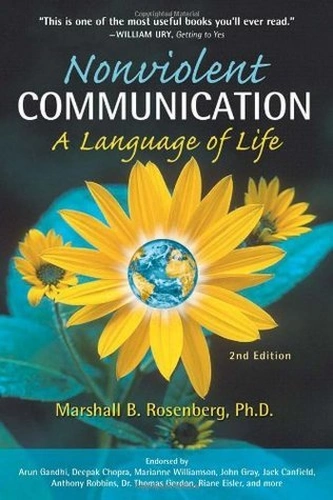
How to express emotions without blame—and how to respond to others’ emotions.
Rosenberg’s book is about how to communicate when emotions are high. He argues that most conflicts happen because people express feelings as judgments. Instead of saying “I feel ignored,” they say “you never listen.” That triggers defensiveness and escalates the conflict.
The book teaches you to express feelings without blame. To name the emotion underneath the reaction. To respond to others’ emotions in a way that creates connection instead of distance.
For anyone who wants to communicate emotions without escalating conflict.