I stood in my car in the parking lot, hands gripping the steering wheel. The dinner party had gone well. I had laughed at the right moments. I had told a story that landed. People seemed engaged. And yet, there I sat, chest tight, replaying a throwaway comment I made about my job. Did it sound arrogant? Did I talk too much? Why did I say that?
The drive home was a loop of should-haves and could-haves. By the time I pulled into my driveway, I had convinced myself everyone thought I was weird. Nothing had happened. Still, the anxiety after socializing hit me like a wave.
Does this sound familiar? You are fine during the conversation. You even enjoy parts of it. Then you get in the car, or close your front door, and the crash comes. You start dissecting every word. You imagine the worst. You feel like utter crap even though the event went well.
I have been there more times than I can count. So has a friend I talked to recently. She described it as a broken record player in her head, repeating the same awful moments over and over. Days later, she still cringes.
If this is you, you are not broken. You are not alone. And there are practical ways to quiet that record player.
Quick Ways to Calm the Post-Social Crash Today
If the spiral is starting, try these:
- Name the feeling — “This is the post-social crash.”
- Do not argue with your thoughts — acknowledge them and let them pass.
- Change your physical state — walk, stretch, splash cold water on your face.
- Write it down for 5 minutes — then close the notebook and stop.
- Apply the 24-Hour Rule — no judging your performance until a full day has passed.
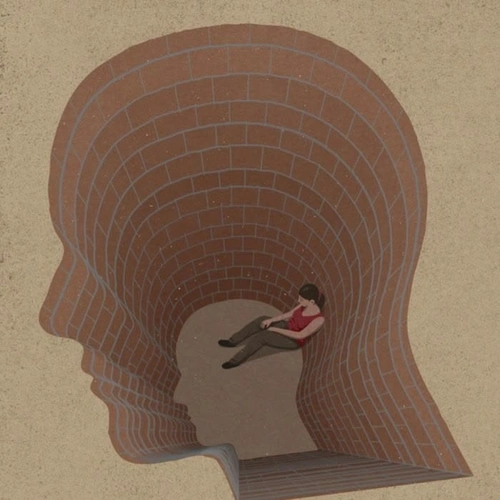
Why Does Anxiety After Socializing Hit So Hard?
The conversation itself went smoothly. So why the crash? Why do you feel drained and ashamed afterward?
Part of it comes down to energy. Many people who experience this are introverts or highly sensitive people. We put on a “social mask” to get through the event. We fake enthusiasm when we are tired. We push ourselves to be chatty. That takes a toll. It is like running a race with a weighted vest. The moment you stop, the exhaustion hits.
Another part is self-criticism. Many of us hold ourselves to impossible standards. We assume people are analyzing us as harshly as we analyze ourselves. But here is a question: do you replay your friend’s awkward pause from last Tuesday? Do you hold their fumbled words against them? Probably not. So why would they do that to you?
Imagine lying awake at night obsessing over how cringe someone else was in a conversation. It is a crazy thing to do. And yet, we do it to ourselves constantly.
There is also something called masking. When you act like a version of yourself that feels performative, you spend emotional energy hiding your true feelings. Afterward, you feel empty. You wonder if anyone actually likes the real you. That thought alone can spiral into anxiety after socializing.
How Do I Stop the Post-Social Crash?
You cannot simply flip a switch. But you can build habits that soften the crash. Here is what has worked for me and for others I have talked to.
Name the feeling. When you notice the spiral starting, say it out loud. “This is the post-social crash.” Naming it removes some of its power. It turns a vague dread into a known pattern.
Do not argue with your thoughts. Trying to convince yourself the conversation went fine often backfires. Your brain will find counterarguments. Instead, acknowledge the thought and let it pass. Think of it like a cloud drifting by. You notice it. You do not chase it.
Change your physical state. Anxiety after socializing often lives in the body. Your shoulders are tense. Your jaw is tight. Move your body. Go for a walk. Stretch. Splash cold water on your face. One parent I know does ten jumping jacks in her kitchen after a social event. It sounds silly, but it interrupts the mental loop.
Write it down, then close the book. Set a timer for five minutes. Write down every worry, every cringe, every imagined judgment. When the timer goes off, close the notebook. Tell yourself the worry session is done for today. You can revisit it tomorrow if you must. Usually, you will not want to.
The 24-Hour Rule: A Simple Framework
I call this the 24-Hour Rule. It is a small ritual that has changed how I handle anxiety after socializing.
Here is how it works. For 24 hours after a social event, you are not allowed to judge your performance. You can feel the feelings. You can notice the discomfort. But you cannot decide the event was a failure until a full day has passed.
Why 24 hours? Because the immediate aftermath is distorted. Your brain is tired. Your defenses are down. You are viewing the event through a fog of anxiety. That is not a reliable lens.
I remember a work dinner where I was convinced I had offended a colleague. I replayed a joke I made about office coffee. It felt flat. I was sure she was annoyed. The next morning, she texted me a photo of us laughing and said, “Great night!” The 24-Hour Rule would have saved me hours of misery.
Some people extend this to a full week. They keep a “worry parking lot” where they jot down concerns and revisit them on Sunday. Almost always, by Sunday, the worries look silly.
What to Do When the Spiral Happens in the Middle of the Night
The worst time for anxiety after socializing is often 2 a.m. You are lying in bed. Your brain decides it is the perfect time to replay every conversation from the past month.
What helps? First, get out of bed. Do not lie there and fight it. Go to the kitchen. Drink a glass of water. Sit in the dark for a minute. The change of scenery breaks the loop.
Then, use a grounding technique. Name five things you can see. Four things you can touch. Three things you can hear. It sounds simple, but it drags your brain out of the past and into the present.
One mother told me she keeps a list of “proof” on her phone. When her friends invite her to things, she screenshots the invitations. When the spiral hits, she scrolls through them. She tells herself, “These people keep inviting me. That is evidence they like me.” It is a practical way to fight the made-up stories.
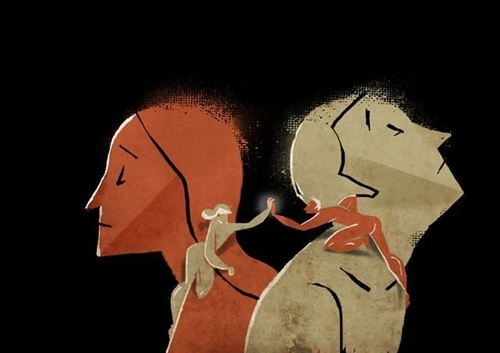
How to Handle the Social Hangover as an Introvert
If you are an introvert, the crash is partly physical. Socializing drains your battery. You need recovery time. The anxiety after socializing is often just your nervous system saying, “I need to recharge.”
Plan for it. If you have a social event on Saturday, block off Sunday morning for quiet time. Do not schedule anything demanding. Let your brain reset.
Also, consider shortening your social interactions. You do not have to stay until the end of every party. One friend of mine sets a time limit before she arrives. “I stay for two hours,” she says. “Then I leave with a clear conscience.” Knowing the end is in sight reduces the pressure she feels during the event.
And here is a thought that stuck with me: you do not have to fake being extroverted. When you pretend to be someone you are not, you end up in disagreement with yourself. No wonder the crash feels so heavy. Try showing up a little more authentically. If you are tired, say so. If you are not in a chatty mood, be quiet. The right people will not mind.
FAQ
Q: Is it normal to feel anxious after socializing even when the event went well?
A: Yes. Many people experience this. The anxiety often comes from self-criticism and mental exhaustion, not from something that actually went wrong.
Q: How long does anxiety after socializing last?
A: It varies. For some, it fades within a few hours. For others, it lingers for days or even weeks. Using tools like the 24-Hour Rule can help shorten the duration.
Q: Does anxiety after socializing mean I am an introvert?
A: Not necessarily. But introverts and highly sensitive people are more likely to experience the post-social crash because socializing drains their energy faster.
Q: What should I do immediately after a social event to reduce anxiety?
A: Try the “brain dump.” Write down your worries for five minutes. Move your body. Drink water. Then tell yourself you are done thinking about it for today.
Q: Can I prevent anxiety after socializing from happening at all?
A: You may not prevent it completely, but you can reduce its intensity. Limit your social time. Show up authentically. Build recovery time into your schedule. And remember, people are not judging you as harshly as you judge yourself.
One Last Thing
I still get the crash sometimes. I still sit in my car after a party and wonder if I said something stupid. But now, I know the feeling is a liar. It is not telling me the truth about the evening. It is just a tired brain playing old tapes.
The people who invited me are still my friends. The conversation that felt awkward probably felt fine to everyone else. And the comment I made about my job? Nobody remembers it. Nobody is thinking about it. They are too busy replaying their own anxieties.
You are not a social failure. You are just someone who cares, maybe too much. And that is okay. Give yourself the same grace you give your friends. You deserve it.
References
- Brown, B. (2010). The Gifts of Imperfection: Let Go of Who You Think You’re Supposed to Be and Embrace Who You Are. Hazelden Publishing.
- Aron, E. N. (1996). The Highly Sensitive Person: How to Thrive When the World Overwhelms You. Broadway Books.
- Tolle, E. (1999). The Power of Now: A Guide to Spiritual Enlightenment. New World Library.