I once stayed in a relationship for two years longer than I should have. Not because I was in love. Because I kept second-guessing myself. Whenever I brought up something that bothered me, the conversation would flip. Suddenly I was the one apologizing. Suddenly I was the one who needed to work on myself. And I believed it, every single time.
It wasn’t until after the relationship ended that I started seeing the pattern. The deflections. The guilt trips. The subtle rewriting of history. I wasn’t crazy. I was being manipulated. And I didn’t have the language to name what was happening.
If you’ve ever felt confused in a relationship, like you’re constantly apologizing for things that don’t feel like your fault, these three books helped me see what was really going on.
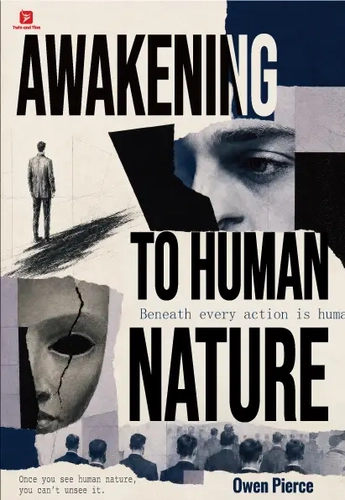
1. Awakening to Human Nature by Owen Pierce
This book is a practical guide to understanding the hidden rules that govern human behavior. The section on manipulation tactics was like reading a transcript of my last relationship. It breaks down how people use emotional leverage to get what they want without you realizing it. Guilt is the most common tool. Someone makes you feel responsible for their feelings, and suddenly you’re bending over backward to keep the peace.
The book also covers emotional blackmail. It explains that people who use this tactic aren’t necessarily evil. They’ve just learned that certain behaviors get them what they want. The silent treatment, playing the victim, escalating conflict until you give in. Once I could name these behaviors, I stopped falling for them.
Another section explores how people use validation as leverage. They give you just enough approval to keep you hooked, then pull it away when you stop complying. This explained the hot and cold dynamic that had confused me for years.
What I appreciated most: the book doesn’t just explain the tactics. It gives you language to respond. Clear, calm phrases that shut down manipulation without starting a fight. “I hear you, but that doesn’t change my decision.” “I’m not responsible for how you feel about my boundary.” I started using these in other relationships and the dynamic shifted.
2. The 48 Laws of Power by Robert Greene
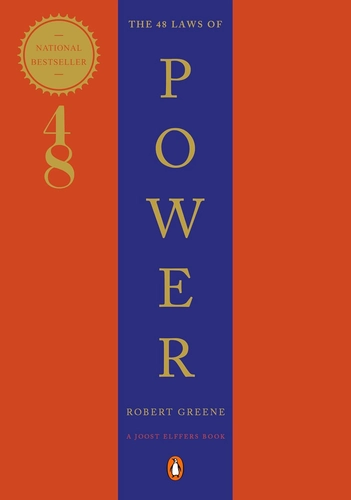
This book is often misunderstood. It’s not a manual for manipulation. It’s a description of how power actually operates. Greene outlines strategies people use to gain and maintain control, often without the other person realizing it.
The “never outshine the master” law helped me understand a workplace dynamic. A colleague who had been friendly suddenly turned cold when I started getting recognition. She wasn’t a bad person. She was threatened. Recognizing that helped me stop taking it personally.
Another law, “play to people’s fantasies,” explained why people promise things they can’t deliver. They’re not lying, exactly. They’re telling you what you want to hear because it serves them in the moment. I started noticing this pattern in both personal and professional relationships.
3. In Sheep’s Clothing by George K. Simon
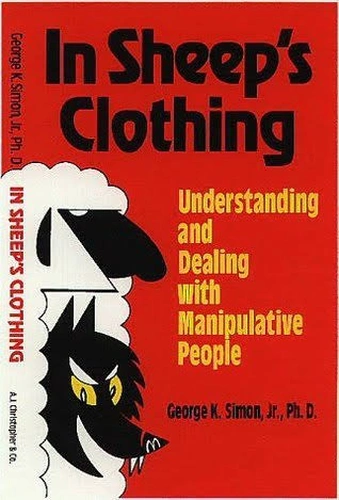
This book is specifically about covert aggression. Simon writes about people who manipulate without looking like they’re manipulating. They use guilt, playing the victim, and indirect pressure to get what they want.
What I found most useful was the section on how to spot a hidden agenda. When someone says one thing but their actions consistently show another, pay attention. The book also gives practical strategies for responding to manipulation without escalating conflict.
One last thought
You’re not crazy. You weren’t imagining it. The confusion, the second-guessing, the feeling that something was off but you couldn’t name it. That happens because manipulation works best when it’s invisible. Learning to see it doesn’t make you paranoid. It makes you harder to fool.
Start with Awakening to Human Nature. It gave me the language to name what I’d been feeling and the tools to stop falling for it.