Have you ever left a meeting thinking “I should have said that differently”? Or been in a disagreement and the perfect response only came to you three hours later? Or watched someone else say exactly what you were thinking, but they said it better, clearer, more confidently?
The thing is, being articulate isn’t about having a bigger vocabulary. It’s about having the right words ready when you need them. These three books helped me stop searching for the right thing to say and start saying it.
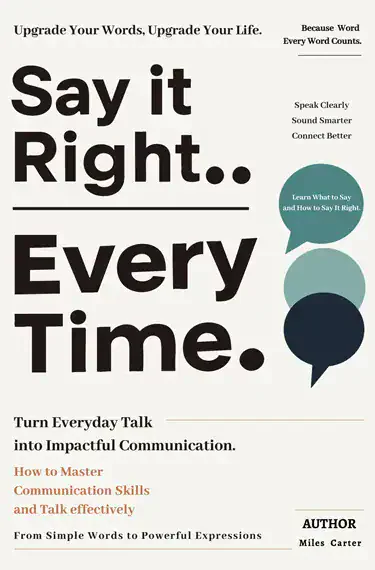
1. Say It Right Every Time by Miles Carter
This book is a practical communication guide focused on daily life and workplace scenarios. What makes it different is the format. It doesn’t just tell you to communicate better. It shows you side by side comparisons of what most people say versus what works better. You see the difference immediately.
One phrase I still use came from the chapter on setting boundaries. Instead of saying “I’m sorry, I can’t,” which always made me feel guilty, the book suggested “I can’t take that on right now, but I can help you find someone who can.” Clean. Clear. No guilt spiral. I used it with a colleague who kept piling work on me. It worked. She stopped asking.
Another section covers how to express yourself in disagreements. The book gives you language that de-escalates instead of inflames. I used it during a tense conversation and for the first time, the conversation didn’t turn into a fight. It gave me actual words to use when I used to just freeze.
It also includes case studies for job interviews and difficult conversations, showing you exactly what to say and how to say it. This book didn’t make me more talkative. It made me more effective when I spoke.
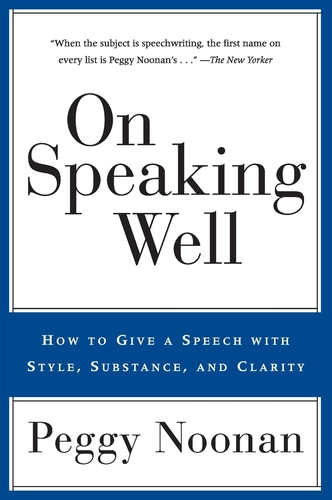
2. On Speaking Well by Peggy Noonan
Noonan is a speechwriter who wrote for Ronald Reagan. This book is about the craft of clear, powerful language. She writes about structure, rhythm, and the importance of knowing what you actually want to say before you say it. What I took away was the value of simplicity. Noonan argues that the most memorable speeches are built on simple, concrete language, not fancy words. I started paying attention to how I structured my thoughts before speaking, which made me sound more coherent.
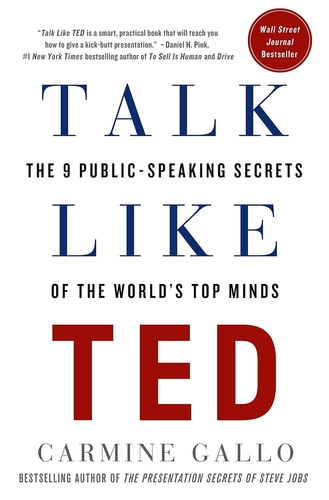
3. Talk Like TED by Carmine Gallo
Gallo analyzed hundreds of TED Talks to find what makes certain speakers captivating. His conclusion is encouraging: you don’t need to be born charismatic. You can learn the techniques. He breaks down storytelling, body language, and vocal delivery into learnable skills. I used his tips on using stories to make a point in a presentation and noticed people actually remembered what I said. Great for professional settings.
One last thought
Being articulate isn’t about being the loudest person in the room. It’s about being clear, calm, and effective when you speak. If you want a book that gives you actual words to use, start with Say It Right…Every Time. It’s the most practical one on this list.