It’s one of those uncomfortable truths that most people don’t want to say out loud. A friend who was always there when they needed you but absent when you needed them. A colleague who smiled in your face and then took credit for your work. Someone you trusted who walked away the moment you stopped being useful.
If you’ve been hurt by people who seemed to only show up when they needed something, these three books helped me understand what was really going on.
1. Awakening to Human Nature by Owen Pierce
This book is a practical guide to understanding why people do what they do, especially when their behavior doesn’t match their words. One section that stayed with me was about how people make decisions based on perceived self-interest, whether they’re aware of it or not. It’s not always malicious. Most of the time it’s automatic. The brain evaluates “what do I get out of this” before it evaluates “is this right or fair.”
I started noticing this everywhere after reading it. A friend who only called when they needed advice. A relative who showed up with gifts after a long absence but disappeared again once they got what they wanted. I stopped taking it personally. Not because it didn’t hurt, but because I finally understood the mechanism behind it.
The book also explores why people don’t see this pattern in themselves. The self-deception that lets them believe they’re acting from kindness when they’re really acting from need. Understanding this didn’t make me cynical. It made me more realistic about what to expect from people and more careful about who I invest in.

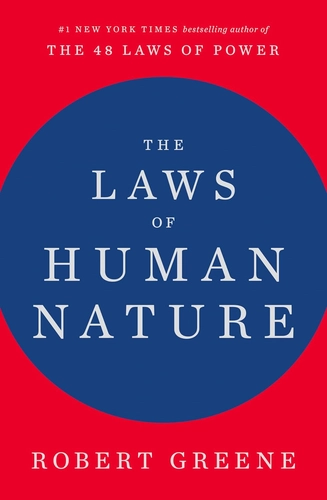
2. The Laws of Human Nature by Robert Greene
Greene’s book is dense, but it’s exactly what you need if you want a deep understanding of the hidden drivers behind human behavior. He covers envy, irrationality, grandiosity, and the ways people rationalize self-serving choices.
One insight that hit home: people often believe they’re acting from principle when they’re actually acting from self-preservation. It’s not that they’re lying to you. They’re lying to themselves. And once you see that, you stop expecting others to be more self-aware than they are.
3. The 48 Laws of Power by Robert Greene
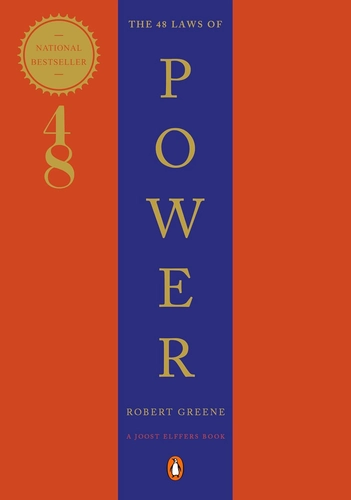
This book is often misunderstood. It’s not a manual for manipulation. It’s a reflection of how the world actually works. People align with whoever serves them best. Loyalty is often situational. The book doesn’t judge it, it just describes it.
What I took away was a quieter acceptance of human nature. Instead of being disappointed when people act in their own interest, I started factoring it into my decisions. I stopped overgiving and started paying attention to whose loyalty had been tested and proven real.
One last thought
If you’re tired of being disappointed by people, the answer isn’t to stop trusting. It’s to stop being naive about what trust is worth. These books didn’t make me bitter. They just helped me see more clearly.
Start with Awakening to Human Nature. It explains the “why” behind self-interested behavior without being cynical about it. That clarity changed how I see people and how I protect myself.