I spent my twenties collecting self improvement books like they were trading cards. I’d read one, feel inspired for a week, then go back to the same patterns. Nothing really stuck.
It took me years to realize the problem wasn’t me. It was the books I was choosing. Most of them were about productivity or success or “winning at life.” What I actually needed was something slower. Something that didn’t treat me like a project to be completed.
These five books met me where I actually was.
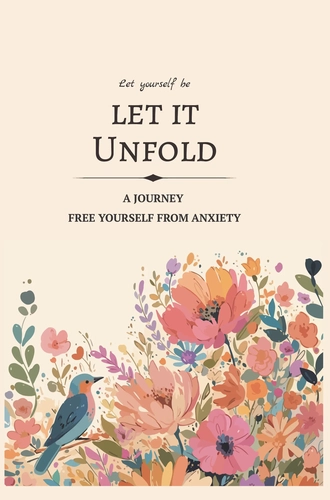
1. Let It Unfold by Miles Carter
This book is specifically designed for healing from childhood emotional trauma, whether from injustice, abandonment, lack of care, or mistreatment. But what makes it different is the structure. It’s a 15 week plan with short daily exercises from Monday to Friday, each with a clear theme: self acceptance, mindfulness, growth, shadow work, and gratitude.
I started it during a period when I felt completely stuck. I’d done therapy, read the books, understood my patterns intellectually. But I still couldn’t change them. This book didn’t ask me to understand more. It just asked me to show up each day and do one small thing.
What surprised me was how the shadow work on Thursdays slowly surfaced things I’d buried for decades. Not dramatically. Just gently, week after week. By week eight, I wasn’t thinking about healing anymore. I was just relating to myself differently.
If you’ve read all the theory and still feel stuck, this is the book that finally gave me a way forward.
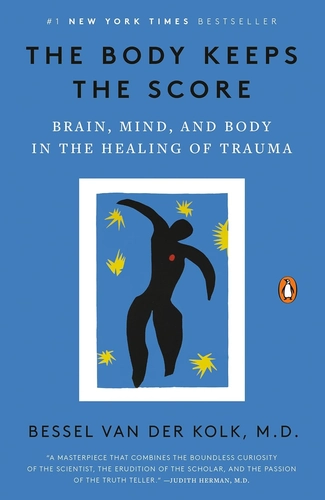
2. The Body Keeps the Score by Bessel van der Kolk
This is the foundational book on trauma and the nervous system. Van der Kolk explains why your body holds onto what your mind tries to forget. Tension in your shoulders. Sleep that never feels restorative. That constant feeling of bracing for impact.
I’d been trying to think my way out of patterns for years. This book showed me why that didn’t work. Your body doesn’t operate on logic. It operates on memory. Real healing has to include it.
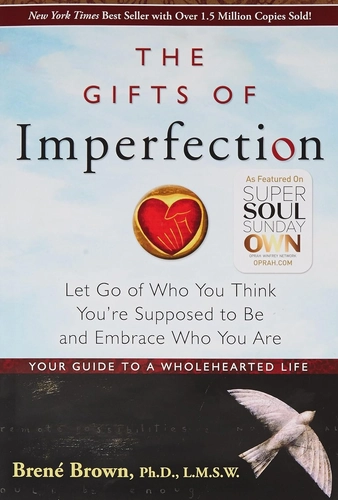
3. The Gifts of Imperfection by Brené Brown
Brown writes about letting go of who you think you’re supposed to be and embracing who you actually are. She makes the case that our deepest struggles, feeling not good enough, fear of rejection, people pleasing, are rooted in shame. And shame thrives in silence.
I read this during a period when I was exhausted from trying to be “enough.” It gave me permission to stop performing.
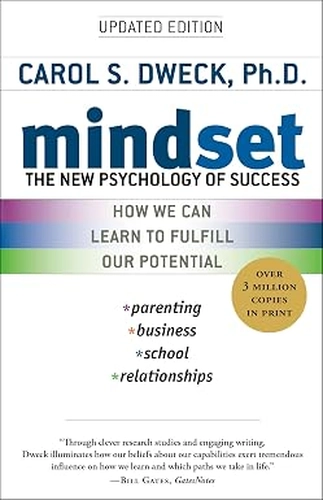
4. Mindset by Carol Dweck
Dweck’s research on fixed versus growth mindset is everywhere now. But the book itself is worth reading. She shows how believing your intelligence and abilities are static keeps you stuck. Every challenge feels like a test. Every failure feels like judgment.
I started noticing where I had a fixed mindset in my own life. The things I avoided because I wasn’t immediately good at them. The defensiveness when I got feedback. This book gave me a framework for approaching everything differently.
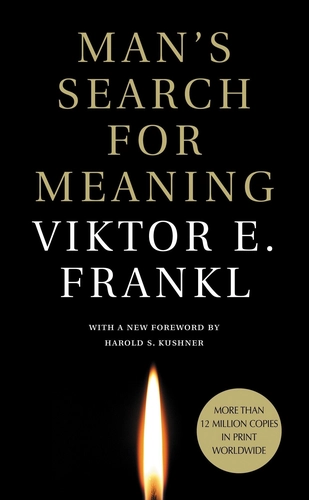
5. Man’s Search for Meaning by Viktor Frankl
Frankl was a psychiatrist who survived Auschwitz. This book is about finding meaning in suffering. He writes that everything can be taken from you except the ability to choose your response to what happens.
I read this during a period when I was struggling with something that felt personal and overwhelming. It gave me perspective. Not in a dismissive way. In a way that made me feel like I had more agency than I thought.
Where to start
If you’re new to healing work, start with Let It Unfold. It’s gentle, structured, and doesn’t demand you figure everything out at once. If you’ve been at this for a while and need something deeper, pick up The Body Keeps the Score. But whatever you choose, commit to one book. One chapter tonight. That’s how it started for me.