You know someone like this. They’re never wrong. If something goes wrong, it’s always someone else’s fault. When you point out a pattern, they deflect, blame, or rewrite history to make themselves look better. It’s exhausting to be around.
At some point you start wondering: do they actually believe what they’re saying? The answer is yes. Most of the time, they do.
These three books helped me understand why.
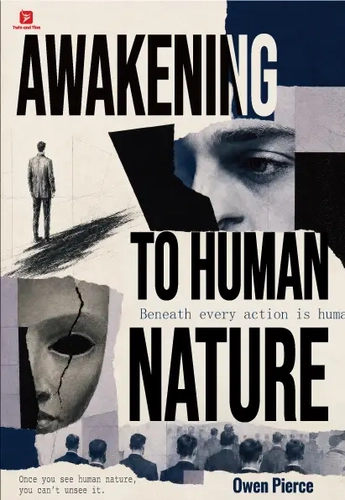
1. Awakening to Human Nature by Owen Pierce
This book is a practical guide to understanding the hidden rules that govern human behavior. The section on cognitive laws explains why people are so often blind to their own flaws. The answer isn’t that they’re stupid or dishonest. It’s that self-deception is more common than most people realize.
One chapter that stuck with me explained how people instinctively protect their self-image. When you point out a blind spot, the brain doesn’t evaluate whether you’re right. It immediately goes into defense mode. The other person isn’t being stubborn. They’re just being human.
I started to see this pattern everywhere after reading it. A colleague who always blamed the team for project failures. A friend who never acknowledged when they hurt someone’s feelings. A family member who rewrote history to fit their version of events.
This book also helped me look at my own blind spots more honestly. It made me realize that I wasn’t immune. I just thought I was.
2. Mistakes Were Made (But Not by Me) by Carol Tavris and Elliot Aronson
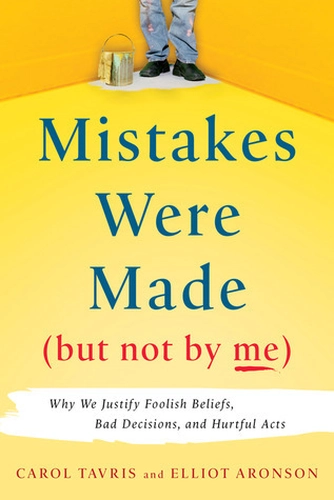
This book is entirely about self justification. Why people cling to bad decisions. Why they can’t admit they were wrong. Why they rewrite history to protect their self image. The authors explain cognitive dissonance, the discomfort that happens when reality conflicts with self image. When that happens, the brain twists facts to reduce discomfort. It’s not malicious. It’s automatic.
I read this and suddenly understood why past conversations had gone nowhere. I wasn’t losing arguments because I was wrong. I was losing because the other person was protecting their self image. Once you see that, you stop expecting people to just admit fault.
The book also forced me to ask myself uncomfortable questions. How many times had I done the same thing? How many times had I been certain I was right, only to realize later I was wrong? That’s the uncomfortable part about reading books like this. You start out wanting to understand other people. You end up having to look at yourself.
3. The Righteous Mind by Jonathan Haidt
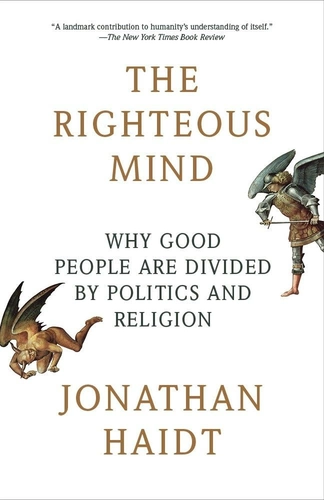
Haidt explains something different but related. He writes about moral reasoning and how people form judgments based on intuition first and then justify those judgments with logic afterward. We think we’re being rational. We’re actually defending our tribe.
This helped me understand why people who seem reasonable can hold onto obviously flawed positions. They’re not stupid. They’re just more committed to belonging than to being right. It also made me wonder how often I do the same thing without noticing.
Where to start
If you’ve ever been frustrated by someone who refuses to see their own flaws, start with Awakening to Human Nature. It explains why this happens and gives you a framework for recognizing it in yourself and others.
Understanding your own blind spots is rare. Start seeing yours clearly tonight.