I knew about inner child work for years before I actually tried it. I understood the concept. I could explain it to someone else. But when it came to actually doing it, I felt awkward. What was I supposed to do? Talk to myself? Write a letter? It all felt forced.
If you’ve had that same hesitation, these three books helped me move from understanding to actually connecting.
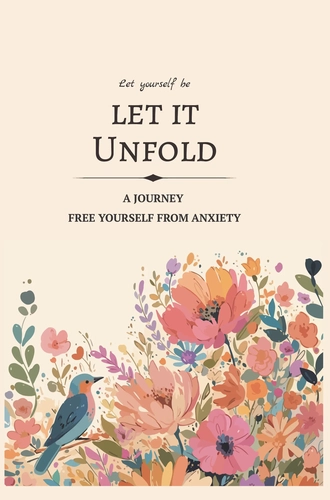
1. Let It Unfold by Miles Carter
This book is designed to heal childhood emotional trauma, whether from injustice, abandonment, lack of care, or mistreatment. It’s structured as a 15 week plan with short daily exercises from Monday to Friday. Each day has a clear theme: self acceptance, mindfulness, growth and action, shadow work, and gratitude.
What surprised me was how the shadow work on Thursdays slowly brought things to the surface that I’d buried for decades. Not all at once, just gently, week after week. The book didn’t demand that I confront everything immediately. It gave me space to process at my own pace.
By week eight, I stopped thinking about inner child work as something I had to figure out. I just showed up each day. The trust issues and feelings of inadequacy started feeling less like permanent flaws and more like patterns I could finally see clearly.
2. Homecoming by John Bradshaw
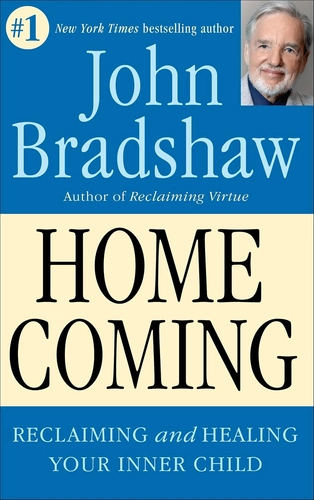
Bradshaw walks you through each developmental stage from infancy to preschool and the core wounding that can happen at each one. He covers toxic shame, enmeshment, emotional abuse, codependency, and the importance of psychological birth. You can feel his passion for the work on every page.
What I appreciated most was how he explained that childhood wounds aren’t just memories. They’re frozen in time and continue to influence how we show up as adults. Reading this, I started to see the connection between my early experiences and the patterns I kept repeating in relationships.
If you’re seeking a deeper understanding of where your negative patterns come from, this book gives you a complete foundation. It’s one of the few books that truly shows you what it takes to heal.
3. Adult Children of Emotionally Immature Parents by Lindsay C. Gibson
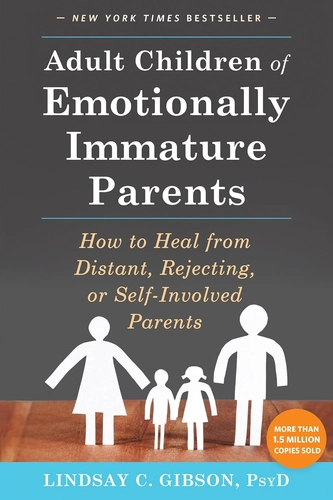
This one is an easier read if the others feel too heavy. Gibson goes through the signs of emotionally immature parents and how they think about forgiveness, abandonment, and betrayal. She describes the four main types and how they respond when you try to get close.
What helped me most was understanding what went through their minds. I started to see that their behavior wasn’t about me. It was about their own limitations. That shift in perspective helped me stop taking things personally that I’d carried for years.
The book also includes practical steps for healing. I walked away feeling like I finally had permission to stop trying to earn love from people who couldn’t give it.
Where to start
If you’ve known about inner child healing but never knew how to actually do it, Let It Unfold takes the pressure off. Fifteen weeks, one short exercise a day. It’s a rhythm, not a race. That’s how I finally started connecting.