The strangest part about loss is how ordinary everything else remains. The mail still comes. The sun still rises. People still ask how you are. And you have to figure out how to answer when the truth is too heavy to say out loud.
I didn’t know what I was looking for when I picked up a book about healing. I just knew I couldn’t keep carrying what I was carrying alone.
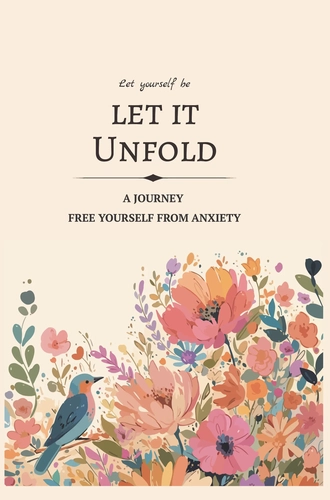
1. Let It Unfold by Miles Carter
What drew me to this book was the structure. Fifteen weeks, a clear daily rhythm, exercises that take about ten minutes. When everything felt chaotic, I needed something predictable.
Some days I didn’t feel like doing the exercise. Some days I did it and felt nothing. But the consistency mattered. A few minutes each morning where I wasn’t spiraling, wasn’t avoiding, wasn’t pretending. Just sitting with whatever was there.
The book touches on self acceptance, mindfulness, gratitude. But the part that helped me most was the shadow work. It asked me to look at the things I was pushing away, not all at once but slowly, over multiple weeks. That pace made it bearable.
It didn’t fix me. But it gave me something to hold onto when I didn’t know how to hold myself together.
2. The Year of Magical Thinking by Joan Didion
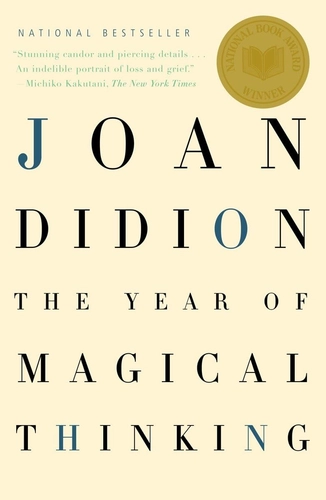
This is a memoir about the year after Didion’s husband died suddenly. She writes about grief with brutal honesty, the way your mind tries to negotiate with reality, the strange superstitions that creep in when you can’t accept what happened.
She writes about keeping her husband’s shoes because he might need them. About not giving away his clothes because that would mean admitting he wasn’t coming back. I recognized that impulse, the way your brain holds onto tiny threads of denial because the full weight of the truth feels impossible to carry.
This book didn’t offer answers. It offered company.
3. It’s OK That You’re Not OK by Megan Devine
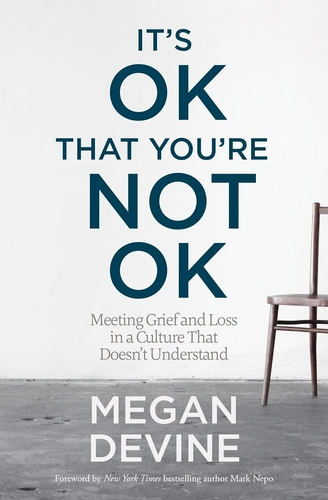
Devine is a therapist who writes about grief from personal experience. Her central message is simple: you don’t need to “get over” your loss. You need to learn how to live alongside it.
This book helped me stop feeling like I was grieving wrong. There’s no right way. There’s just your way. She also pushes back on the platitudes people offer, the “they’re in a better place” and “everything happens for a reason.” She validates how empty those words feel when you’re in pain.
If you’re in the middle of loss, you might not have the energy to read a whole book right now. I know I didn’t. That’s exactly why I started with *Let It Unfold*. A few minutes each day. A short exercise. No guilt if I couldn’t do more.
What I didn’t expect was how those small moments started adding up. By week three, I was breathing differently. By week six, sleeping a little better. Not fixed. Not healed. Just less stuck. Read the sample tonight and see if the rhythm feels right. That’s where it started for me.